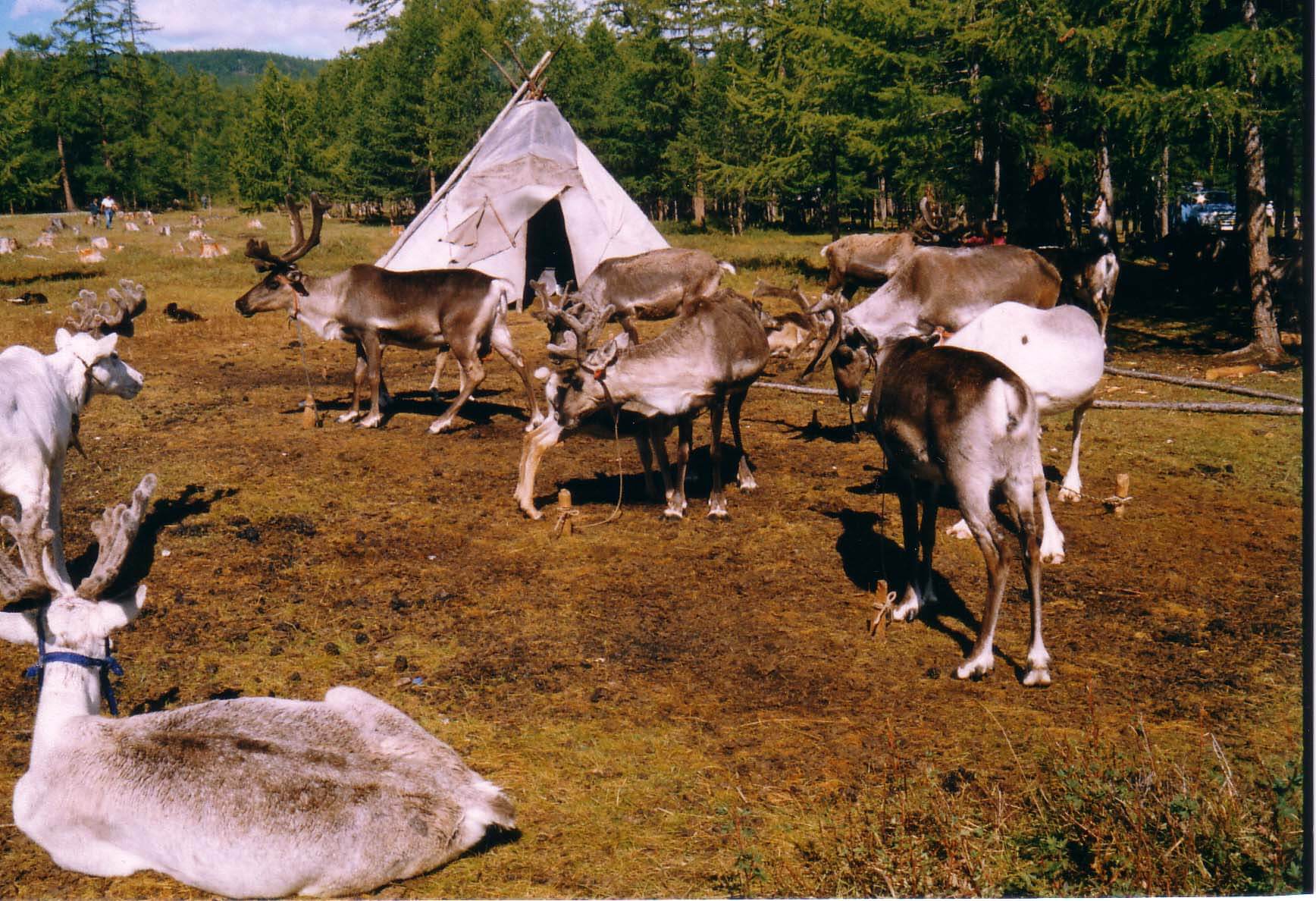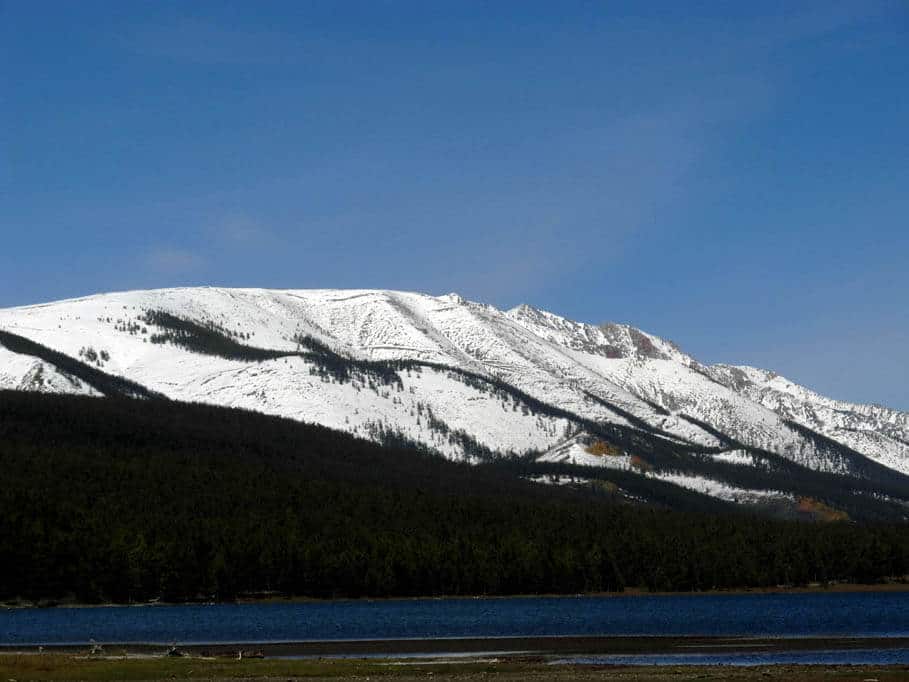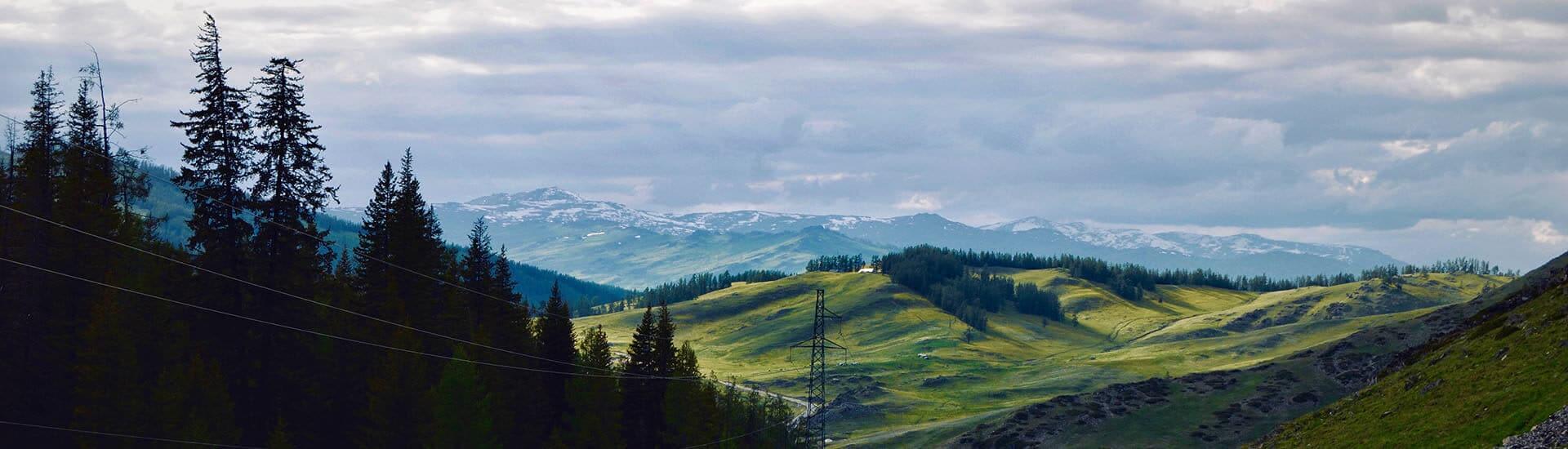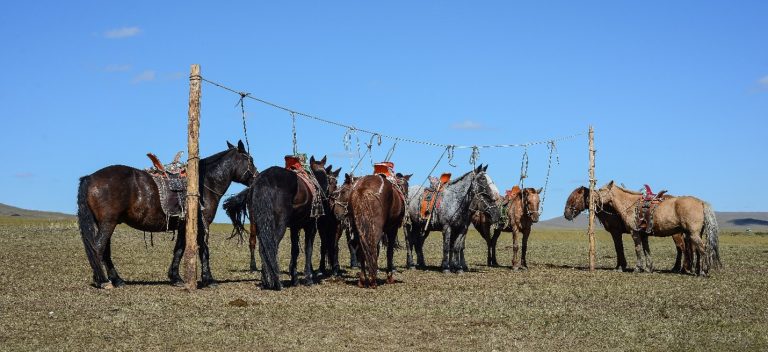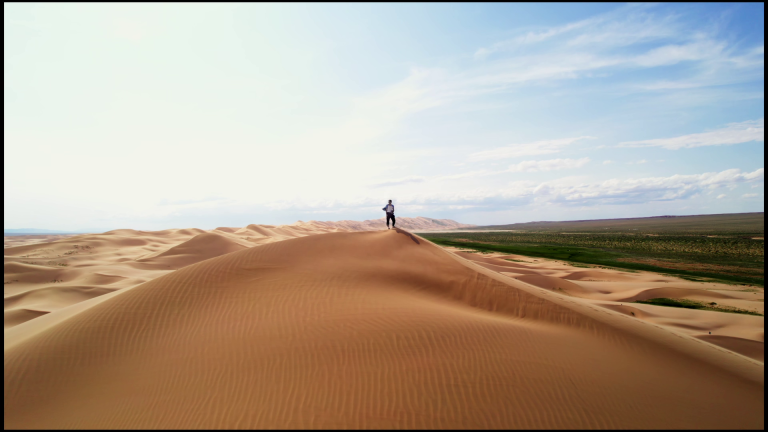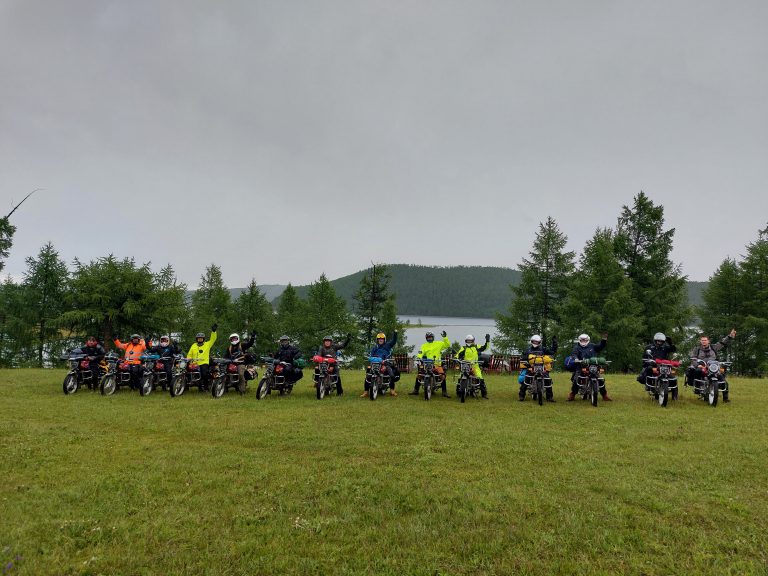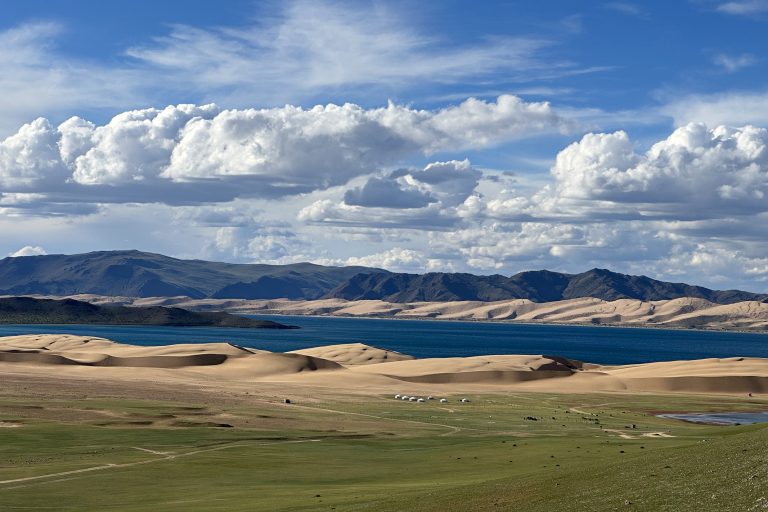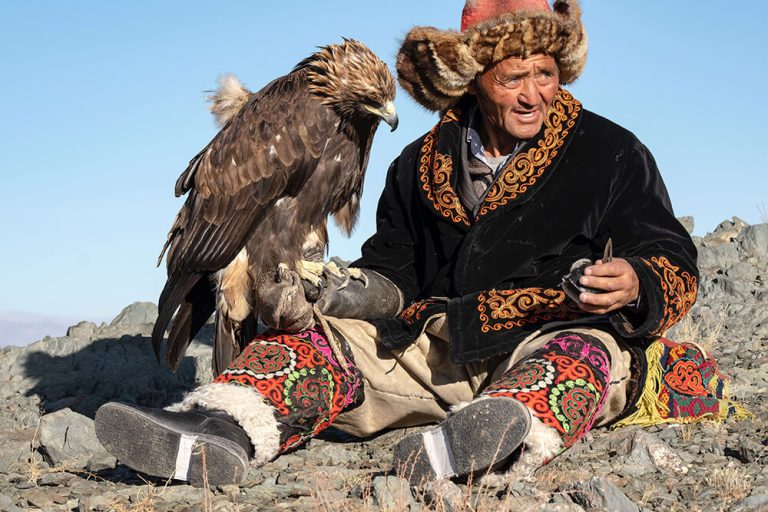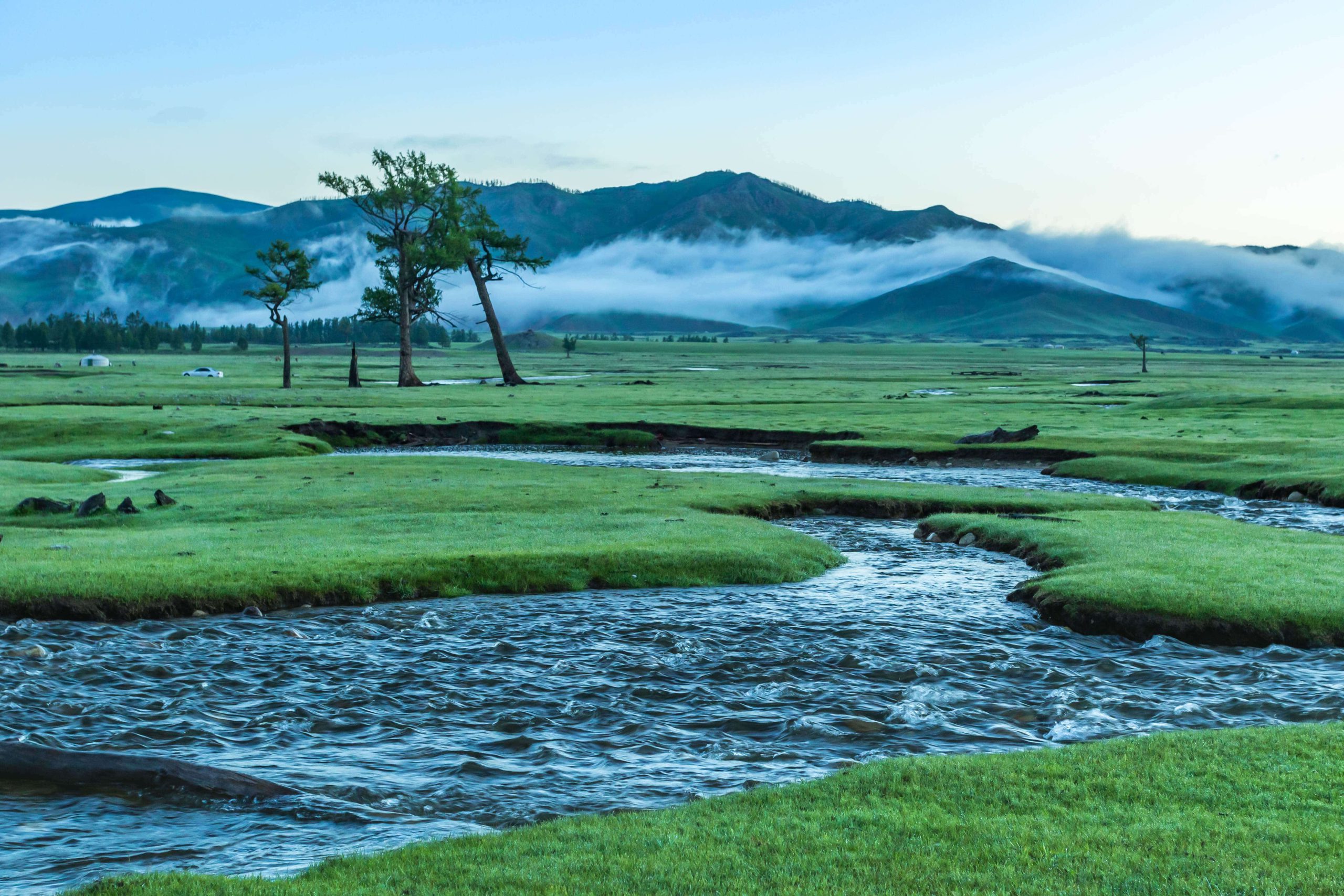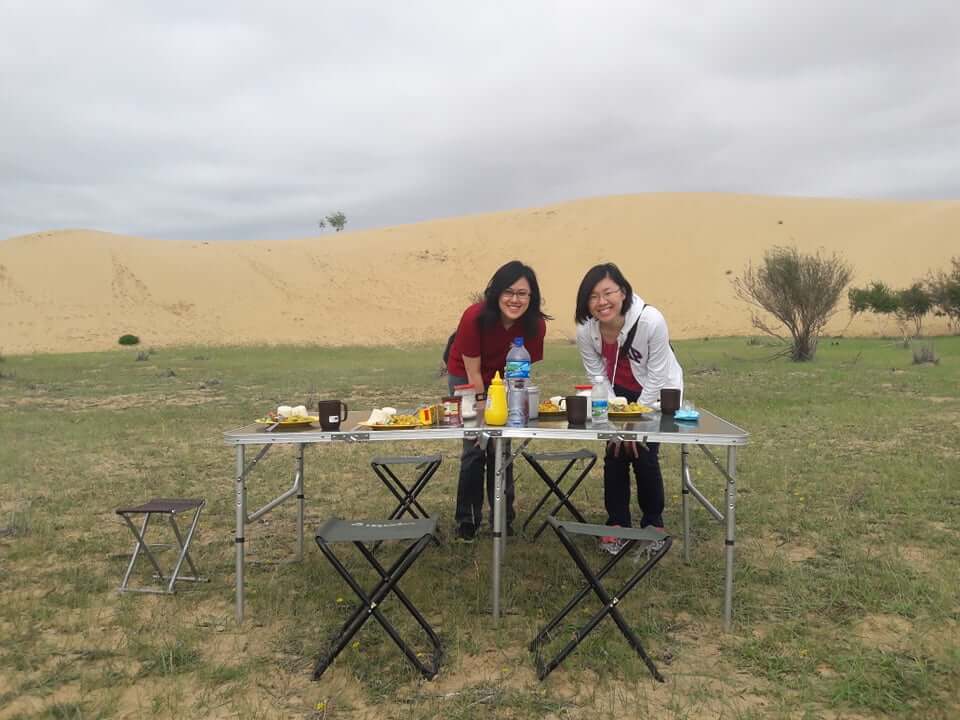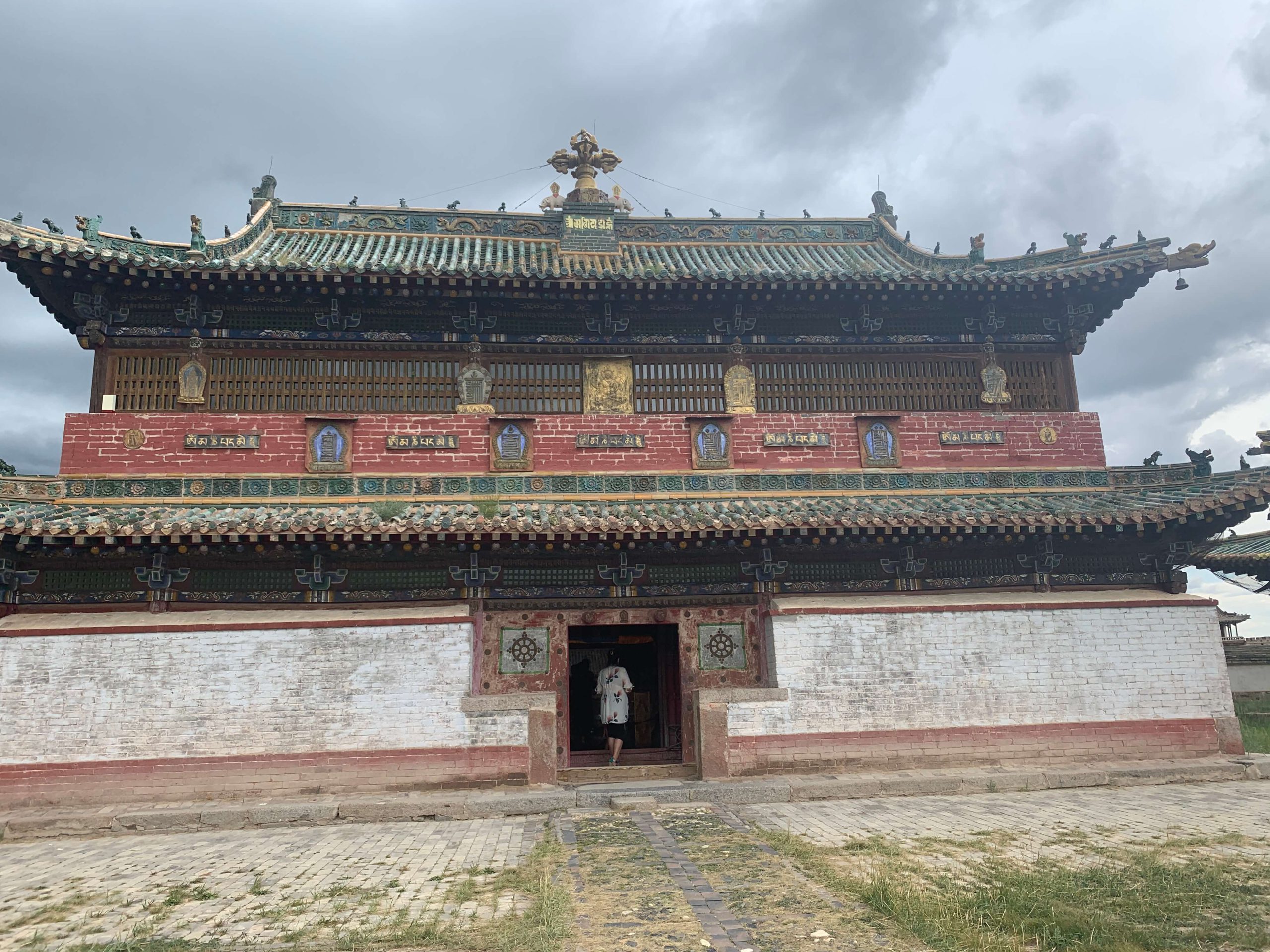
Khuvsgul lake tour: On this tour you will go to Khuvsgul lake and have the chance to experience local family life style, hiking, camel and horseback riding, climbing sand dunes, visiting temples and musuems, capture a glimpse of a wild horse and visit the ancient Mongolian capital and its museum.
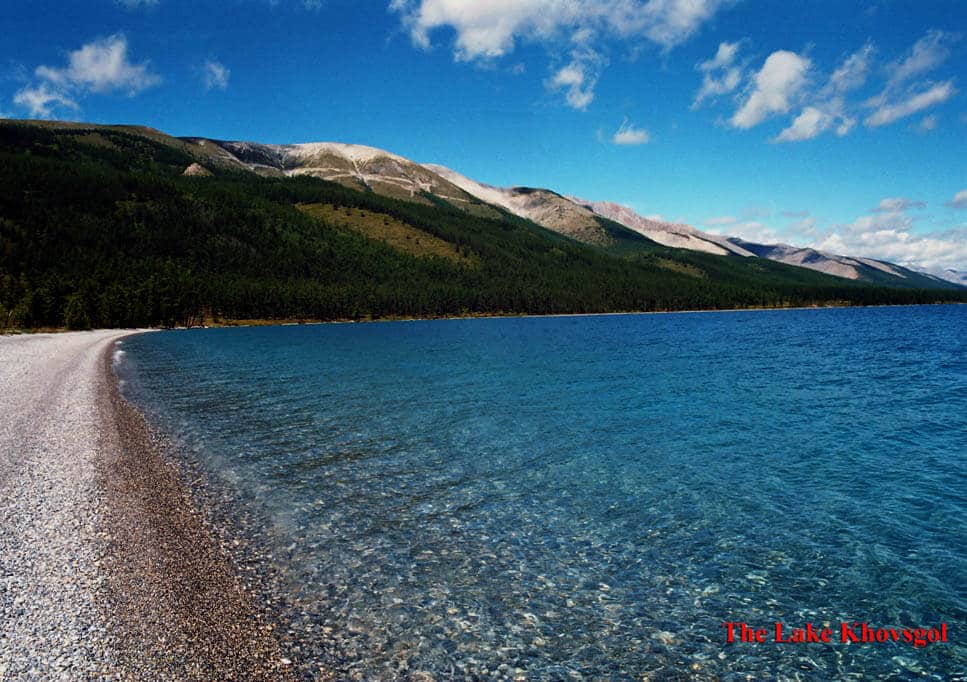
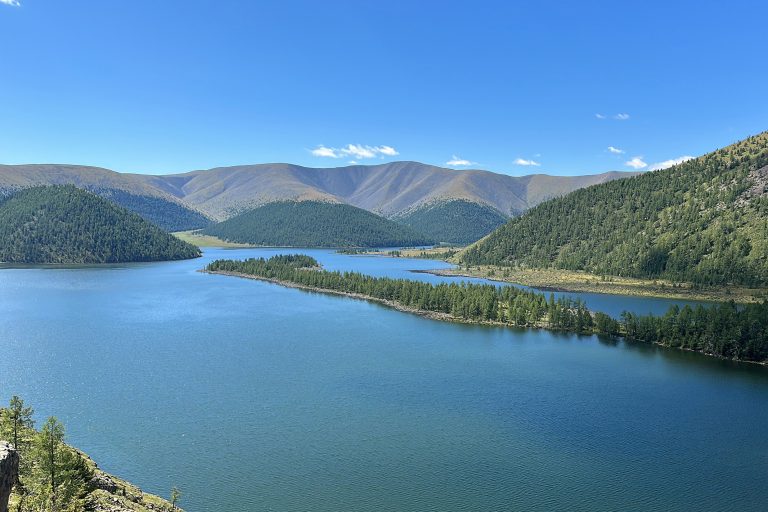
Khuvsgul lake is our main purpose of our trip. Lake Khuvsgul which is one of the most visited places for both locals and tourists. We’ll go hiking around Lake Khuvsgul which is one of the country’s largest and most spectacular protected areas. Lake Khuvsgul’s 380 cubic km of water make it the fourteenth largest freshwater lake in the world and second largest in Central Asia by volume, with over 1% of the world’s fresh water. At its deepest, the lake dives 262 meters. Ninety-six rivers and streams empty into the lake, but only the Egiin River exits the lake. The Egiin flows southeast until it joins the Selenge River, which flows through one of Mongolia’s most densely populated areas on its way to Lake Baikal. The Lake is 1645 meters above sea level and is generally frozen from January until April or May. There is a Ice festival in March.
accommodation:yesduration:9 days, 8 nightstour distance:2100kmgroup size:1-16tour operator:Idre tour
On this tour, you’ll visit Central Mongolia and its Buddhist monasteries, experience the lifestyle of nomadic families, and explore the pristine Lake Khuvsgul and the beautiful surroundings of its volcanic mountains.
Day 1
Khustai National Park & Elsen Tasarkhai (Semi Gobi)
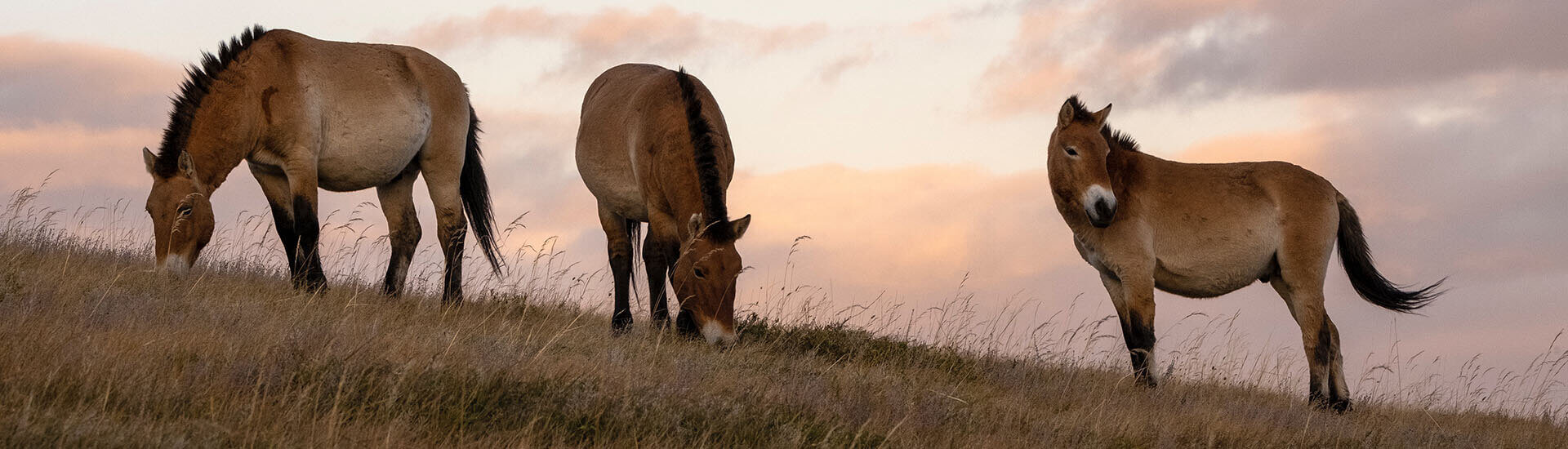
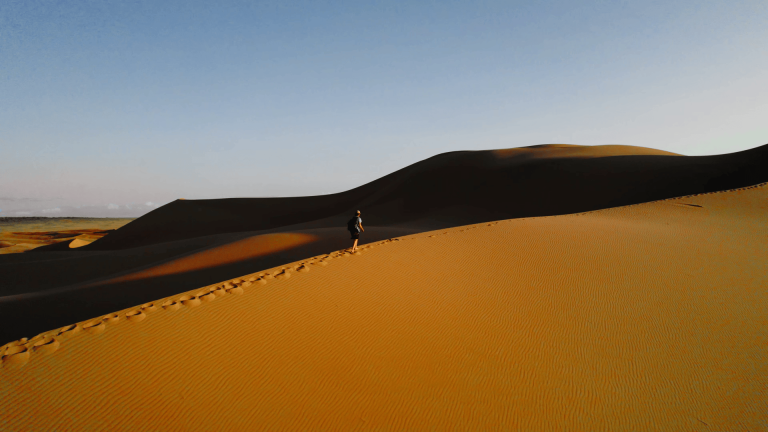
We’ll drive to Khustai National Park, located on the north side of the Tuul River, about a two-hour drive west of Ulaanbaatar. Although it is located in the central grasslands, Khustai means “with birch,” as birch trees and aspen groves are plentiful in the area. The park features hilly terrain, with the Tuul River forming its southern boundary. The national park was originally established in 1993 as a nature reserve for the first reintroduction of Przewalski’s horses (Equus przewalskii) into Mongolia. Today, the Khustai Trust runs the park, funded mainly through tourism. After lunch, we’ll drive to Mount Khogno Khan Nature Reserve. The mountain is home to hundreds of birds, deer, and gazelles. You’ll be able to hike around the area or visit the nearby small sand dunes called Elsen Tasarkhai.
Day 2
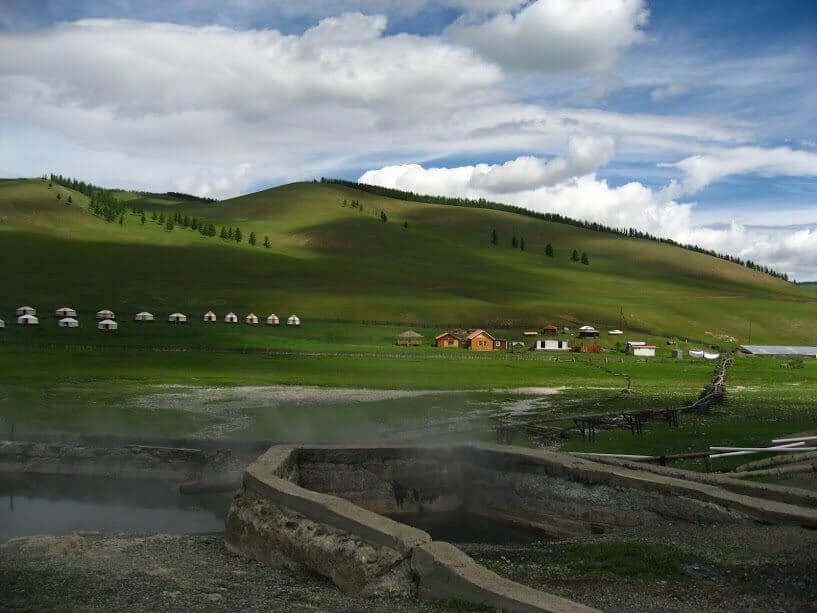
Kharkhorin, Erdene Zuu Monastery & Tsenkher Hot Spring
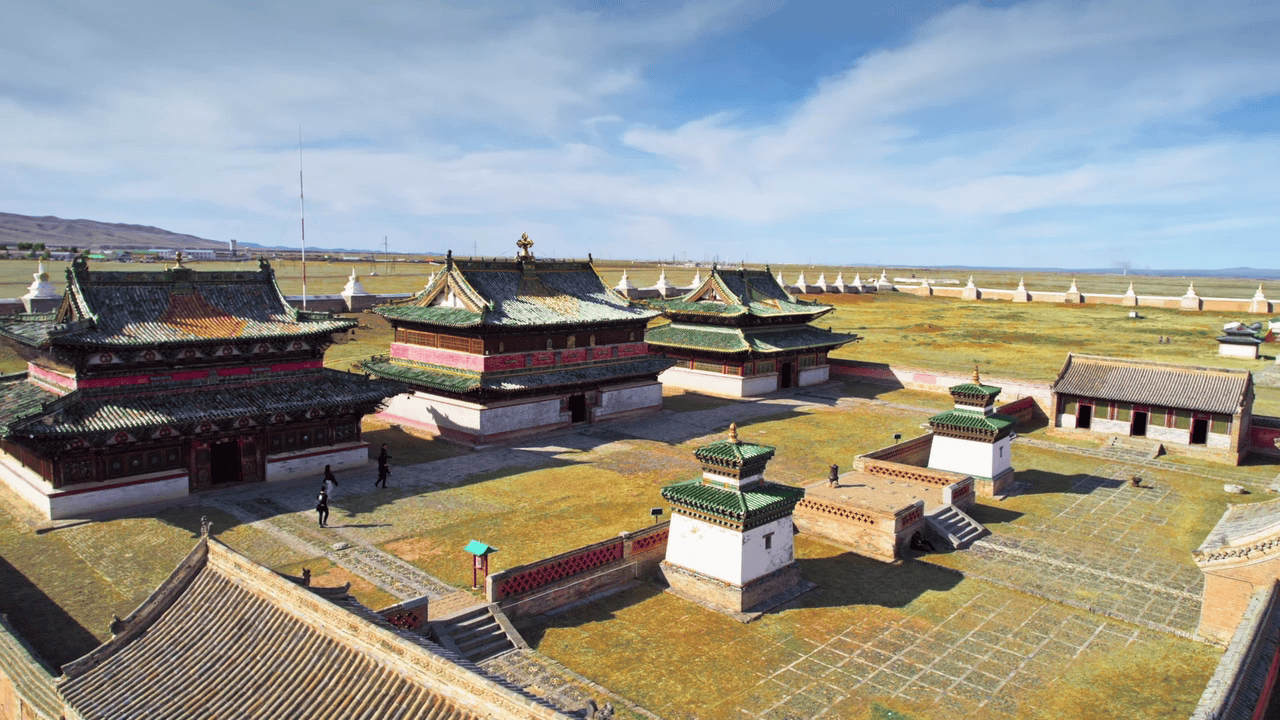
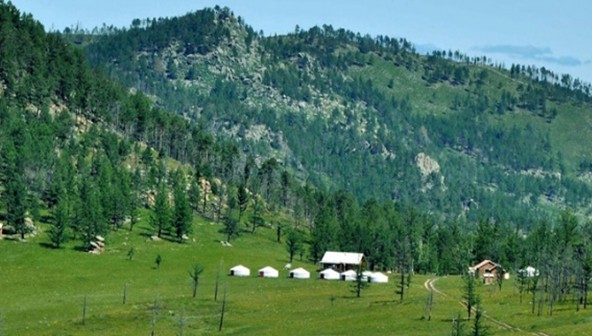
We’ll drive to Tsenkher Hot Spring, where you’ll have the opportunity to relax and enjoy a natural hot bath in the spring water. We’ll stay overnight at a ger camp near the hot spring. On the way, we’ll visit Kharkhorin, the ancient capital of Mongolia. Chinggis Khaan’s fabled city was founded in 1220 in the Orkhon Valley, at the crossroads of the Silk Road. It was from here that the Mongol Empire was governed until Kublai Khan moved the capital to Beijing. Kharkhorin served as the capital for about 40 years. Following the move and the subsequent collapse of the Mongol Empire, Karakorum was abandoned. Much of what remained was later used to build the magnificent Erdene Zuu Monastery in the 16th century. Nearby, you can also find Turkish monuments and rock inscriptions erected in the 8th–9th centuries in memory of outstanding fighters for independence.
Day 3
Terkhiin Tsagaan Nuur (Great White Lake)
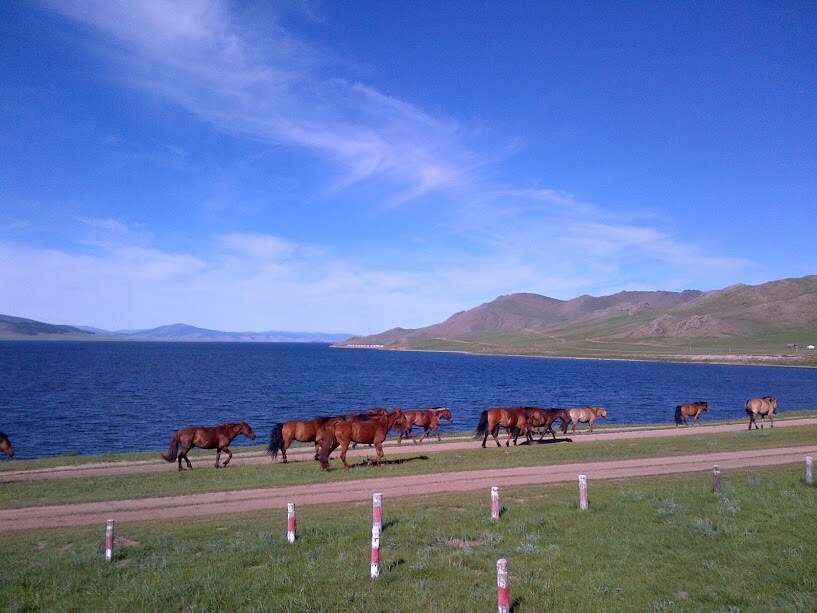
After breakfast, we’ll drive to Great White Lake and Khorgo Volcano. Khorgo-Terkhiin Tsagaan Nuur National Park was established to protect the spectacular mountain scenery and endangered species of flora and fauna. The area features extinct volcanoes, beautiful lakes, and a great variety of wildlife and birds, making it one of Mongolia’s best natural attractions. Khorgo Volcano is a unique natural formation surrounded by the Khangai Mountains, which rise to around 3,000 meters above sea level. Some of the volcanic craters contain tiny, crystal-clear lakes. The Khorgo crater, located at an altitude of 2,210 meters, with a diameter of about 20 meters and a depth of 70–80 meters, is one of the most impressive sights in the area.
Day 4
Khorgo Volcanic Mountain
We’ll go hiking to Khorgo Volcano for the day. The area is home to many animals, including deer and wild goats, as well as various species of birds. The Khorgo Volcano crater is situated at an altitude of 2,210 meters, with a diameter of 20 meters and a depth of 70–80 meters, making it one of the most interesting sights in the area.
Day 5
Murun Province
Mongolia has one capital city and 21 provinces. Murun is the capital of Khuvsgul Province. Today will be mostly driving, and we’ll spend the night in Murun.
Day 6
Khuvsgul lake
We’ll drive to Lake Khuvsgul which is one of the most visited places for both locals and tourists. We’ll go hiking around Lake Khuvsgul which is one of the country’s largest and most spectacular protected areas. Lake Khuvsgul’s 380 cubic km of water make it the fourteenth largest freshwater lake in the world and second largest in Central Asia by volume, with over 1% of the world’s fresh water. At its deepest, the lake dives 262 meters. Ninety-six rivers and streams empty into the lake, but only the Egiin River exits the lake. The Egiin flows southeast until it joins the Selenge River, which flows through one of Mongolia’s most densely populated areas on its way to Lake Baikal. The Lake is 1645 meters above sea level and is generally frozen from January until April or May.
Day 7
Hiking in the Khuvsgul Lake Area
The area around Lake Khuvsgul is beautiful and surrounded by forests. Today, we’ll explore the surrounding area and enjoy the stunning natural scenery.
Day 8
Uran Togoo Volcanic Mountain
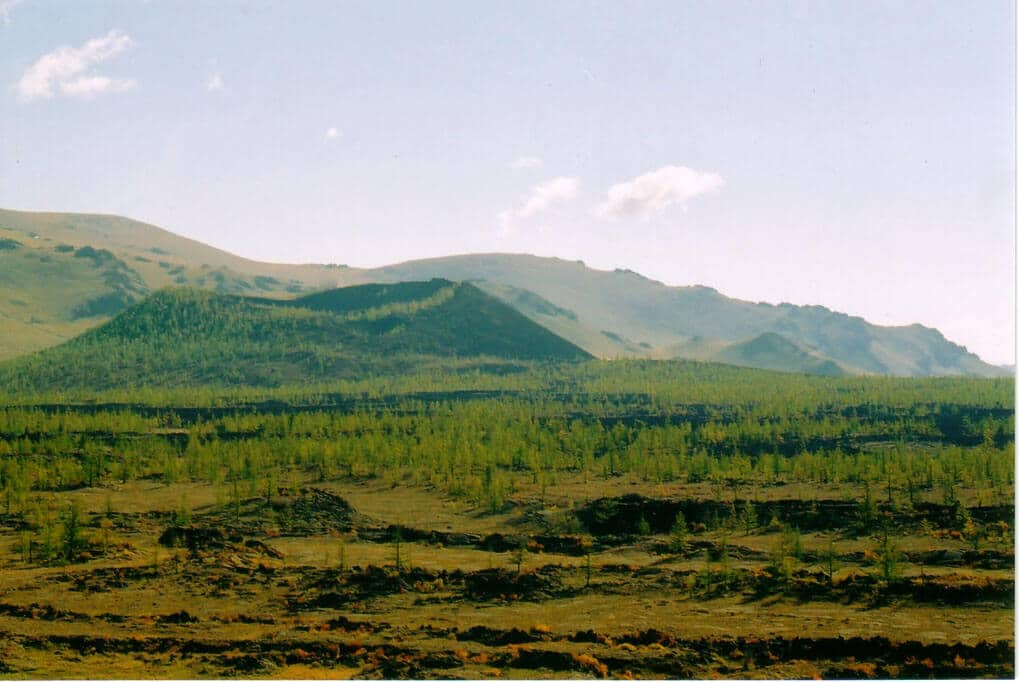
We’ll drive to Uran Togoo in Bulgan Province. Uran Togoo is a famous volcanic mountain in Mongolia, known for its beautiful landscape and geological history. It was an active volcano around 20–25 million years ago.
Day 9
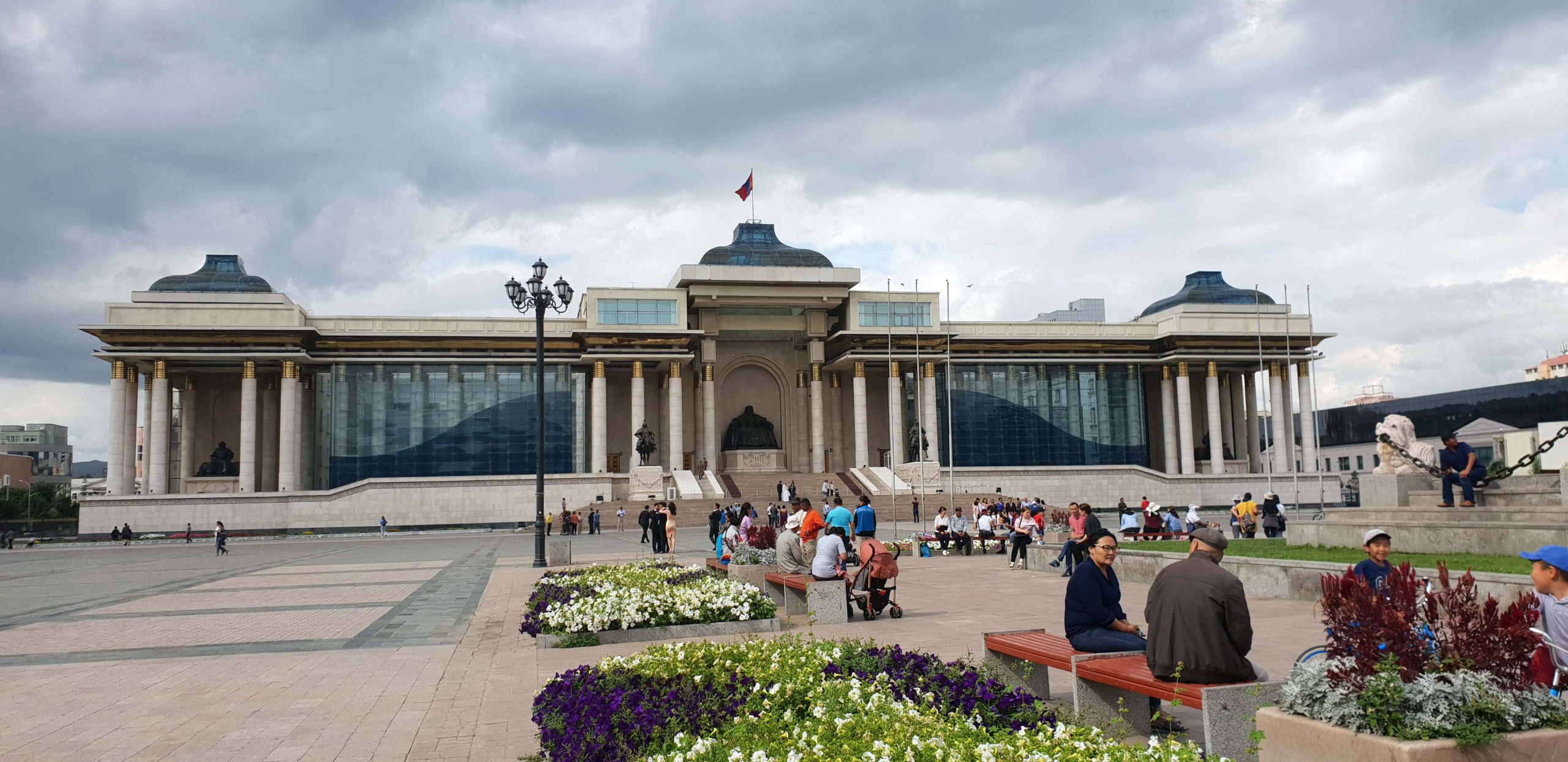
Ulaanbaatar
Today will be mostly driving, and we’ll return to Ulaanbaatar in the evening.
Tour Price
All price are per person per day
The difference between a comfortable tour and budget tour relates primarily to the accommodation type. Within a budget tour all accommodation will be with a nomadic family in their Ger. While a comfortable tour includes accommodation at Ger camps which are similar to a 3-4 star hotel standard. Finally the Mid-Range tour mixes Comfortable and Budget, where you will stay some nights in the traditional Ger with a nomadic family and others in a Ger camp.