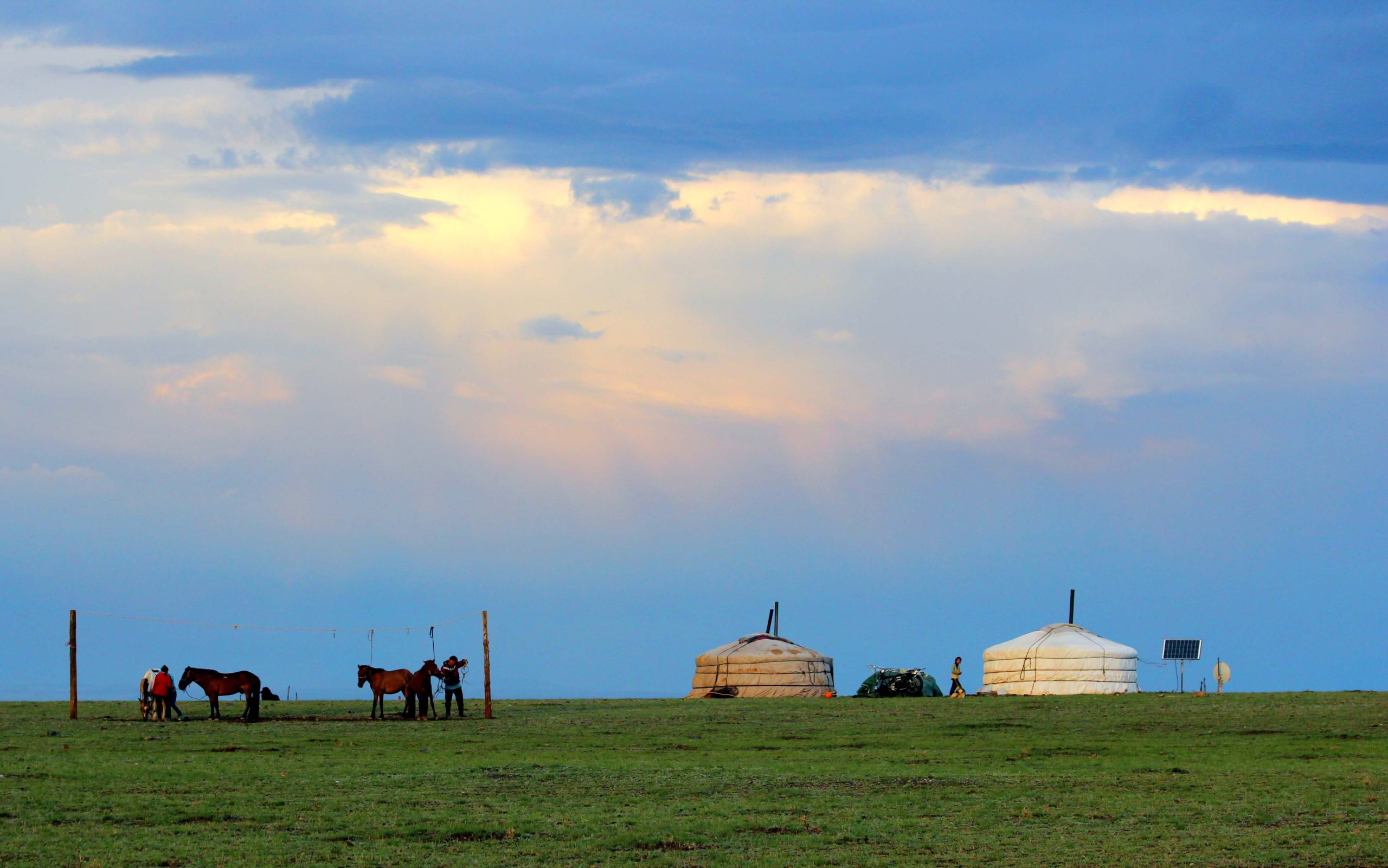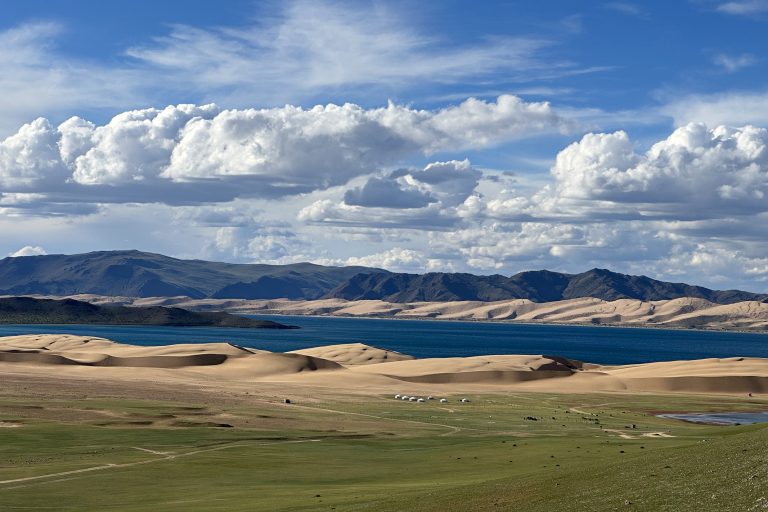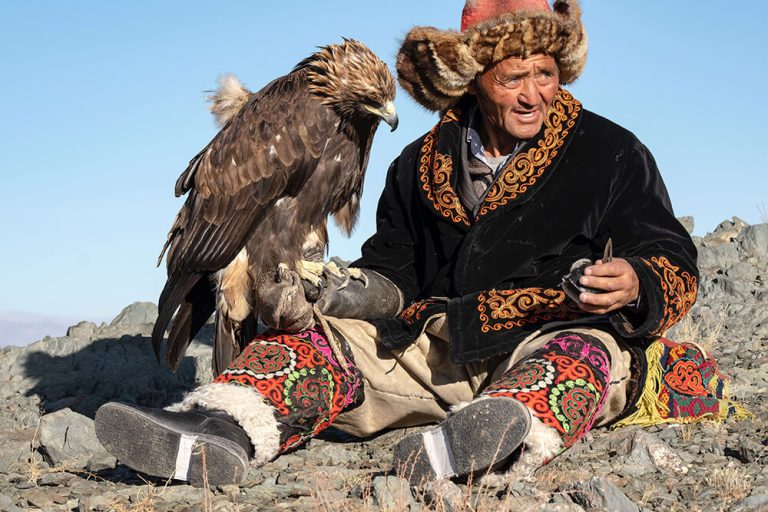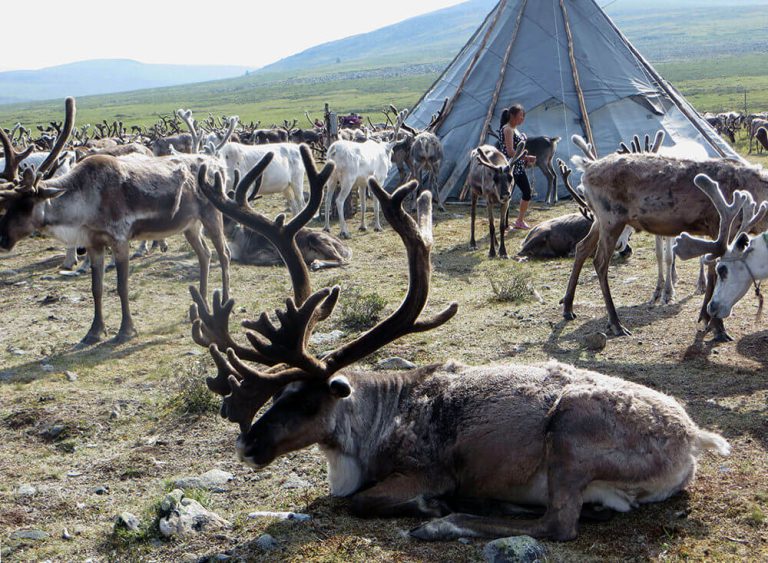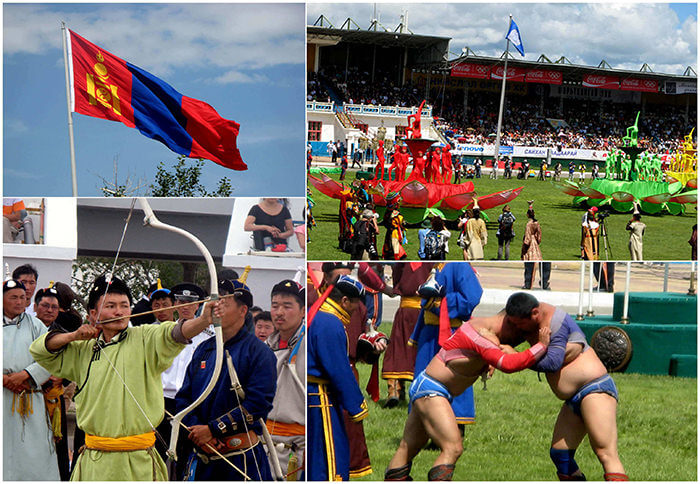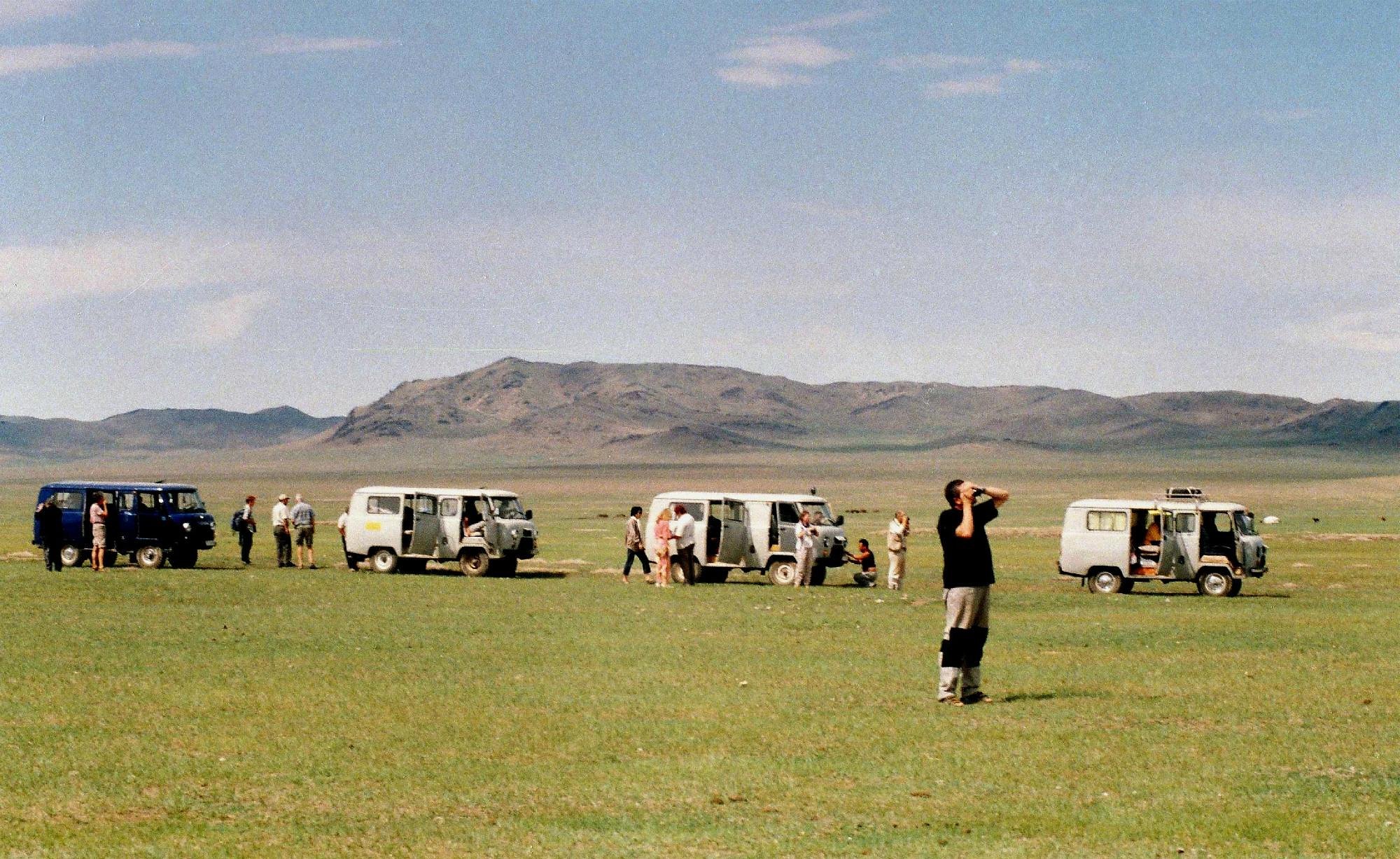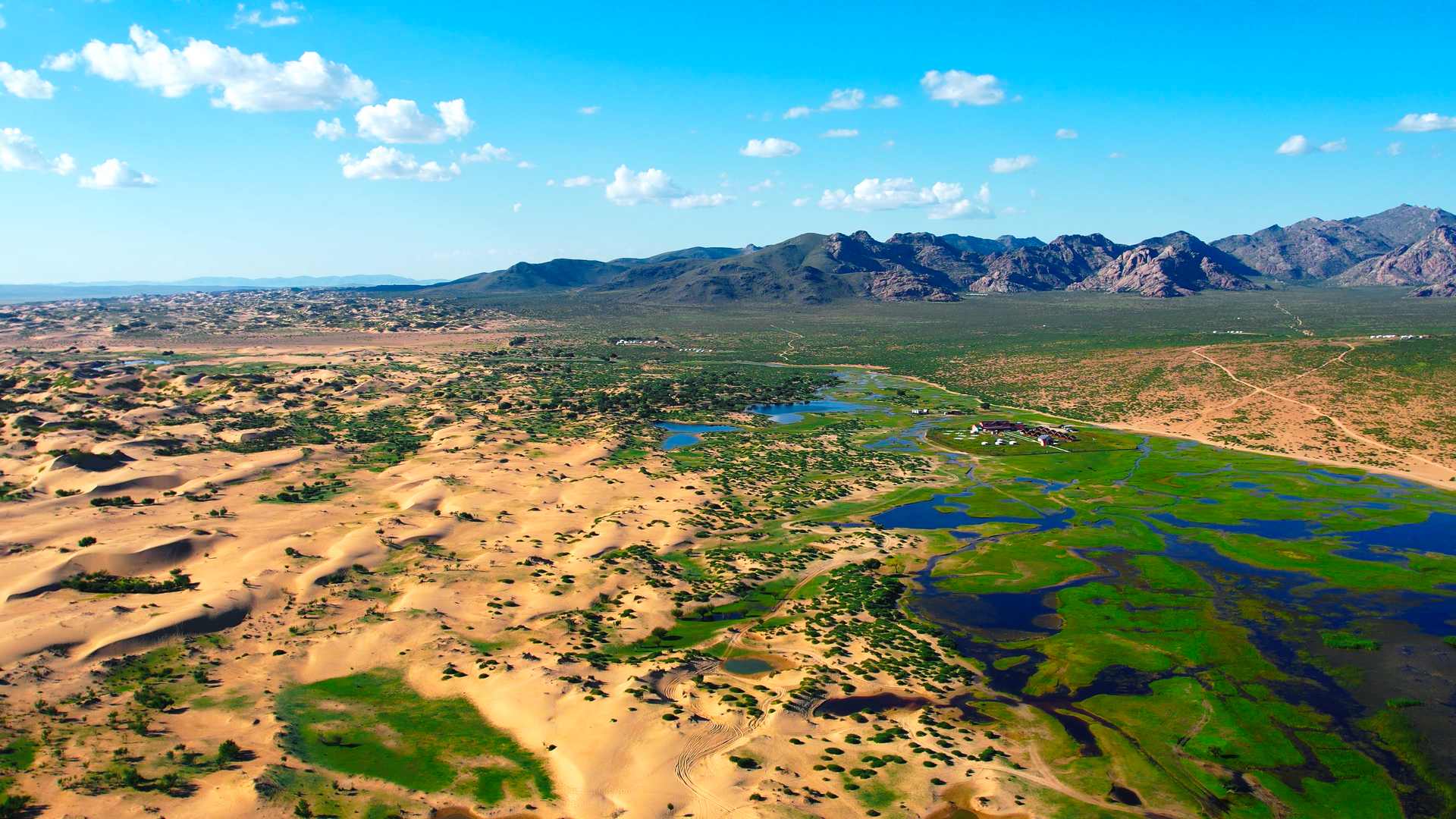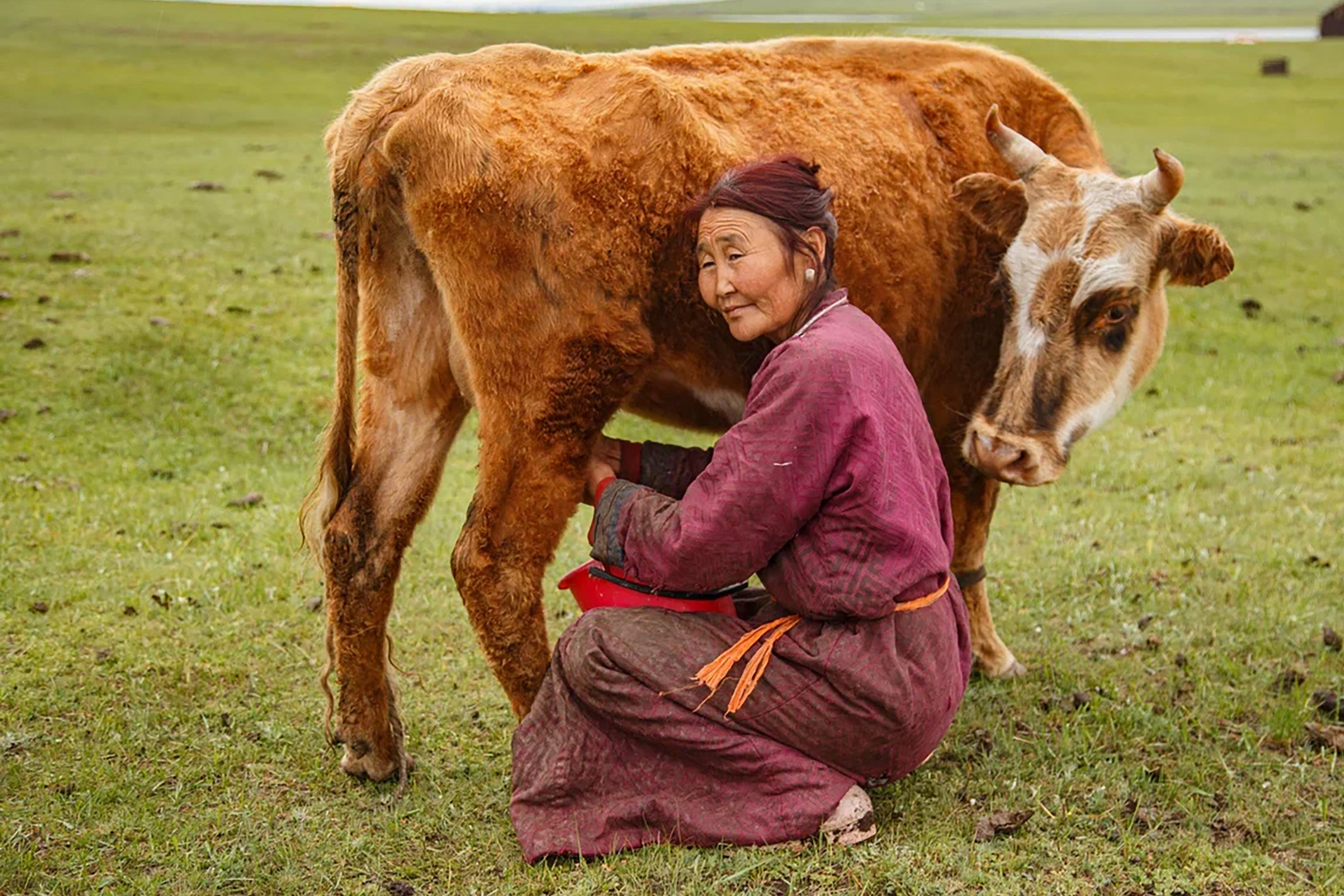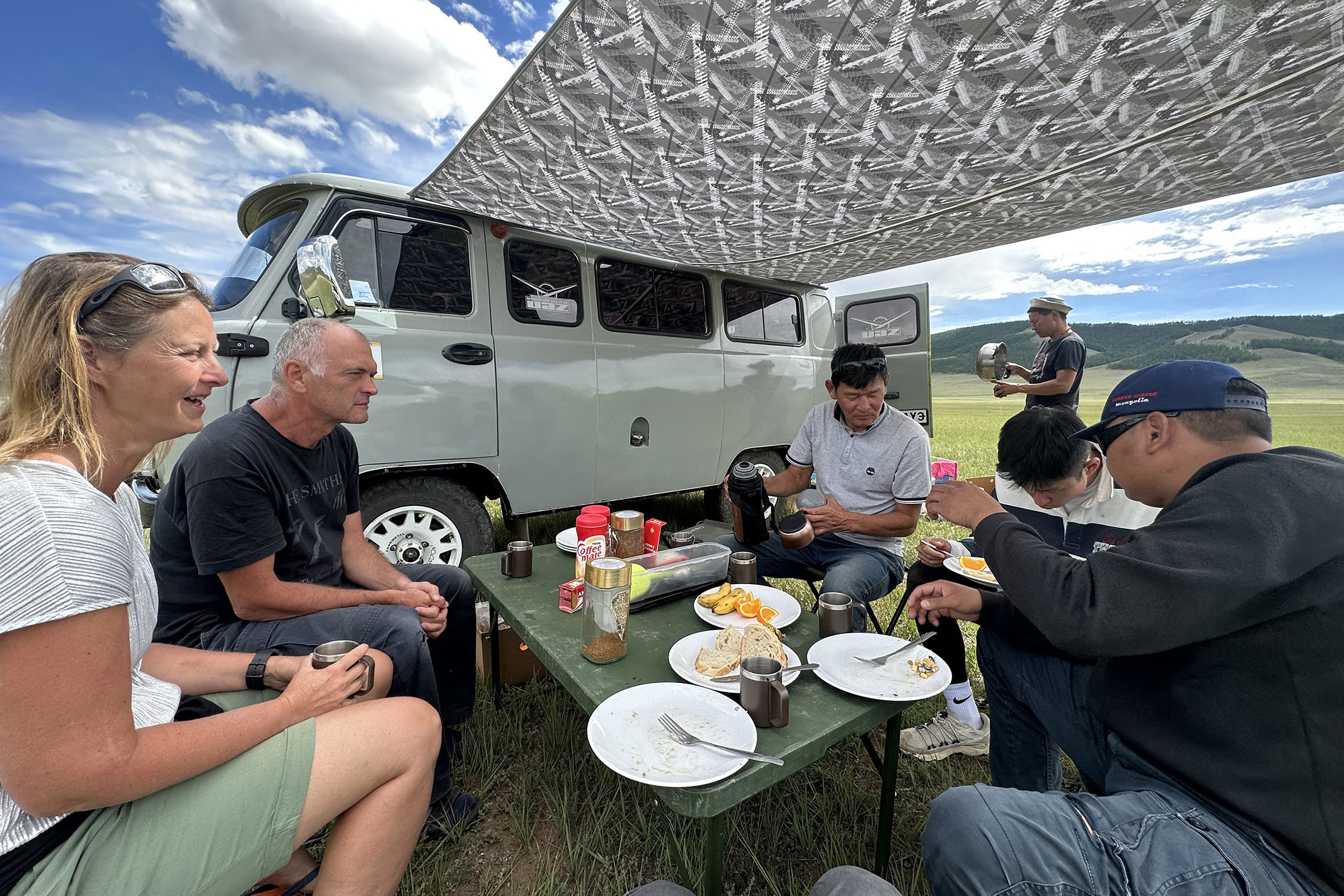
Gobi Desert & Eight Lakes Tour: On this trip you’ll enjoy the wonderful scenery Orkhon Valley, learn about Buddhism and the history of Mongolia,see an eternally clear sky, blue mirages, golden sands and boundlessly expansive steppe lands, wild asses, ibexes camels, mountain sheep and gazelles flourish in the Gobi desert. Furthermore, you’ll have the opportunity to experience the traditional lifestyle of Mongolian nomadic families, enjoy horseback riding and camel riding, and go trekking in one of Mongolia’s most beautiful forested lake regions.
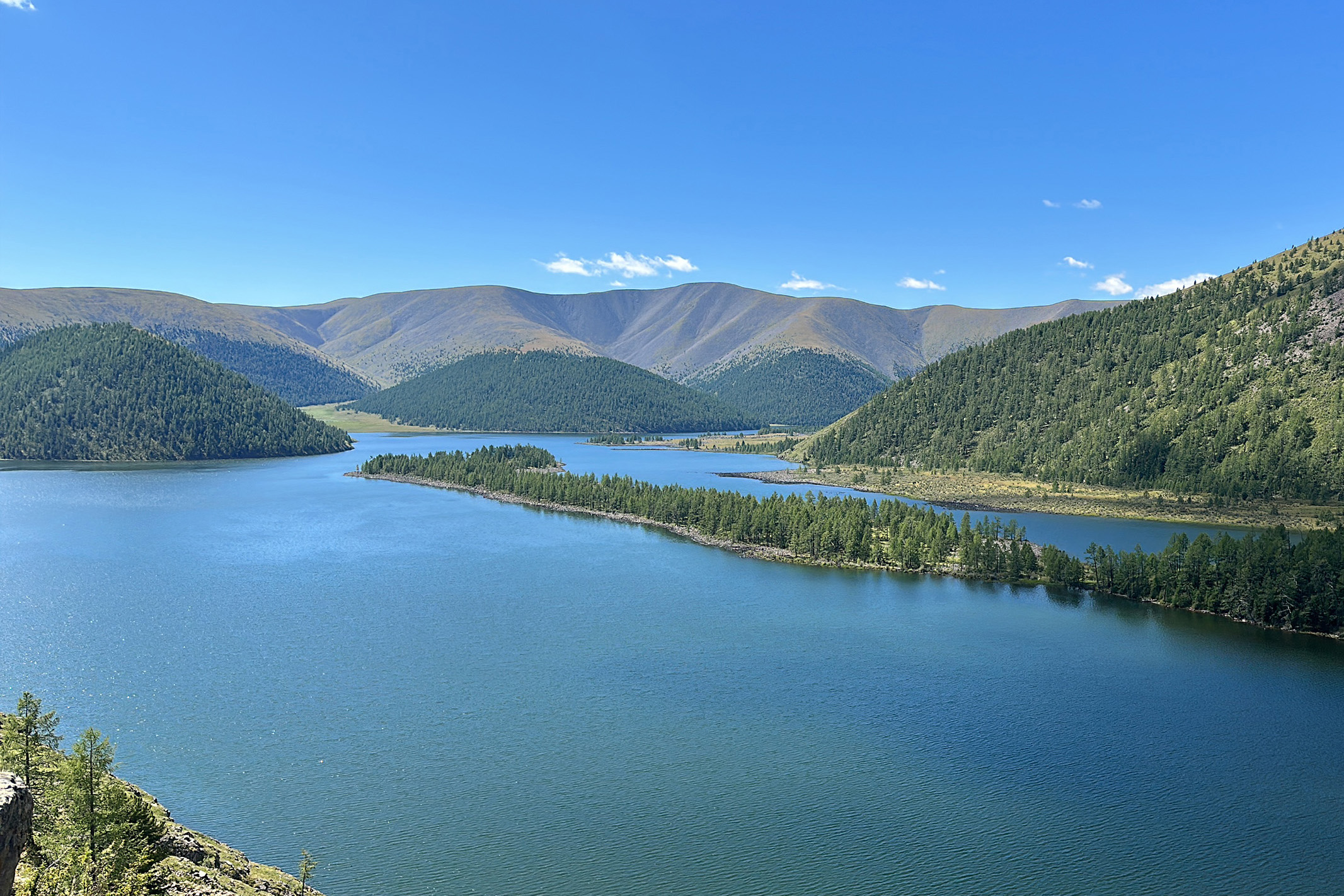
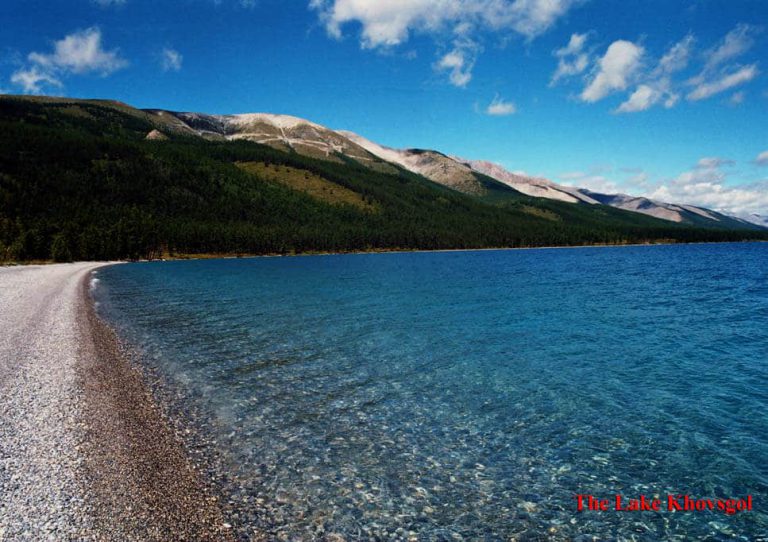
Eight Lakes (Naiman Nuur) are located in central Mongolia at an elevation of around 2,400 m above sea level. The eight lakes lie close to one another and are connected by underground channels. Surrounded by larch and cedar forests and remnants of ancient volcanoes, the area reflects its volcanic origin. In the distant past, volcanic eruptions blocked the flow of nearby rivers, which led to the formation of these eight separate lakes.
Accommodation:yesduration:13 days, 12 nightstour distance:2300kmgroup size:1-16tour operator:Idre tour Mongolia
We'll start our trip with a full day driving to the Baga Gazariin Chuluu Ruins (1768 m high granite stone mountain in the territory of Adaatsag soum, Dundgobi aimag. The mountain contains remains of old temples. They are not only rich in mineral and crystals, but also eye spring, old stone temple ruins related with 17th century.
Day 2
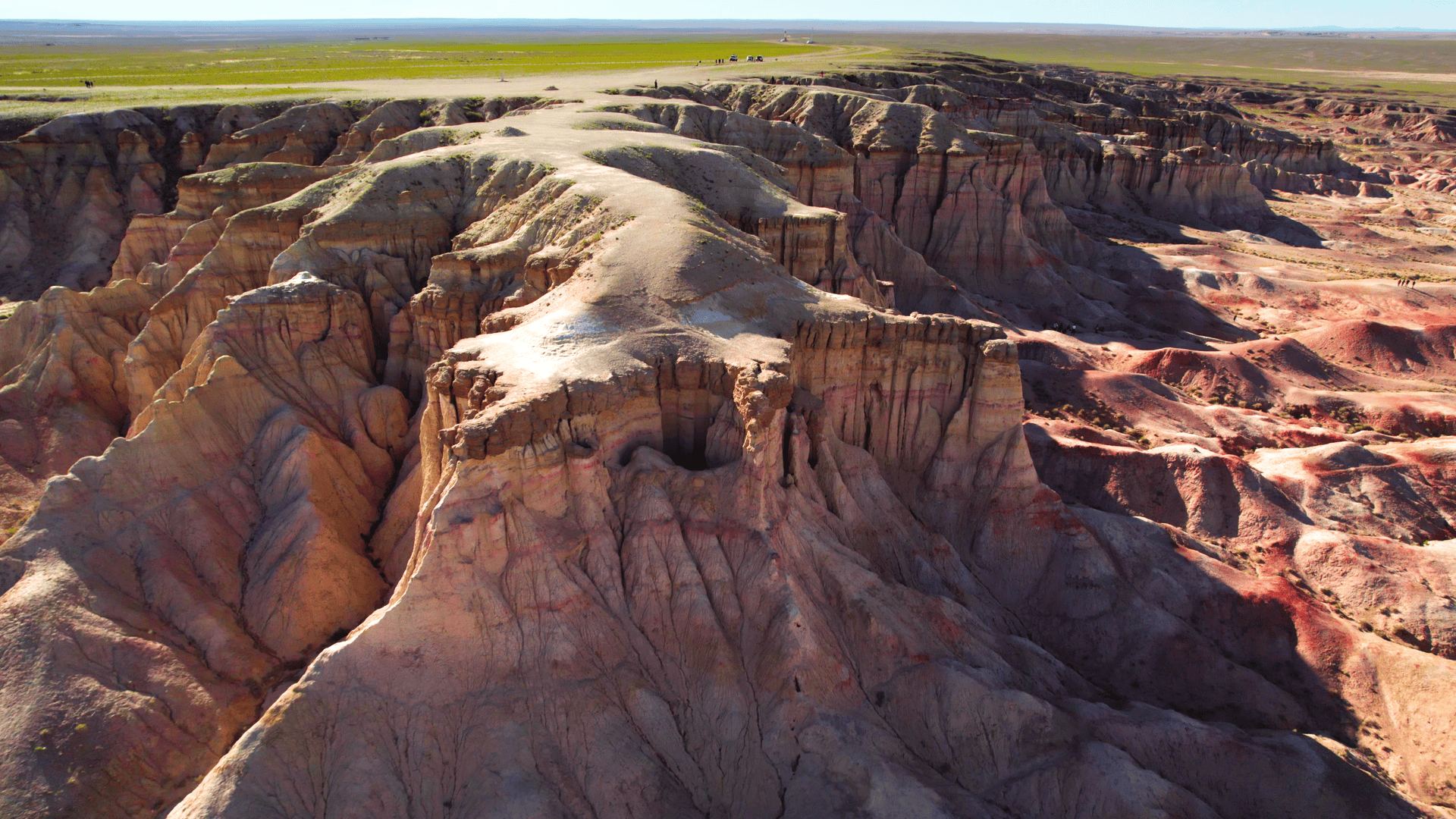
White stupa (Tsagaan suvraga)
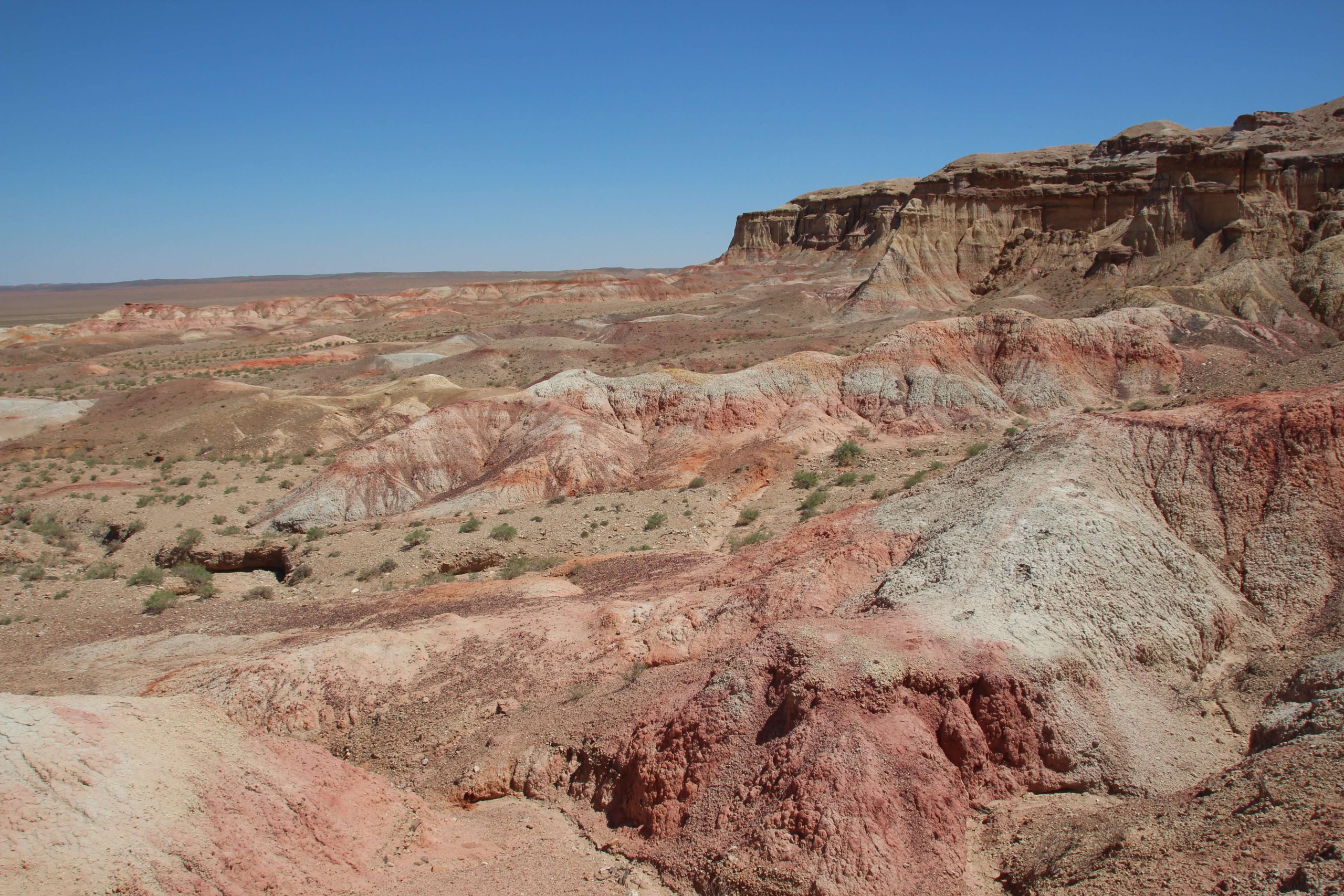
We’ll drive to the scarp of Tsagaan Suvarga which is located in Ulziit soum, Dundgobi province. It is interesting to see the sheer slope, facing east, which form cliffs 30 meters high and 100 meters wide. Over thousands of years the wind has created this amazing structure. It is an excellent site for taking photographs of the beautiful panoramic views.
Day 3
Yolyn Am Valley (Yolyn Am Ice Valley )
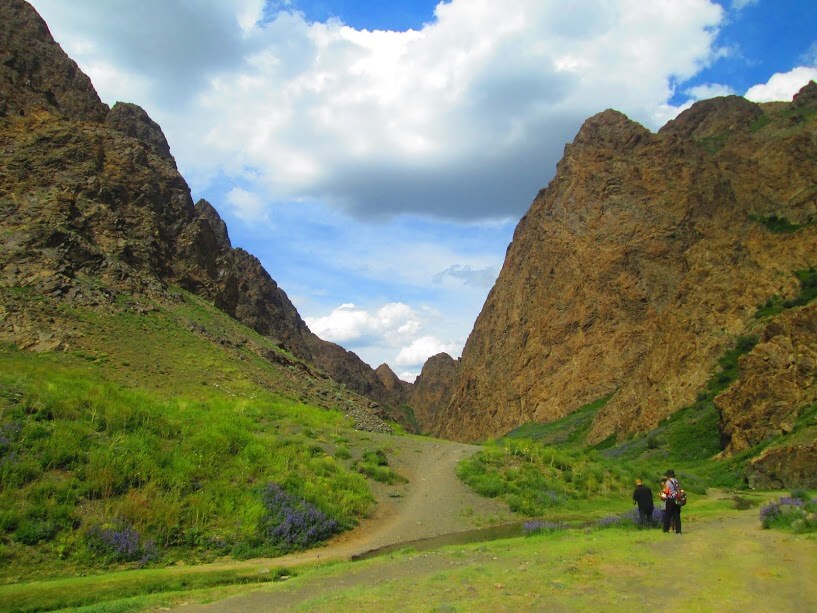
After breakfast, we’ll drive to Yoliin Am in middle of the Gobi desert National Park which is a strictly protected area, covering 70sq.kms. The mountains here are the highest in the Gobi Desert and the rocky scenery is quite interesting, especially between June and July while the ice in a gorge remains. Yolyn Am canyon in the Gurvan Saikhan mountains is home to endangered snow leopard, wild sheep, wild goats and Lammergeyers (Bearded Vulture). We’ll walk 2kms through a narrow valley, then return to the minivan again on the same route.
Day 4
Khongoryn Els Sand Dune
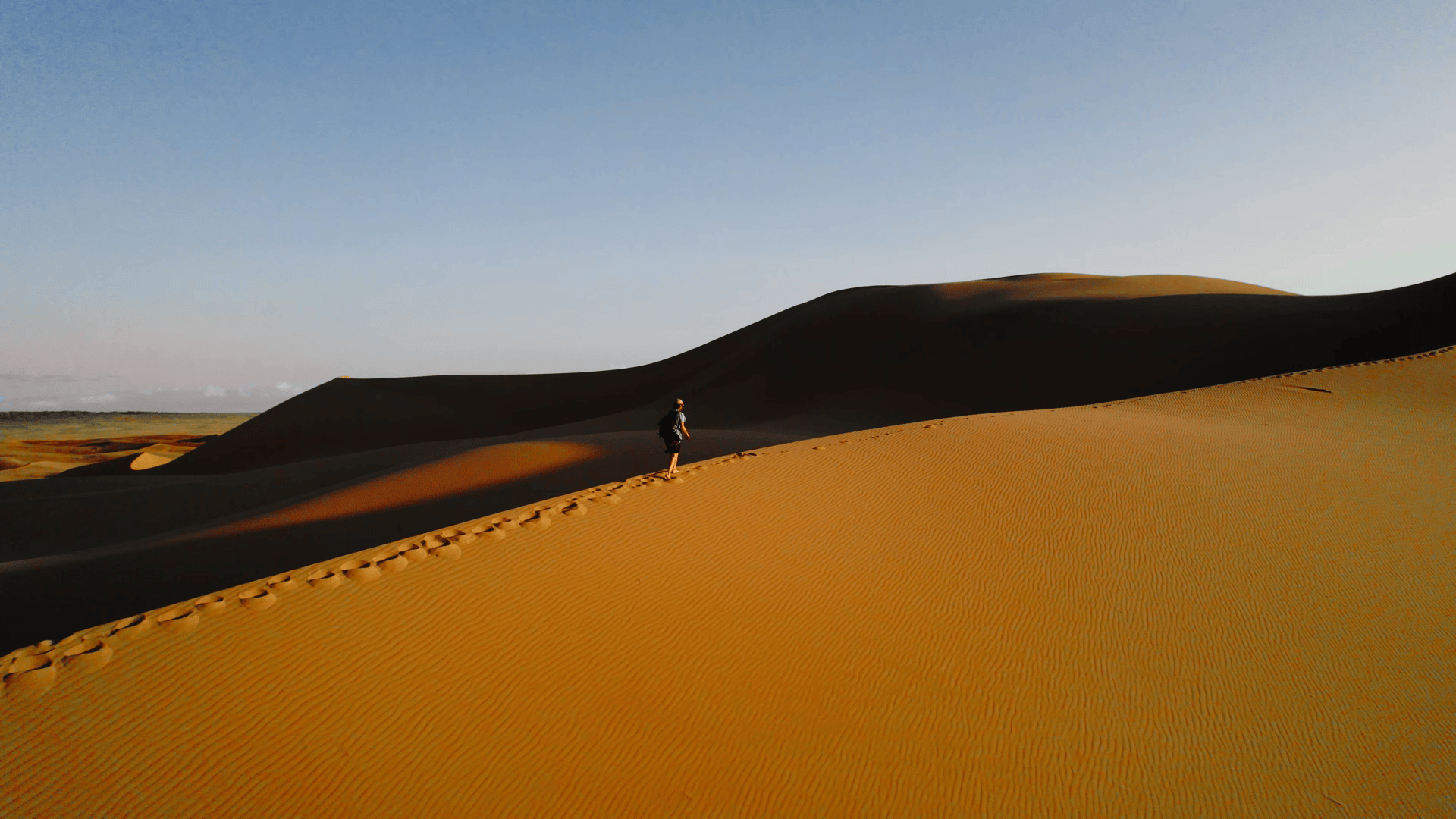
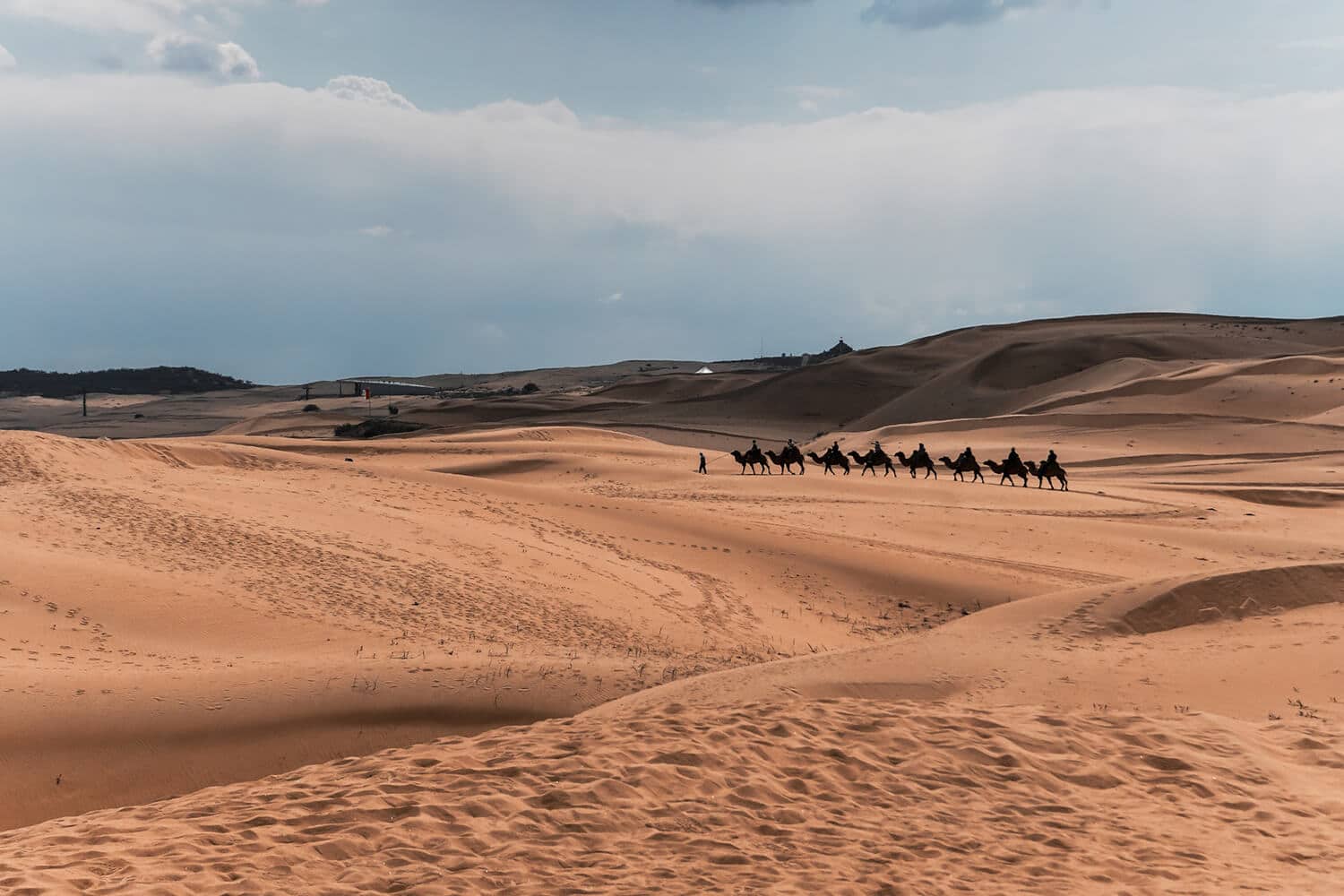
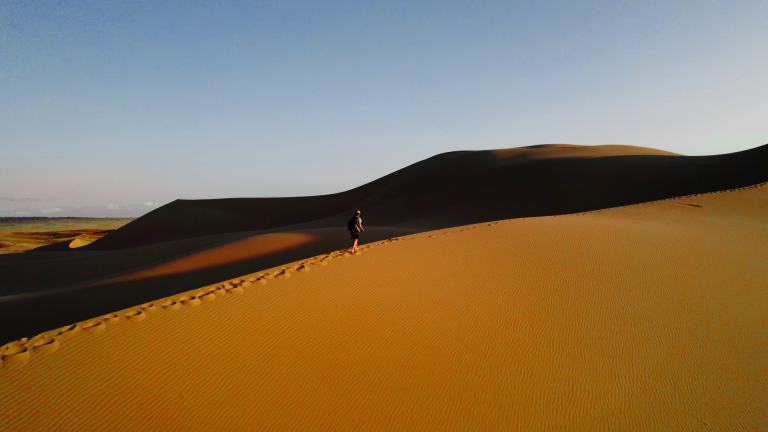
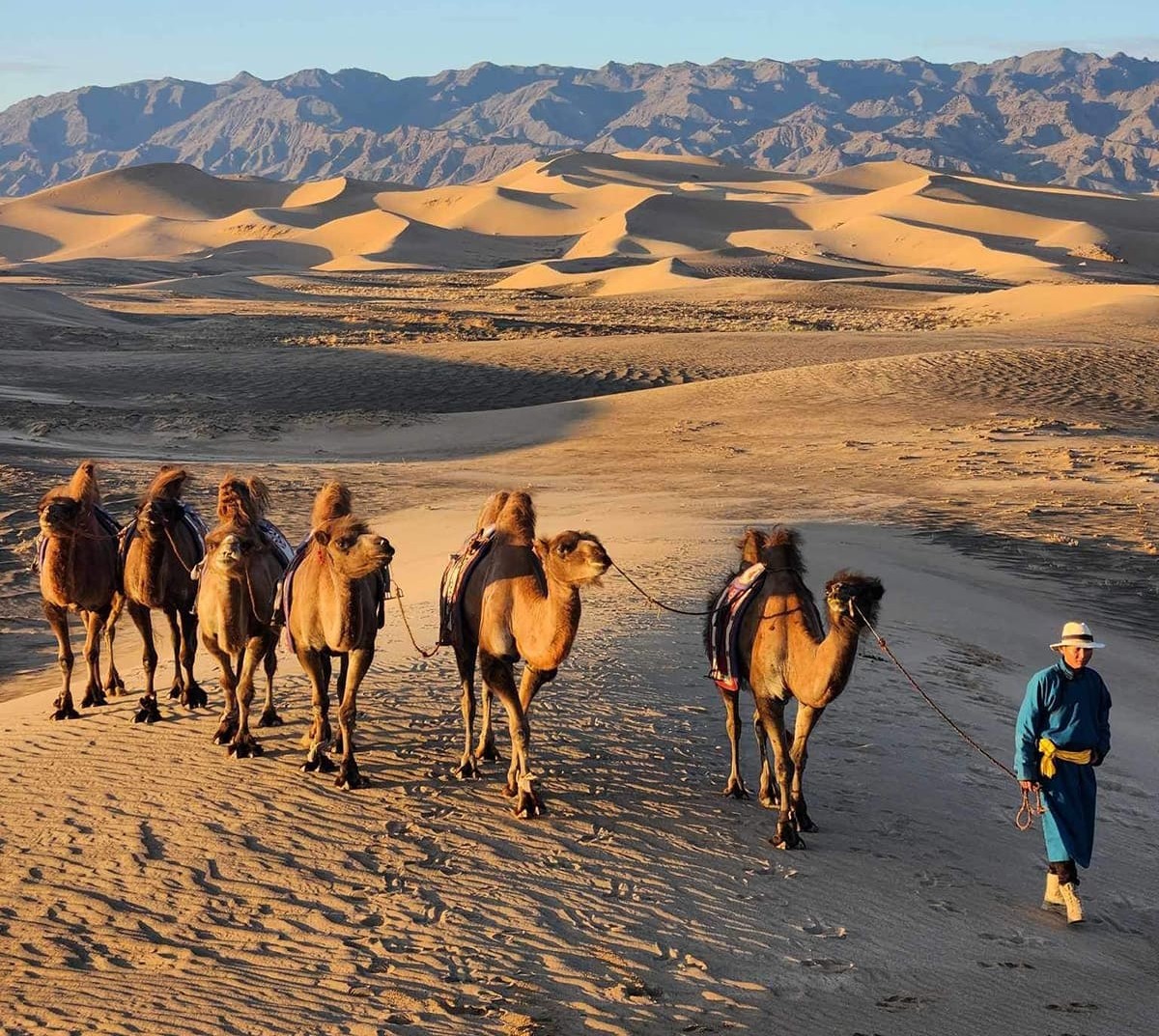
We’ll drive to the Khongoryn Els Sand Dunes (195kms). The Khongoryn Els is one of the largest and most spectacular sand dunes in Mongolia. Also known as the Duut Mankhan ”Singing Dunes” from the sound they make when the sand is moved by the wind), they are up to 200m high, 12km wide and about 120km long. We’ll see beautiful views, huge sand dunes and a cold water spring with a river that leads to two small ponds. We arrange a camel riding trip on the real sand dunes. You may also have the chance to see a beautiful sunset in the gobi desert.
Day 5
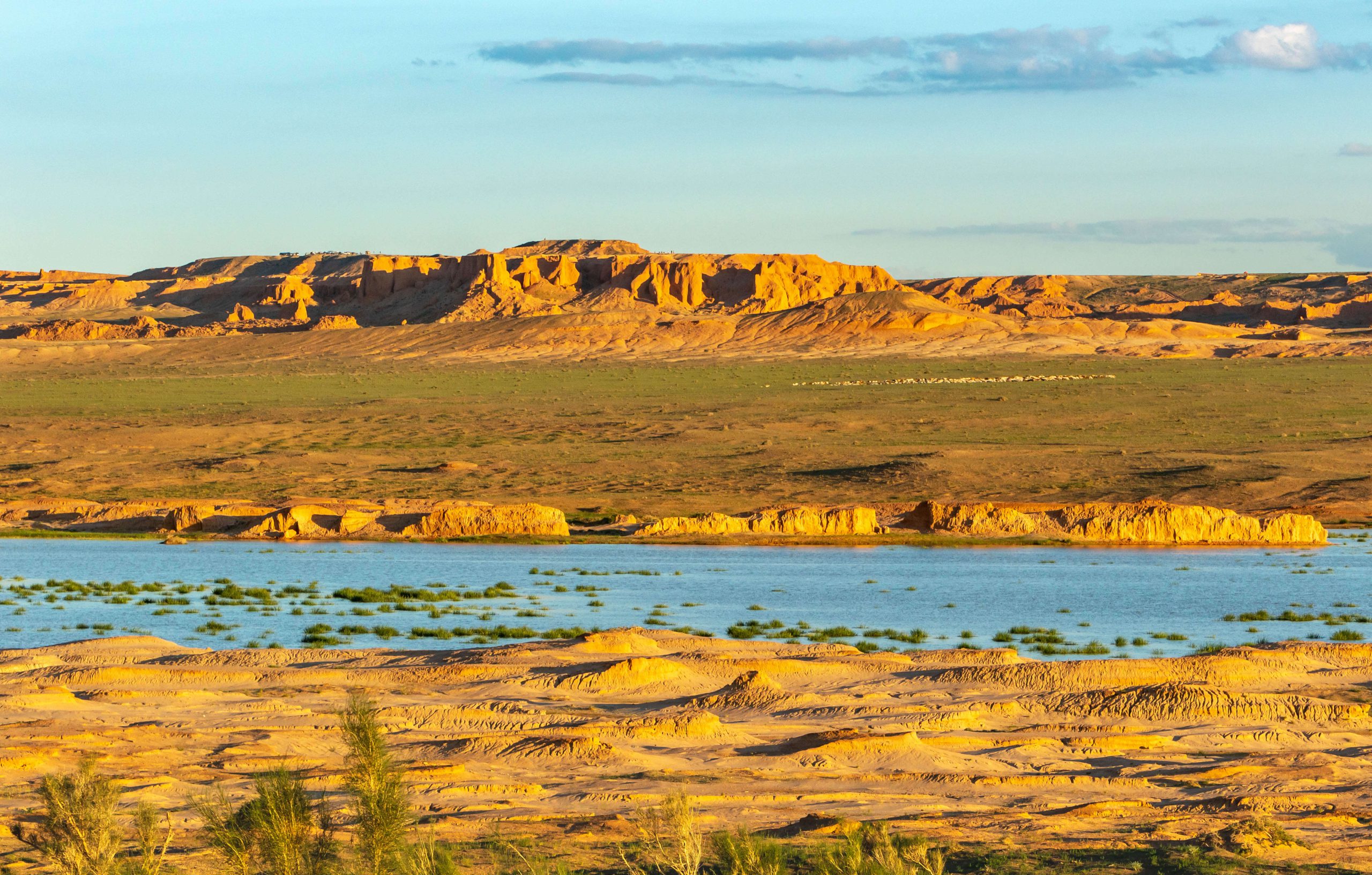
Bayanzag flaming cliffs
After breakfast, We’ll travel on to Bayan-Zag (150kms). Bayan-Zag means “rich in Saxaul Shrubs” it is more commonly known as the “Flaming Cliffs” of Bayan-Zag. The American paleontologist Roy Chapman who visited there in the 1920s has made this place famous as the first discovery of dinosaur fossils in Mongolia. This is also a beautiful location at sunset.
day 6
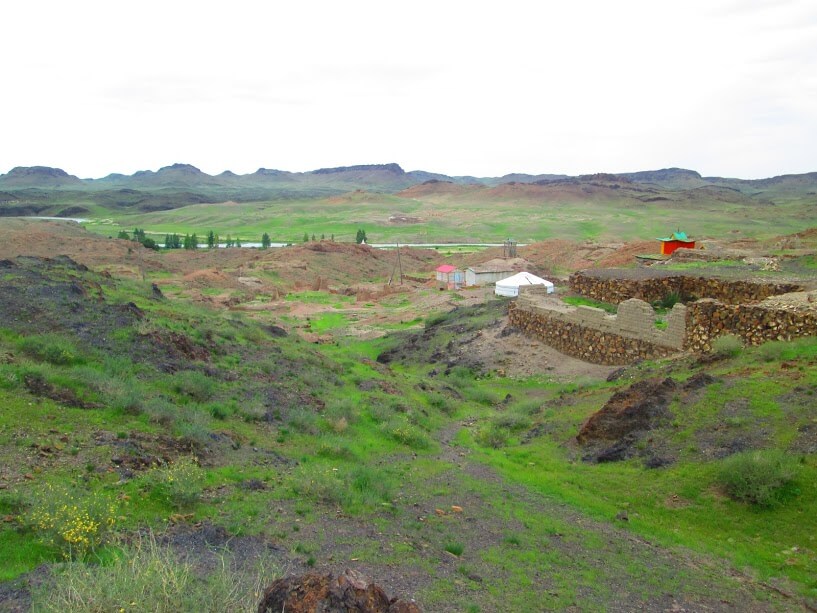
Ongi Monastery
We’ll drive on to Ongyn hiid, where you can see the ruins of a big monastery on the bank of the Ongiin River. This monastery has 28 temples and other buildings on the southern slope of the Rocky Mountain like Balsa country and stupas which are not broken. This monastery had about 1000 lamas and it was destroyed during the Stalinist purges in 1930s. The Ongyn hiid was one of the biggest temples in Gobi desert
day 7
Horse Herder Family in the Orkhon Valley
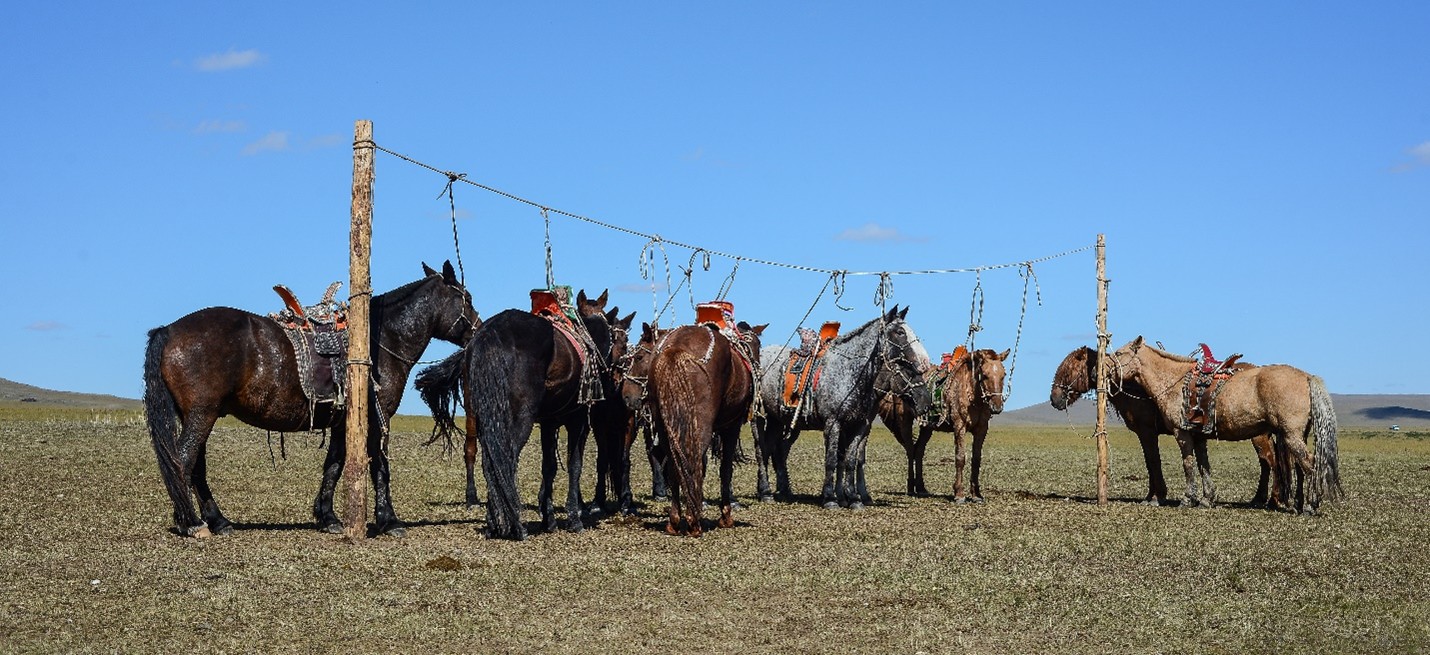
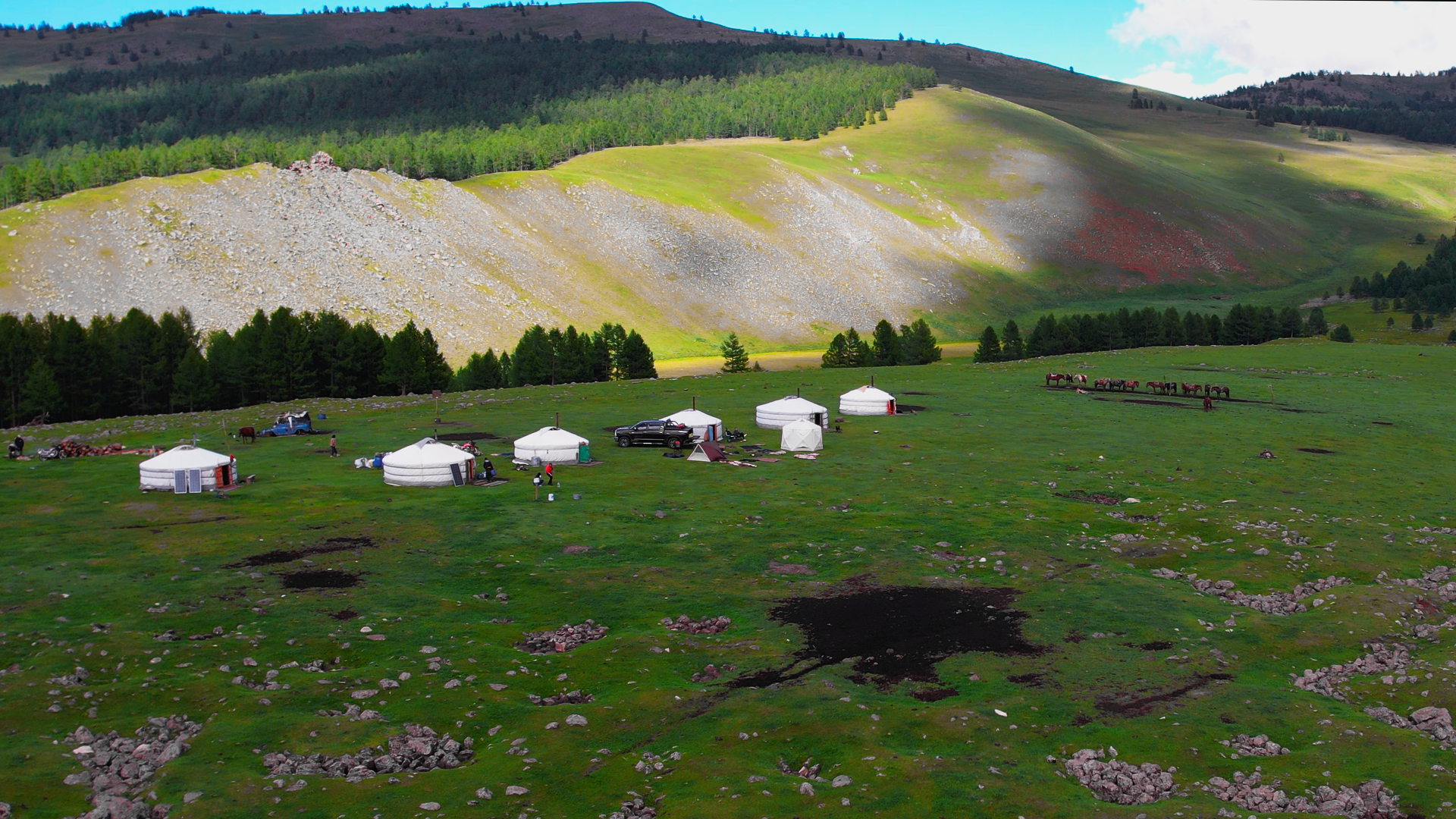
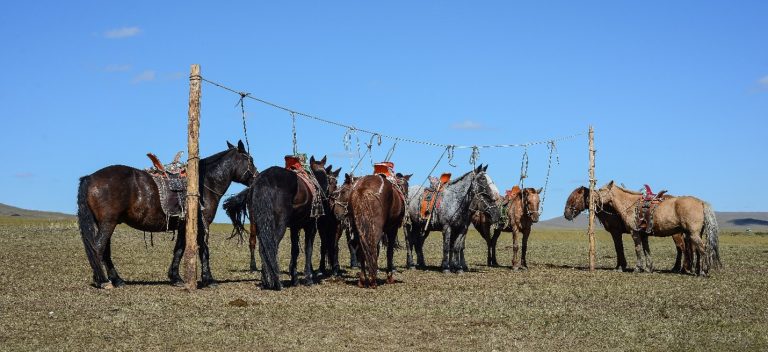
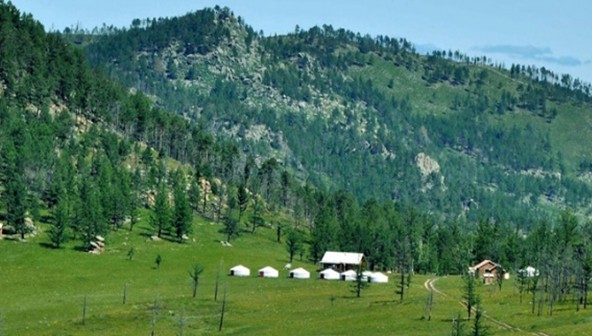
Today will be a full day of driving. We’ll arrive at the horse herder’s family in the evening and prepare for our three-day trek. Pack horses will be arranged to carry your luggage during the trek. Please leave your large suitcases in the van and prepare a smaller bag with everything you’ll need for the next three days of trekking.
Day 8
Trekking to the Eight Lakes
Today we begin trekking to Khuisiin Naiman Nuur (Eight Lakes), formed by volcanic eruptions centuries ago and part of the 11,500-hectare Khuisiin Naiman Nuur Nature Reserve. We will hike in from the northern side. The eight lakes—Shireet, Mukhar, Khaliut, Bugat, Khaya, Duruu, Khuis, and Onon—are located 500 meters to 3 km apart. The area is extremely beautiful, surrounded by conifer-covered mountains and forest clearings full of wildflowers. We will stay at Khuis Lake, the smallest of the eight lakes.
Day 9
Horse trekking to the remaining seven lakes
Today, we will visit the remaining lakes. We will spend the full day horse trekking to the remaining seven lakes and return to Khuis Lake in the evening.
Day 10
Orkhon Valley & Orkhon Waterfall
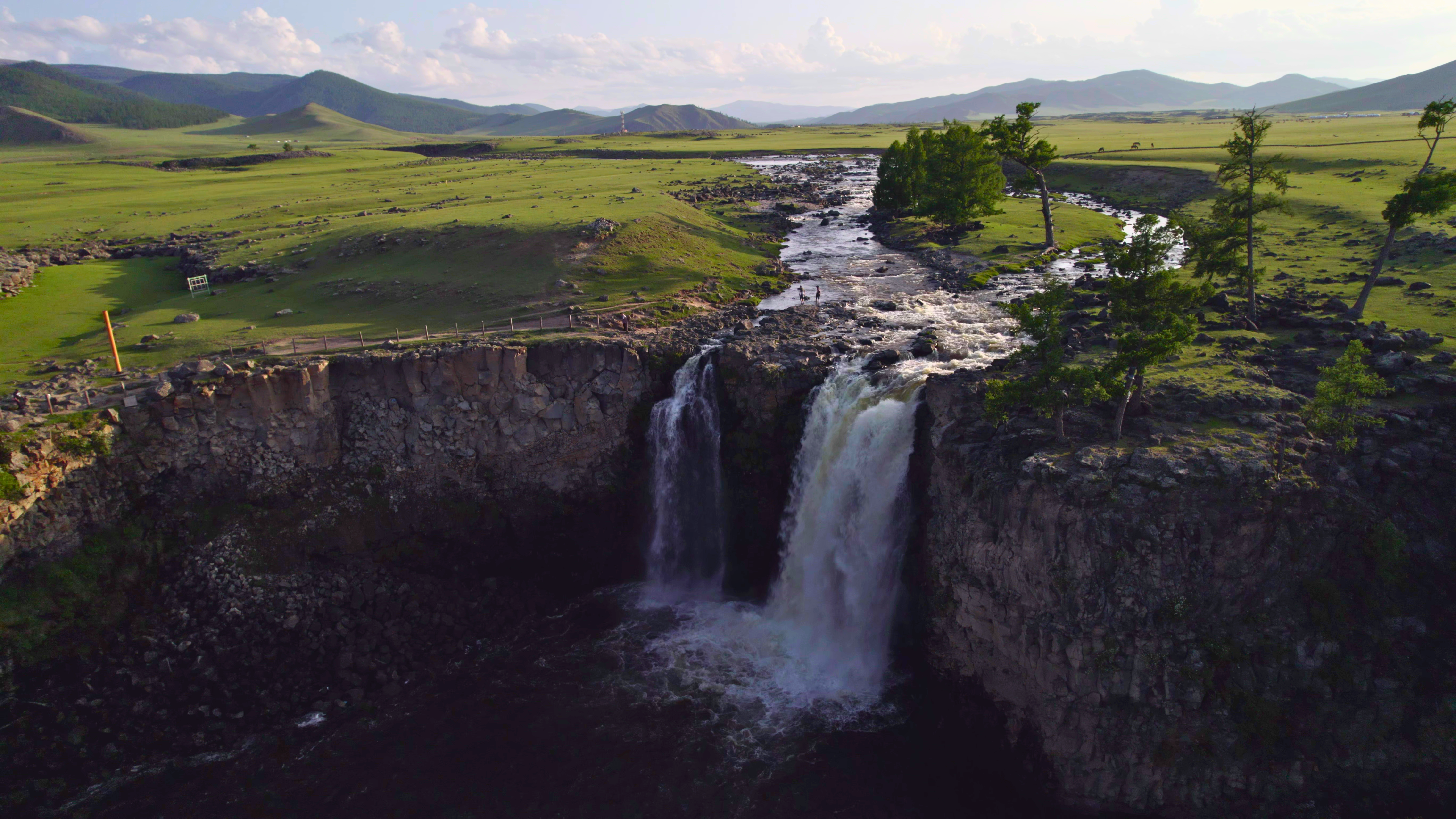
Today, we’ll visit Orkhon Waterfall, one of the largest waterfalls in Mongolia, located in the historic Orkhon Valley, an important region in the history of Central Asia. The surrounding grasslands are still grazed by Mongolian nomadic herders, preserving the region’s traditional pastoral lifestyle. We’ll enjoy a hike around the waterfall and explore the beautiful surrounding landscapes.
Day 11
Kharkhorin & Erdenezuu Monastery
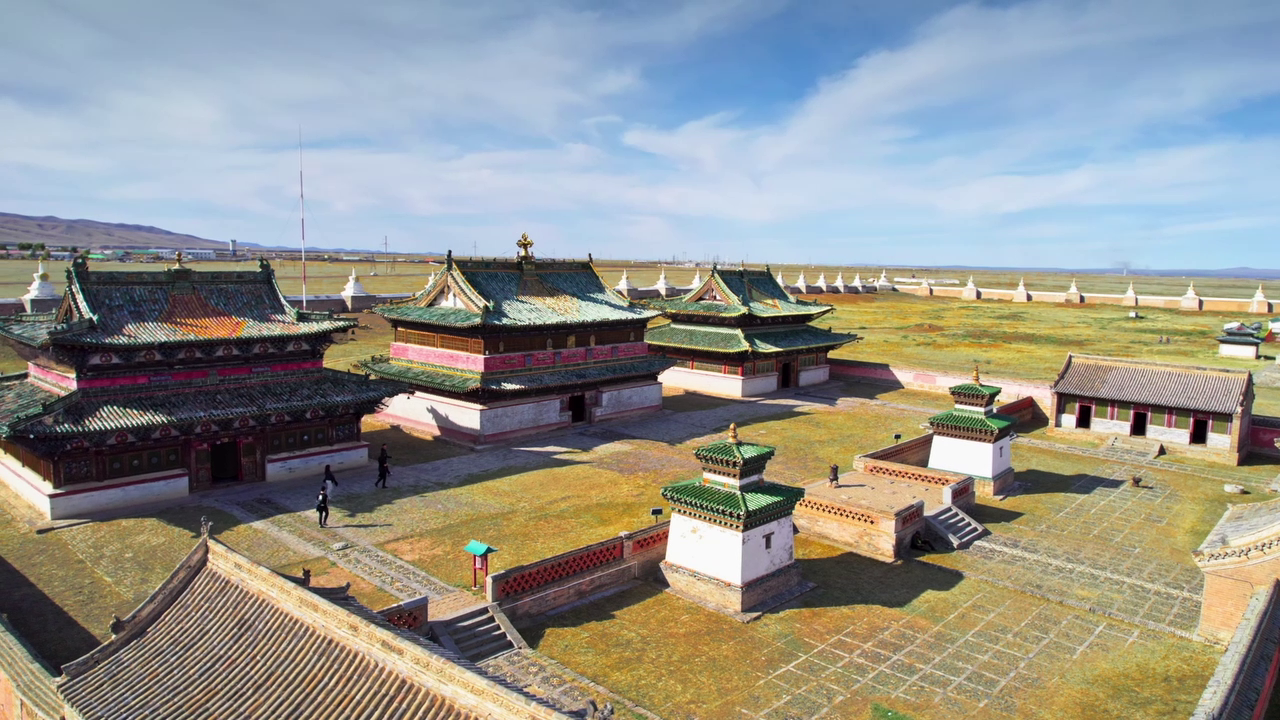
We’ll drive to Mongolian ancient capital, Kharkhorin, Chinggis Khaan's fabled city, founded in 1220 in the Orkhon Valley, at the crossroads of the Silk Road. It was from there that the Mongol Empire was governed until Kubilai Khan moved it to Beijing. It served as the capital for 40 years. Following the move, and the subsequent collapse of the Mongolian empire, Karakorum was abandoned. Whatever was left was used to help build the glorious Erdene Zuu monastery in the 16th century. Nearby, Turkish monuments and rock inscriptions erected in the 8-9th centuries in memory of outstanding fighters for independence.
Day 12
Elsen Tasarkhai (Mini Gobi)
We'll drive to Mount Khogno Khan Nature Reserve in the afternoon. On reaching the mountain after a couple of hours you will arrive at a nomadic family ger in front of this beautifully forested rocky mountain. The mountain is home to hundreds of birds, deer, and gazelle. You'll be able to go hiking around the area or to the small sand dunes nearby called "Elsen tasarkhai.”
Day 13
Ulaanbaatar City Tour
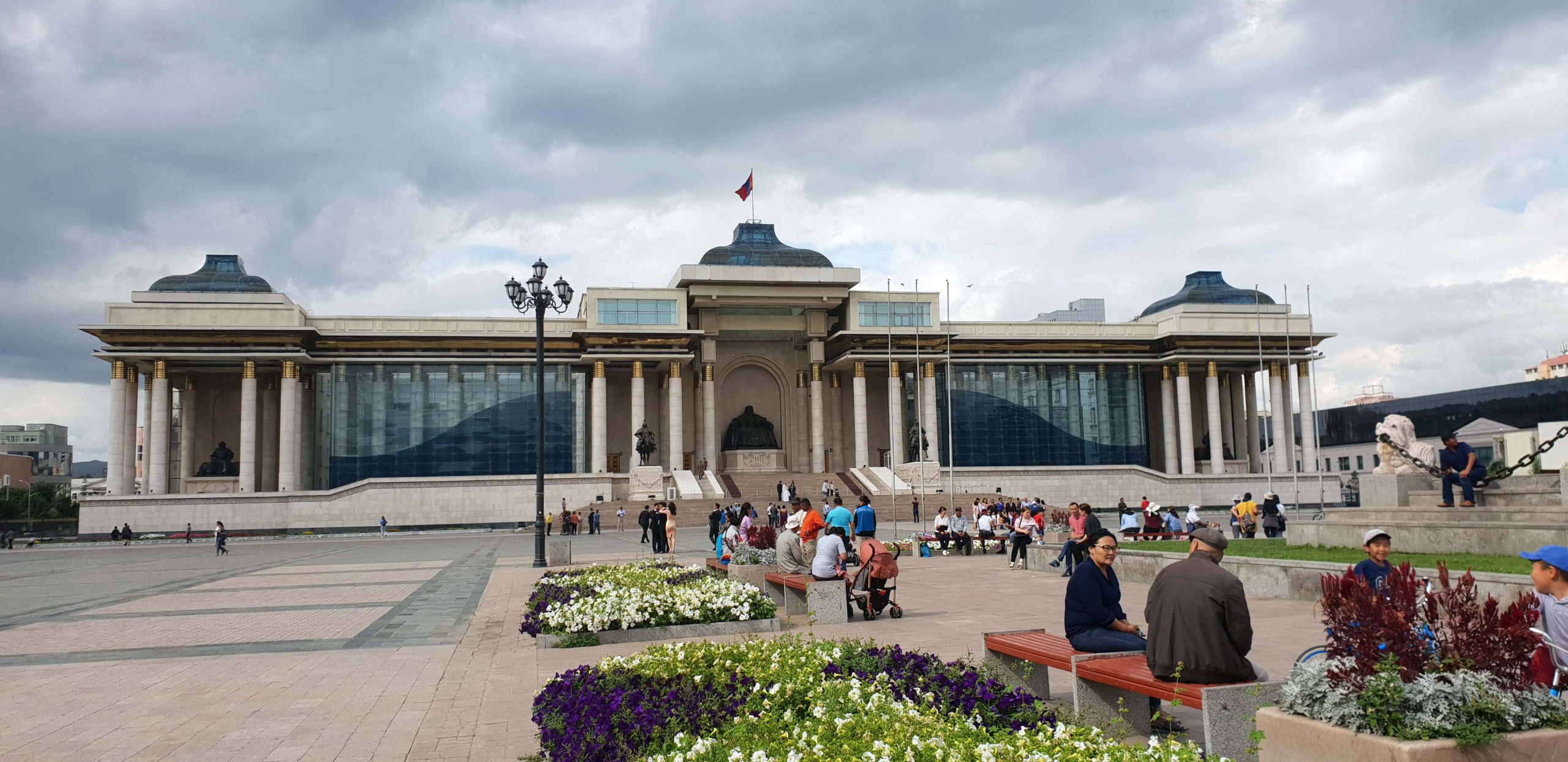
Today, we’ll drive back to Ulaanbaatar. Upon arrival, we’ll visit Gandan Monastery, one of Mongolia’s most important Buddhist monasteries. In the evening, we’ll enjoy a traditional Mongolian cultural performance by the Tumen Ekh Ensemble. The ensemble presents a unique selection of traditional Mongolian performing arts, showcasing the country’s rich cultural heritage through music, singing, and dance. After the performance, we’ll enjoy dinner before returning to our hotel.
Tour Price
ALL PRICE ARE PER PERSON PER DAY
The difference between comfortable tour and budget tour relates primarily to the accommodation type. Within a budget tour all accommodation will be with a nomadic family in their Ger. While a comfortable tour includes accommodation at Ger camps which are similar to a 3-4 star hotel standard. Finally the Mid-Range tour mixes Comfortable and Budget, where you will stay some nights in the traditional Ger with a nomadic family and others in a Ger camp.