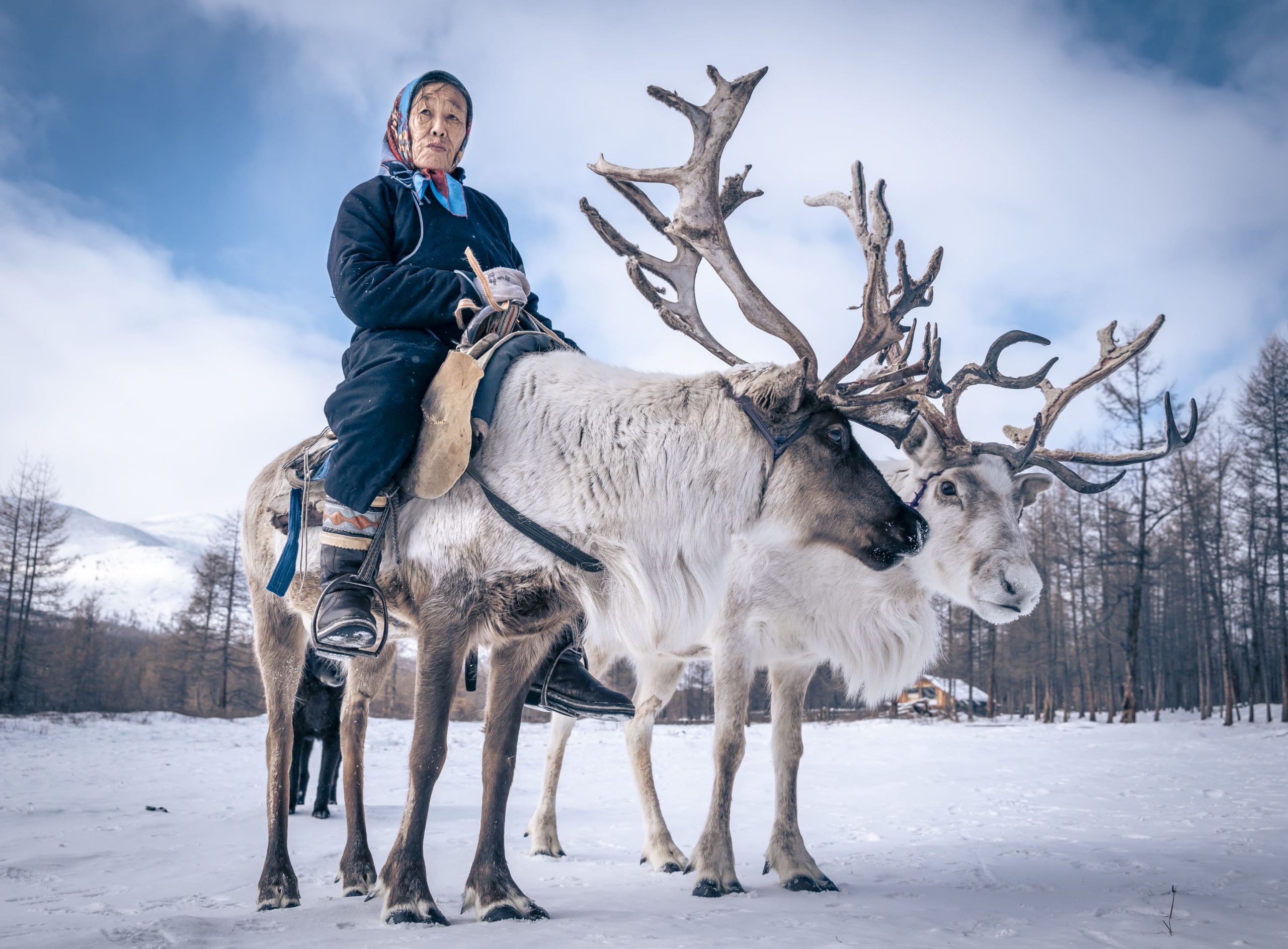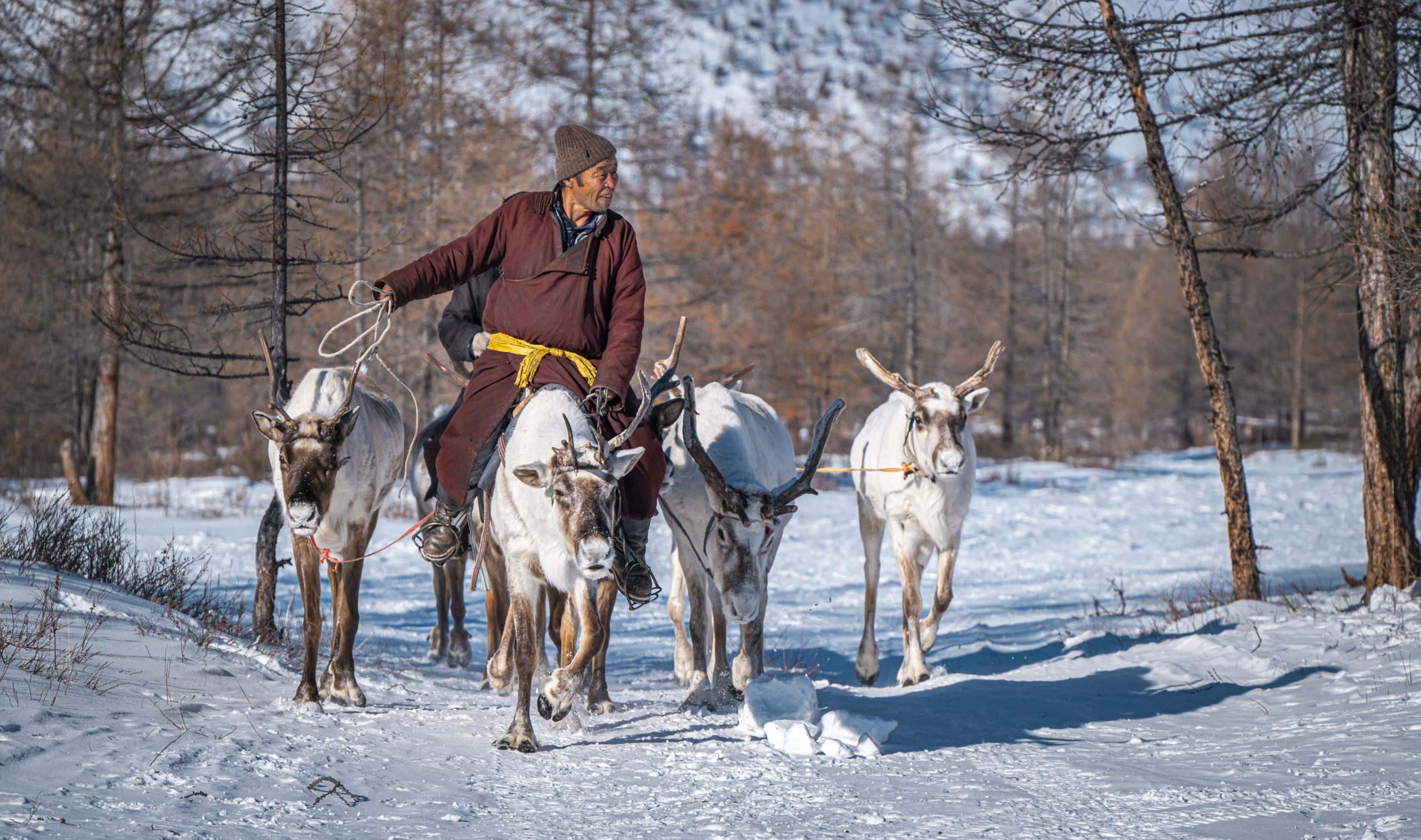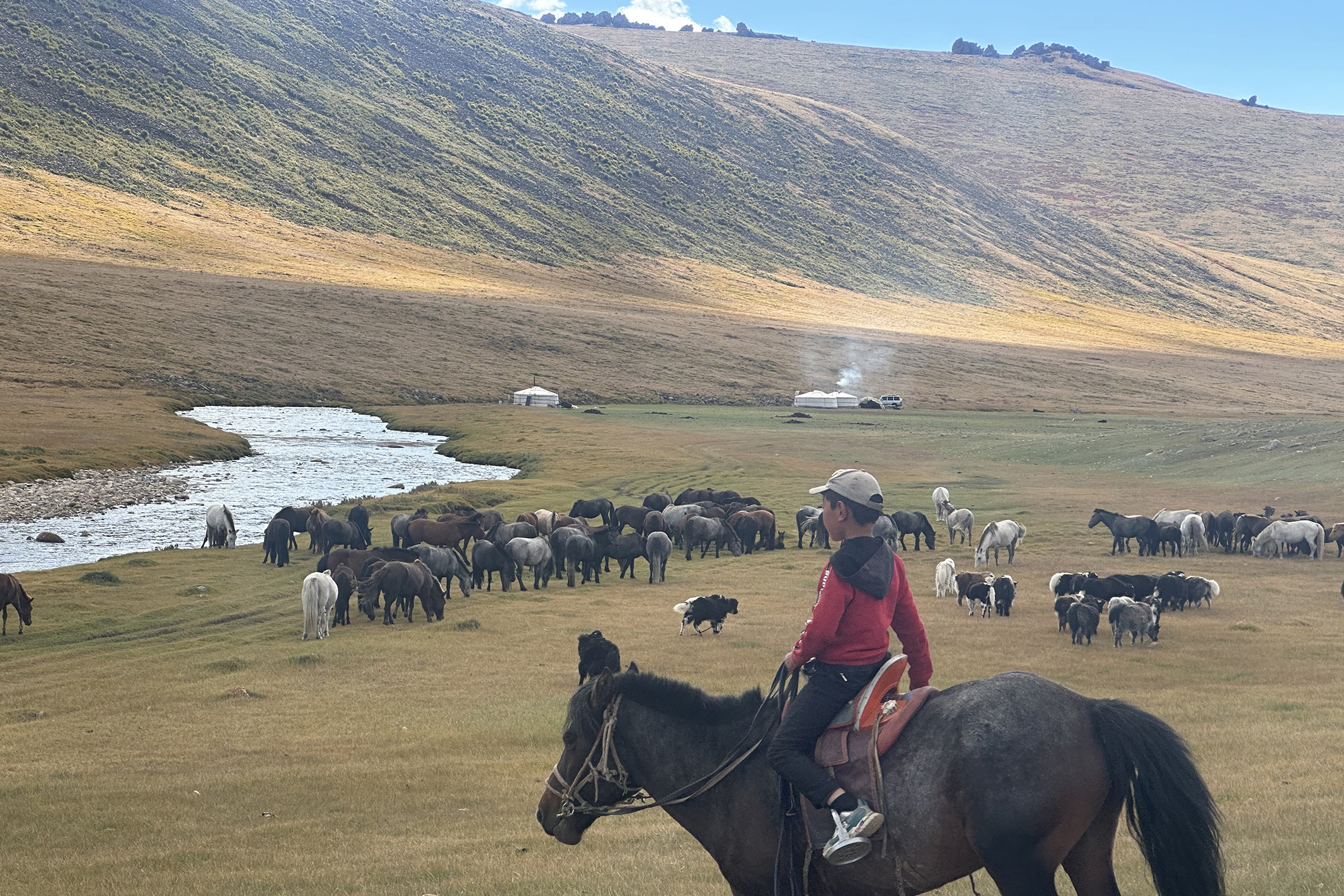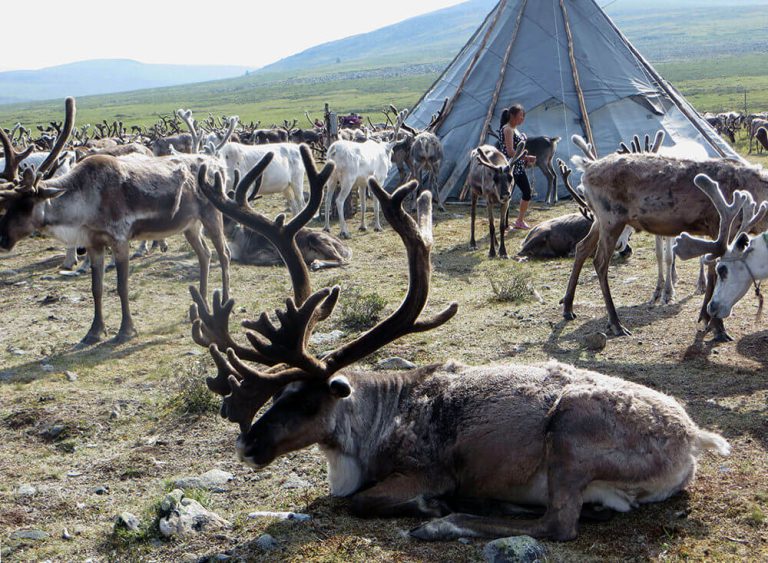
For thousands of years, the Tsaatan people (Dukha people) have lived in northern Mongolia, where reindeer herding is a traditional way of life. Today, they are among the world’s last nomadic reindeer herders. There are approximately 400 Dukha people, living in around 70–80 families in northern Mongolia. The Dukha are divided into two main groups: the Western Taiga and the Eastern Taiga.
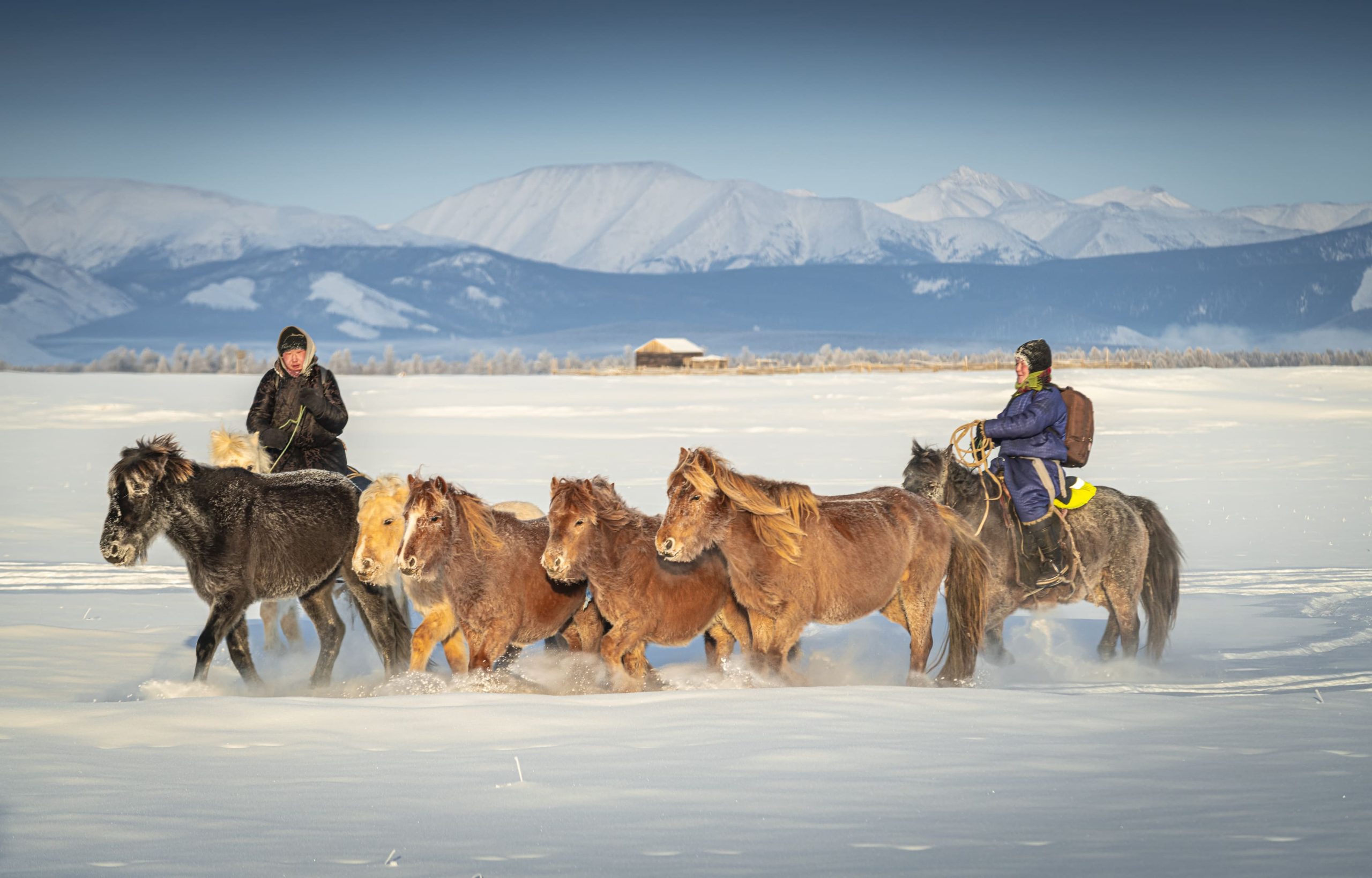
During this winter tour, we will visit one of the northernmost regions of Mongolia, known for being one of the coldest areas in the country, as well as several historically significant sites.
ACCOMMODATION:Yesduration:10-Day, 9-Night Tour Distance:2700 kmgroup size:2-5Tour operator:Idre Tour Mongolia
During this winter tour, we will visit one of the northernmost regions of Mongolia, known for being one of the coldest areas in the country, as well as several historically significant sites.
day 1 - Jan 04
Bulgan Village
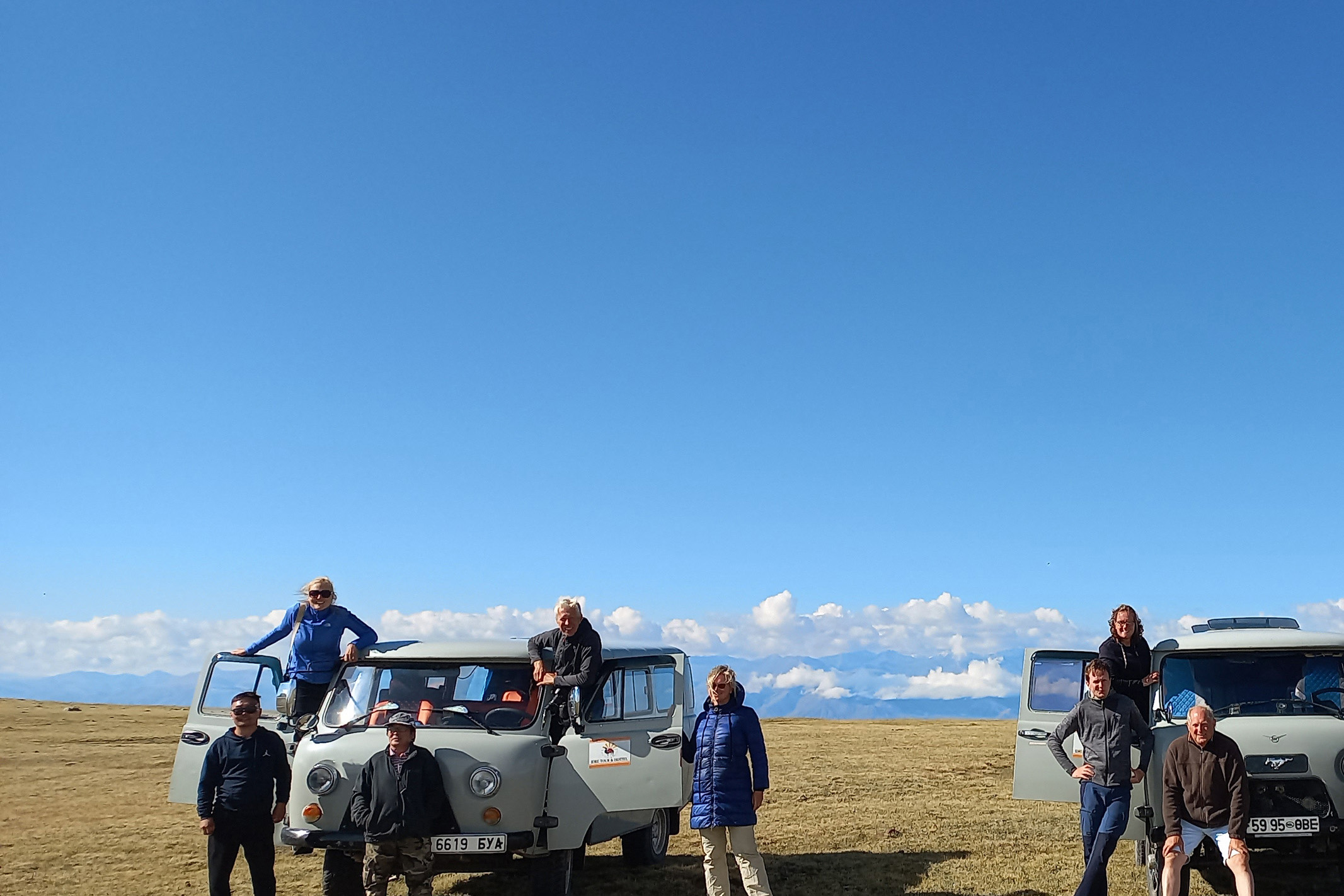
Today, we’ll begin our journey. In total, we’ll drive more than 800 km to reach the reindeer herder’s family, so the first
two days will mainly involve long hours of driving. Today, we’ll drive to Bulgan village, where we’ll spend the night.
Day 2 - Jan 05
Murun Province
In Mongolia’s administrative system, there is a capital city and 21 smaller cities. Murun is one of these smaller cities, where you can experience the local way of life and see how people live in this part of Mongolia.
Day 3 - Jan 06
Ulaan-Uul Village
In Ulaan-Uul Village, you’ll experience the beauty of the winter landscape. On this day, you’ll explore the surrounding nature with your guide.
Day 4 - Jan 07
Reindeer Herders
The reindeer herders of northern Khuvsgul Province are a small but resilient indigenous community dedicated to preserving their traditional way of life and culture despite many challenges. They are known as the Tsaatan, Tsachin, or Dukha people. The reindeer herders are divided into two main groups: the Western Taiga and the Eastern Taiga. We will spend 2 days with reindeer herders.
Day 5 - Jan 08
Reindeer Herders
Day 6 - Jan 09
Khatgal Village
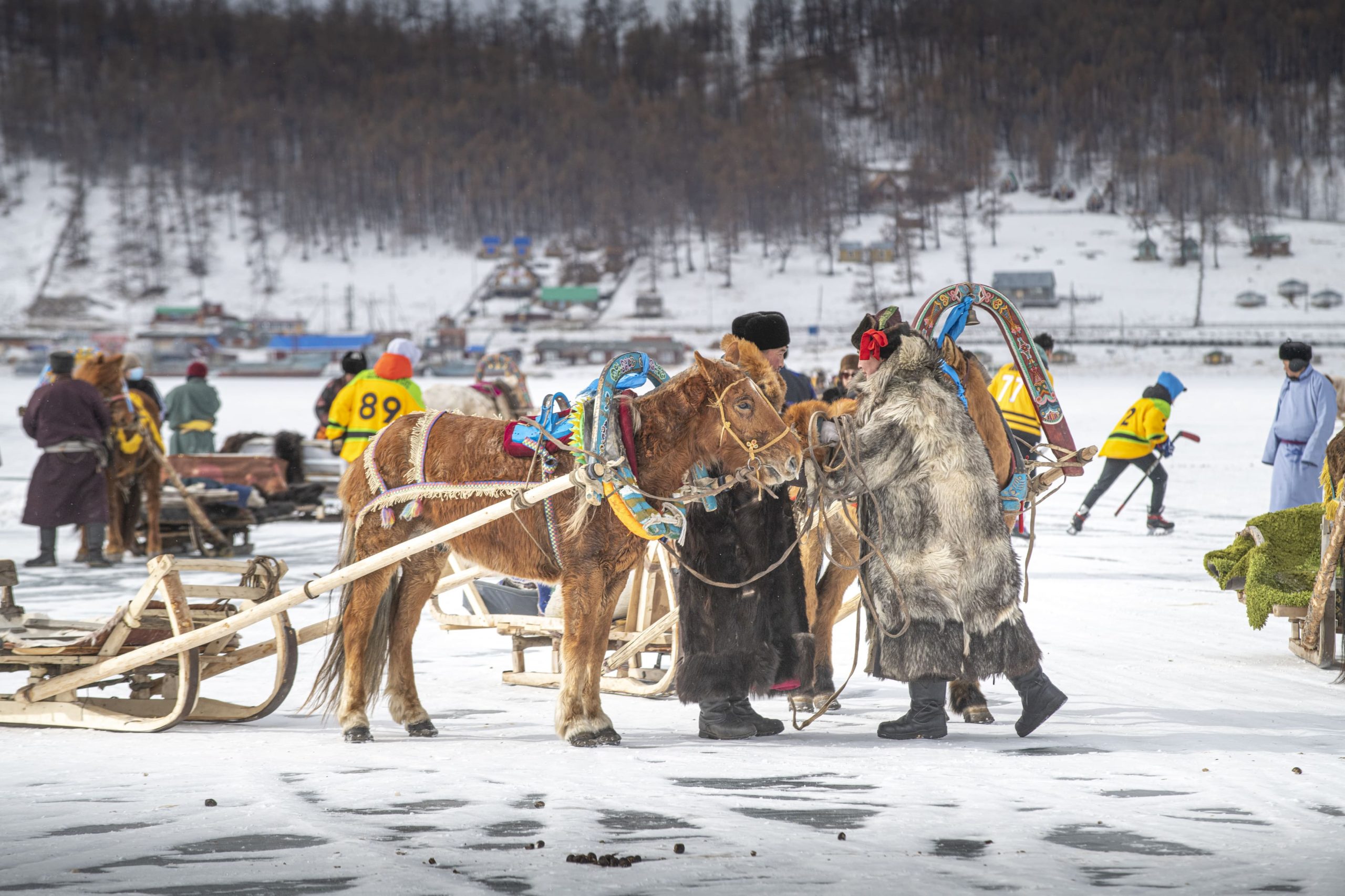
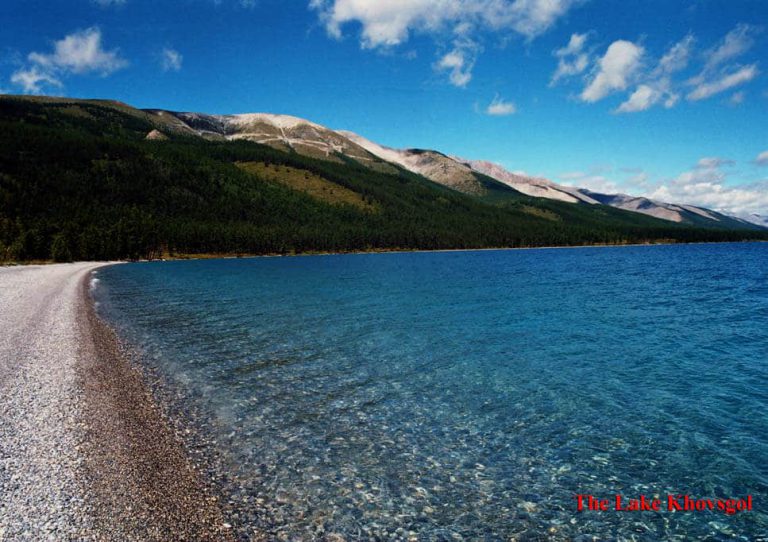
Khatgal is a small village located on the northern shore of Lake Khuvsgul. Lake Khuvsgul is one of Mongolia’s largest
and most spectacular protected natural areas. With approximately 380 cubic kilometers of water, Lake Khuvsgul is the 14th-largest freshwater lake in the world by volume and the second-largest in Central Asia. It contains more than 1% of the world’s freshwater. The lake reaches a maximum depth of 262 meters. Ninety-six rivers and streams flow into Lake Khuvsgul, while only the Egiin River flows out. The Egiin River runs southeast and eventually joins the Selenge River, which flows through one of Mongolia’s most densely populated regions before reaching Lake Baikal.
Day 7 - Jan 10
Bulgan Village
Today, we’ll begin our journey back to Ulaanbaatar. We’ll drive to Bulgan Village, where we’ll spend the night.
Day 8 - Jan 11
Kharkhorin & Erdenezuu Monastery
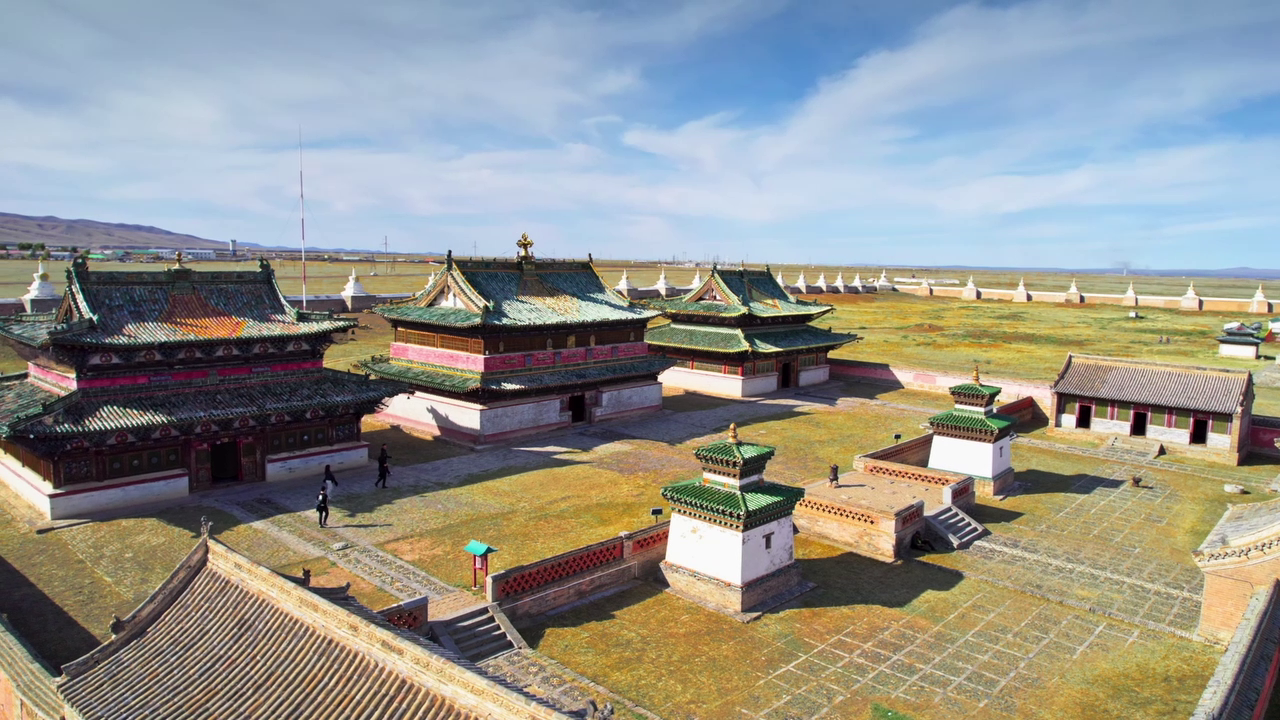
Today, we will drive to Kharkhorin, the ancient capital of the Mongol Empire founded by Chinggis Khaan in 1220. Later,
we will visit Erdene Zuu Monastery, one of the oldest Buddhist monasteries in Mongolia, built in the 16th century using materials from the ancient city ruins.
Day 9 - Jan 12
Elsen Tasarkhai (Mini Gobi)
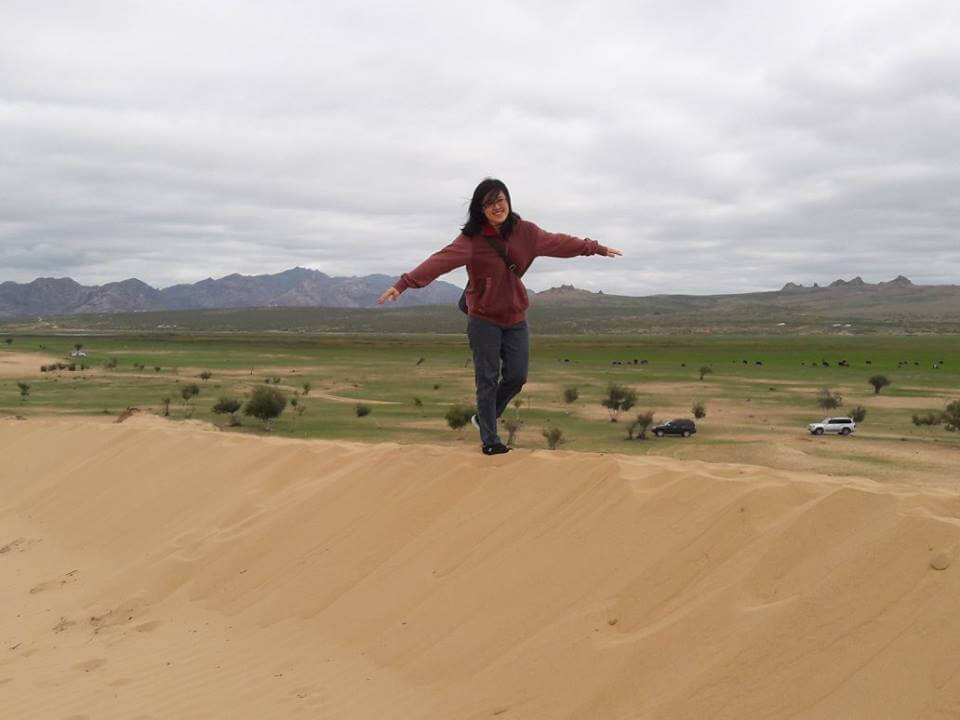
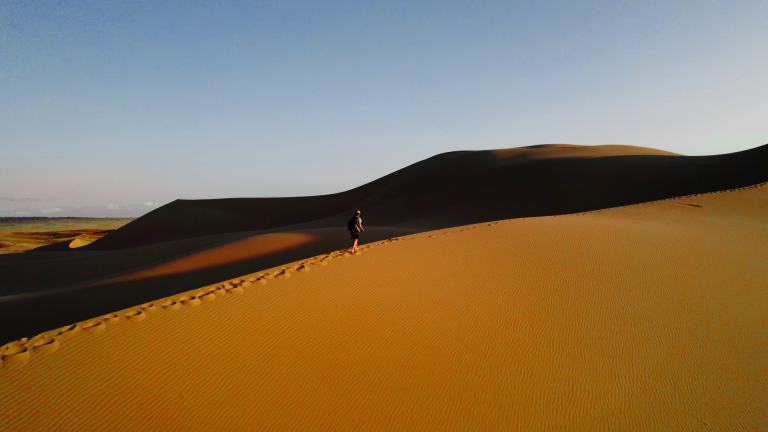
Today we will explore Elsen Tasarkhai, also known as the Mini Gobi, which is located next to Khugnu Khan Mountain. We will hike the sand dunes and, if you wish, enjoy an optional camel ride. The combination of sand dunes, mountains, grasslands, and nomadic culture makes this one of Mongolia's most unique landscapes.
Day 10 - Jan 13
Back to Ulaanbaatar
We’ll drive back to Ulaanbaatar and arrive between 5-6pm.
Tour Price
ALL PRICE ARE PER PERSON PER DAY
The difference between a comfortable tour and budget tour relates primarily to the accommodation type. Within a budget tour all accommodation will be with a nomadic family in their Ger, where they don't have running water. While a comfortable tour includes accommodation at Ger camps which are similar to a 3-4 star hotel standard. Finally the Mid-Range tour mixes Comfortable and Budget, where you will stay some nights in the traditional Ger with a nomadic family and others in a Ger camp.