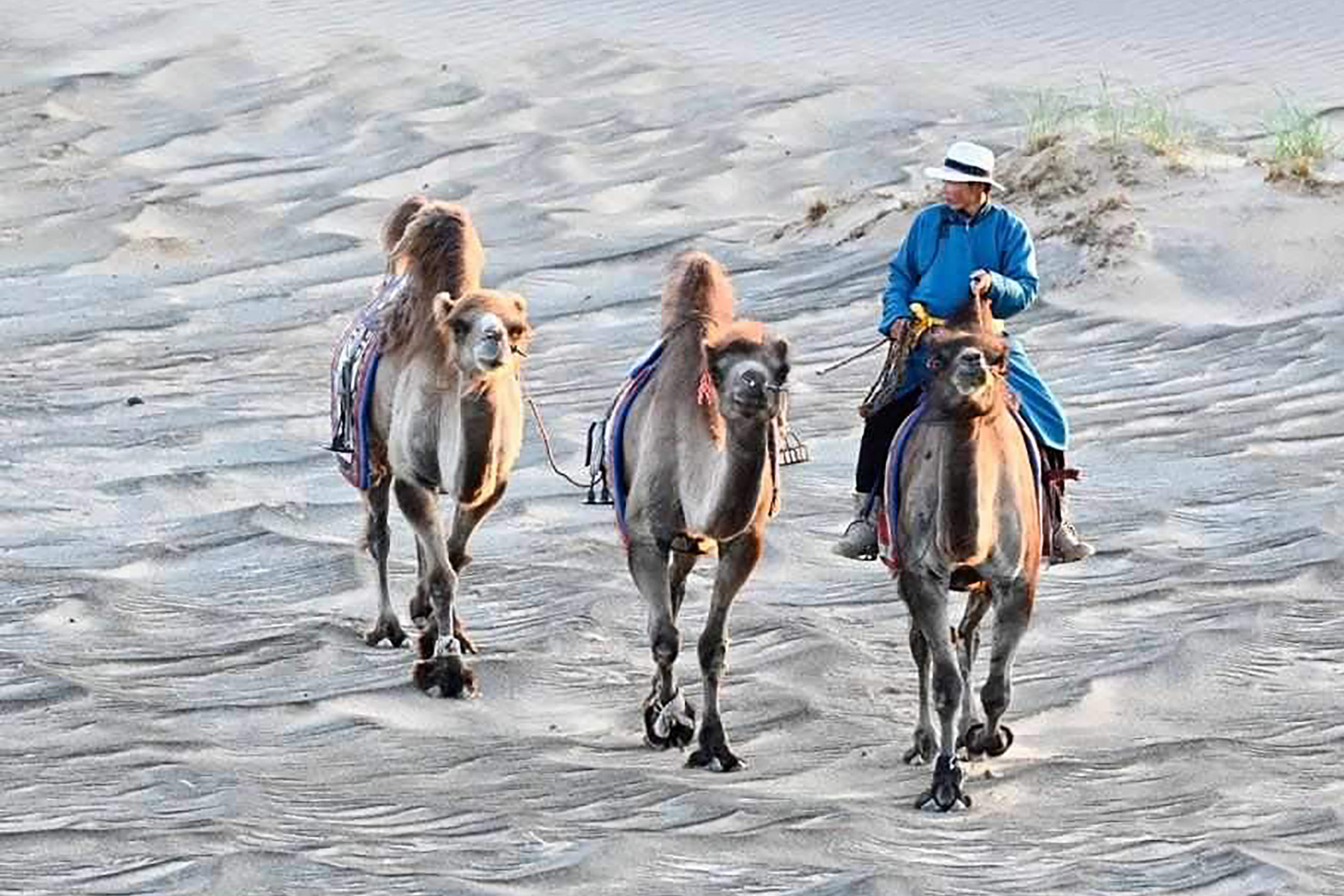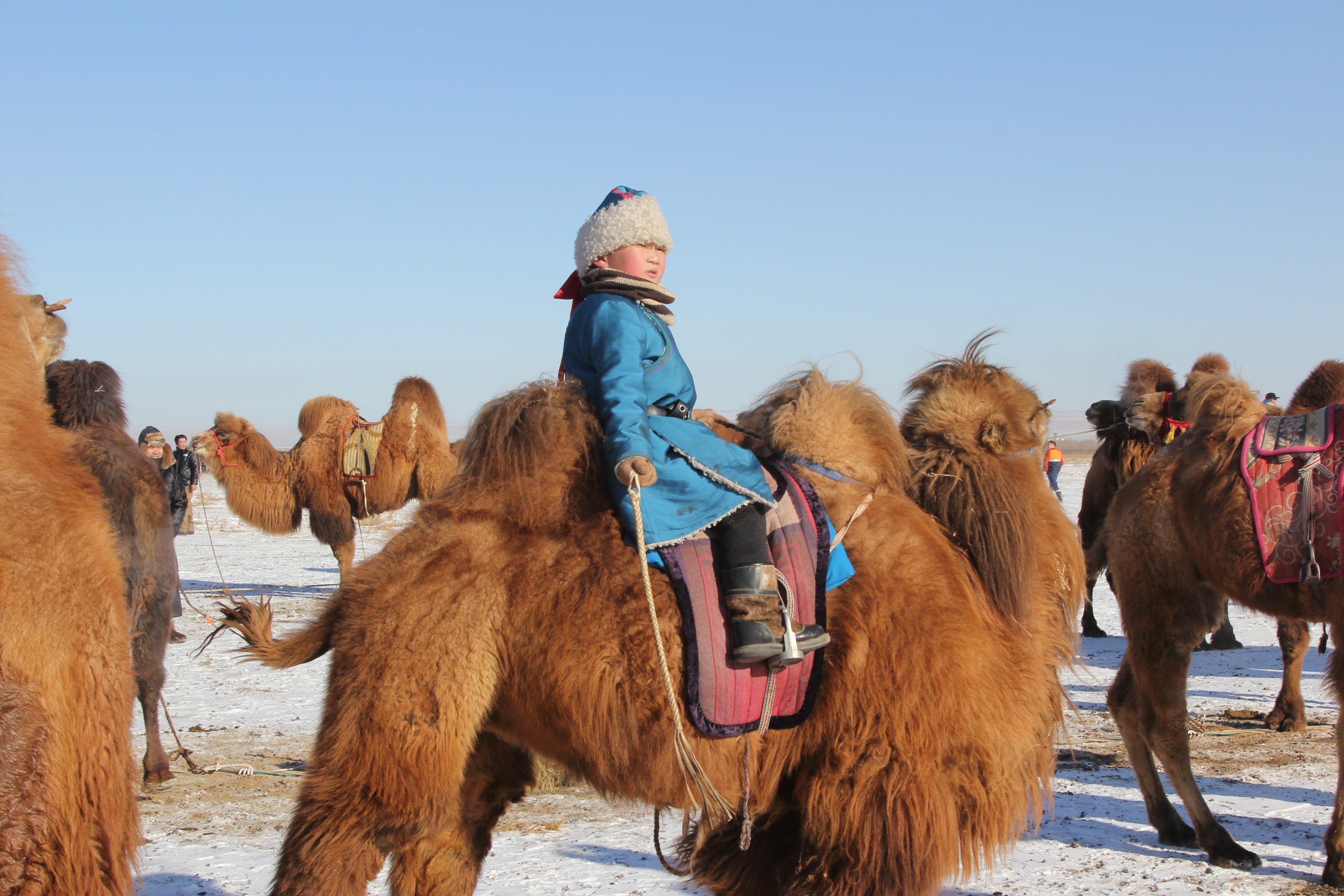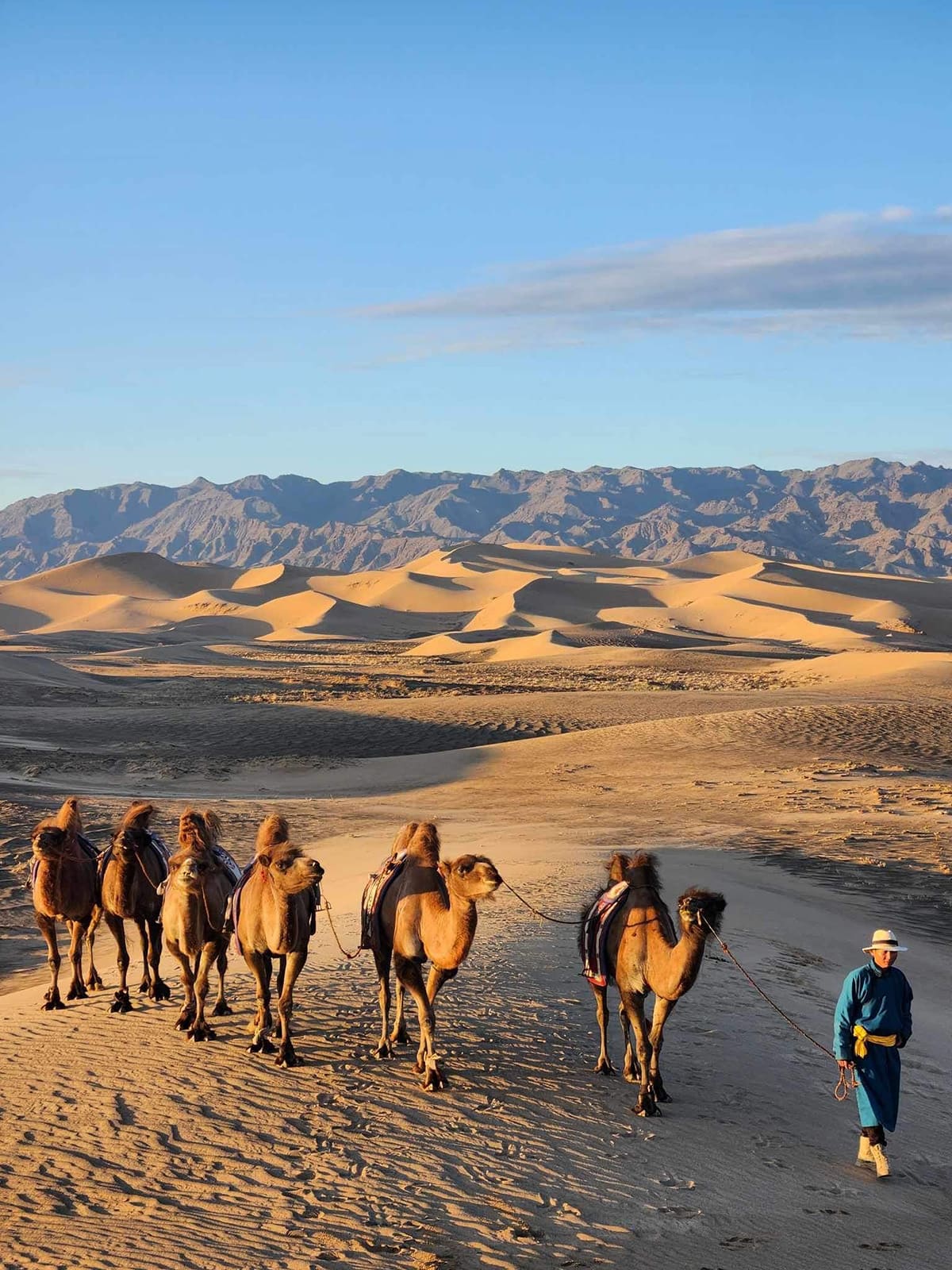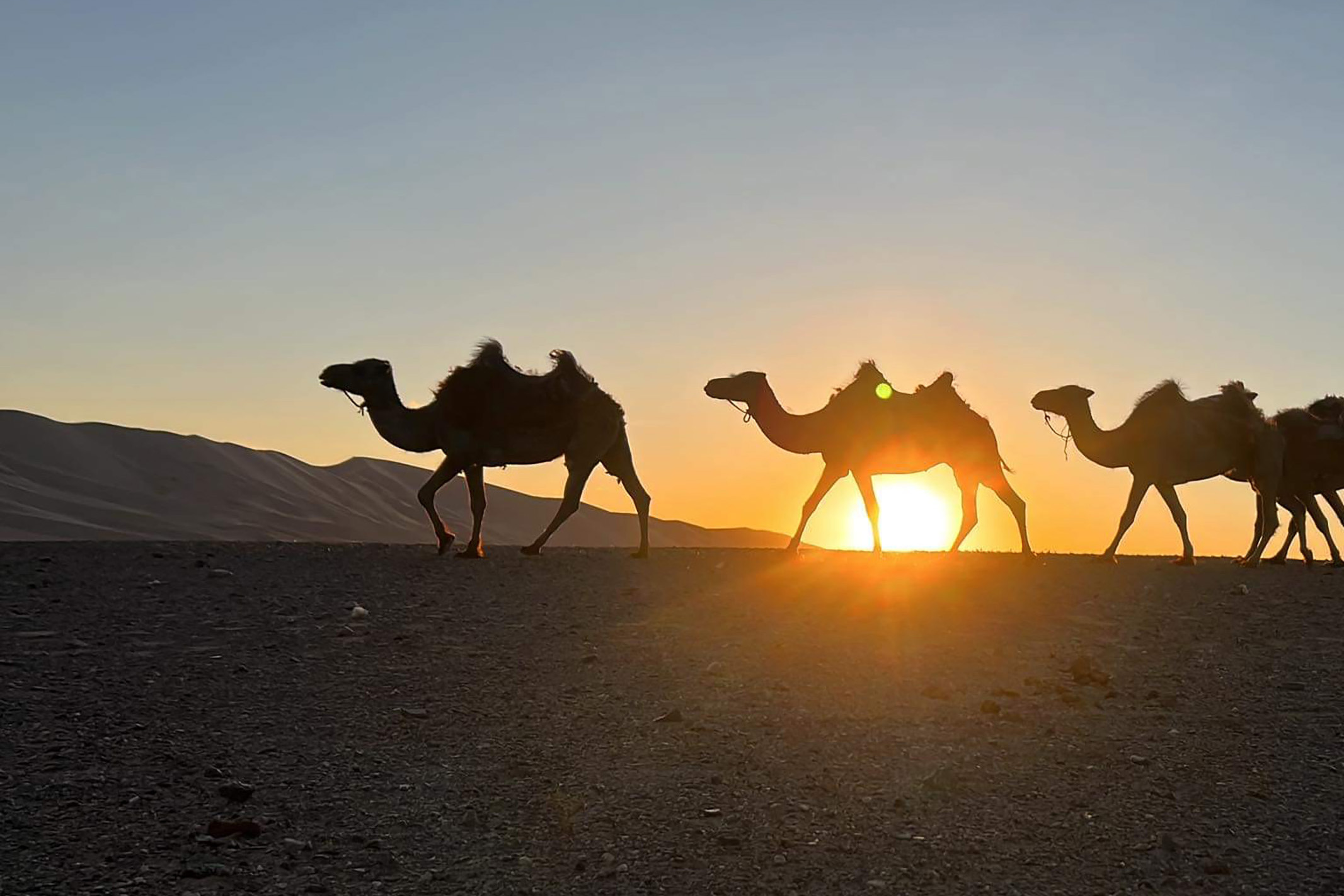
Around 90% of the world’s camels are dromedaries (one-humped camels), while approximately 9.6% are Bactrian camels (two-humped camels). Bactrian camels are found mainly in the northern Gobi of China, Mongolia, Kalmykia, Kazakhstan, and Kyrgyzstan.

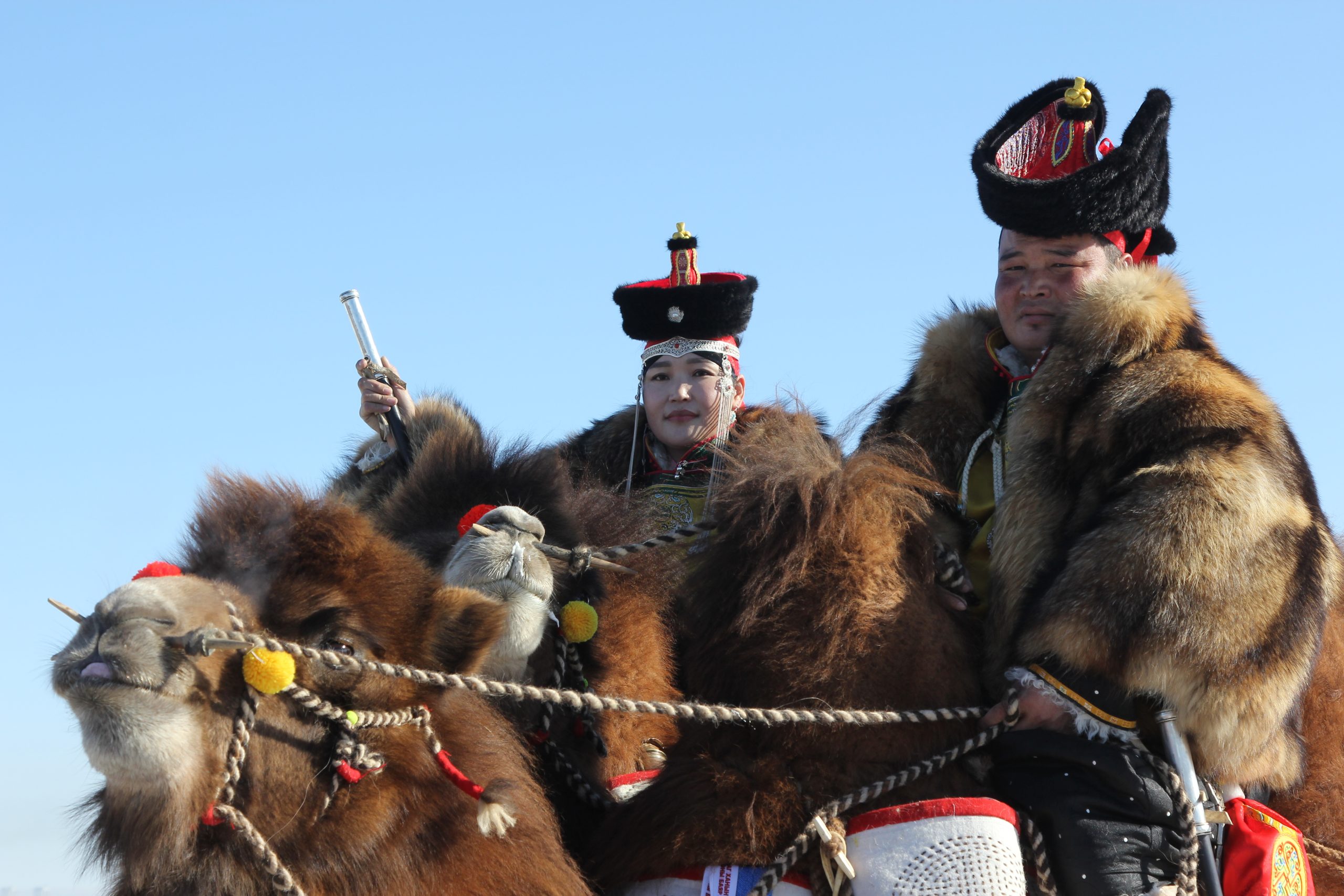
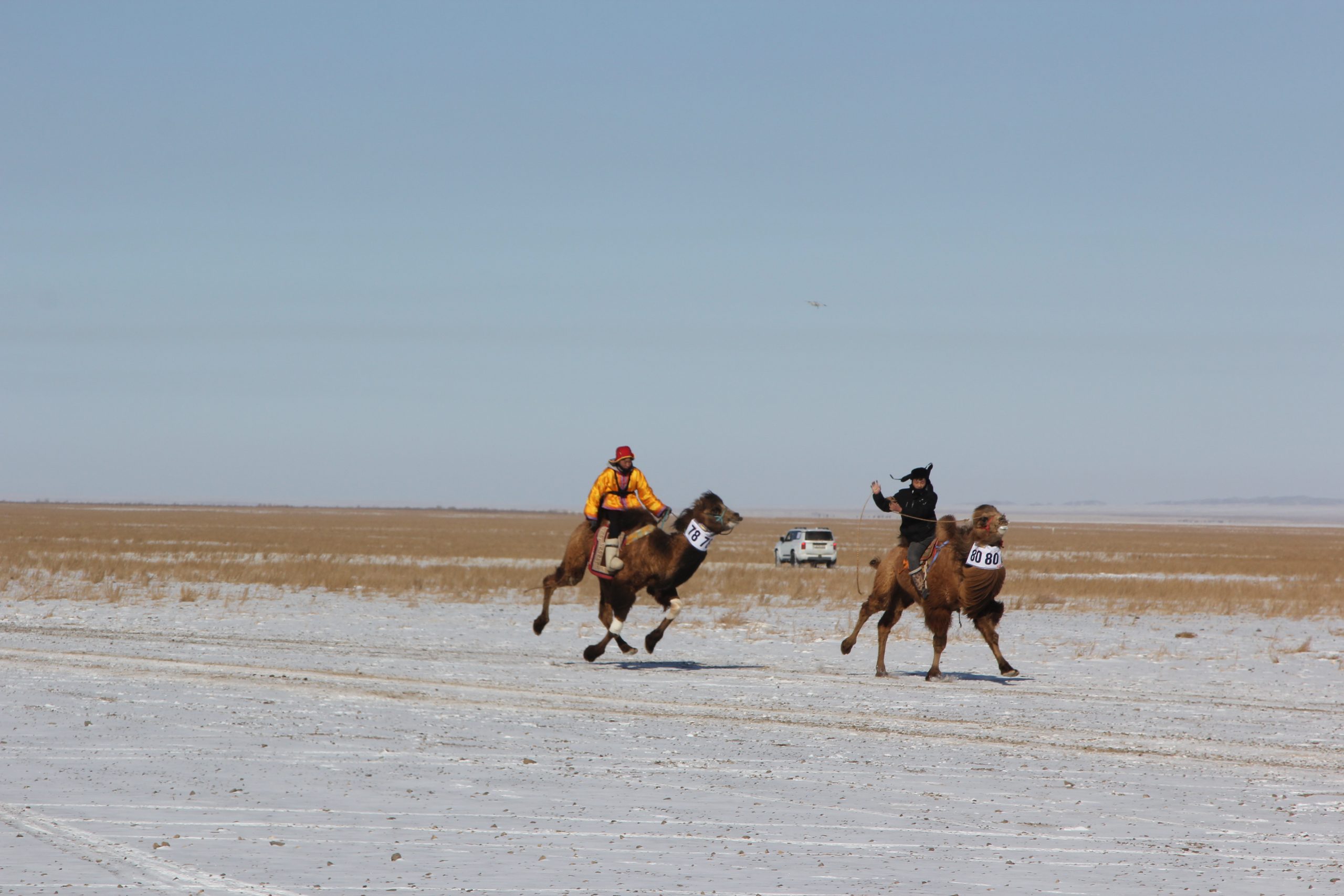
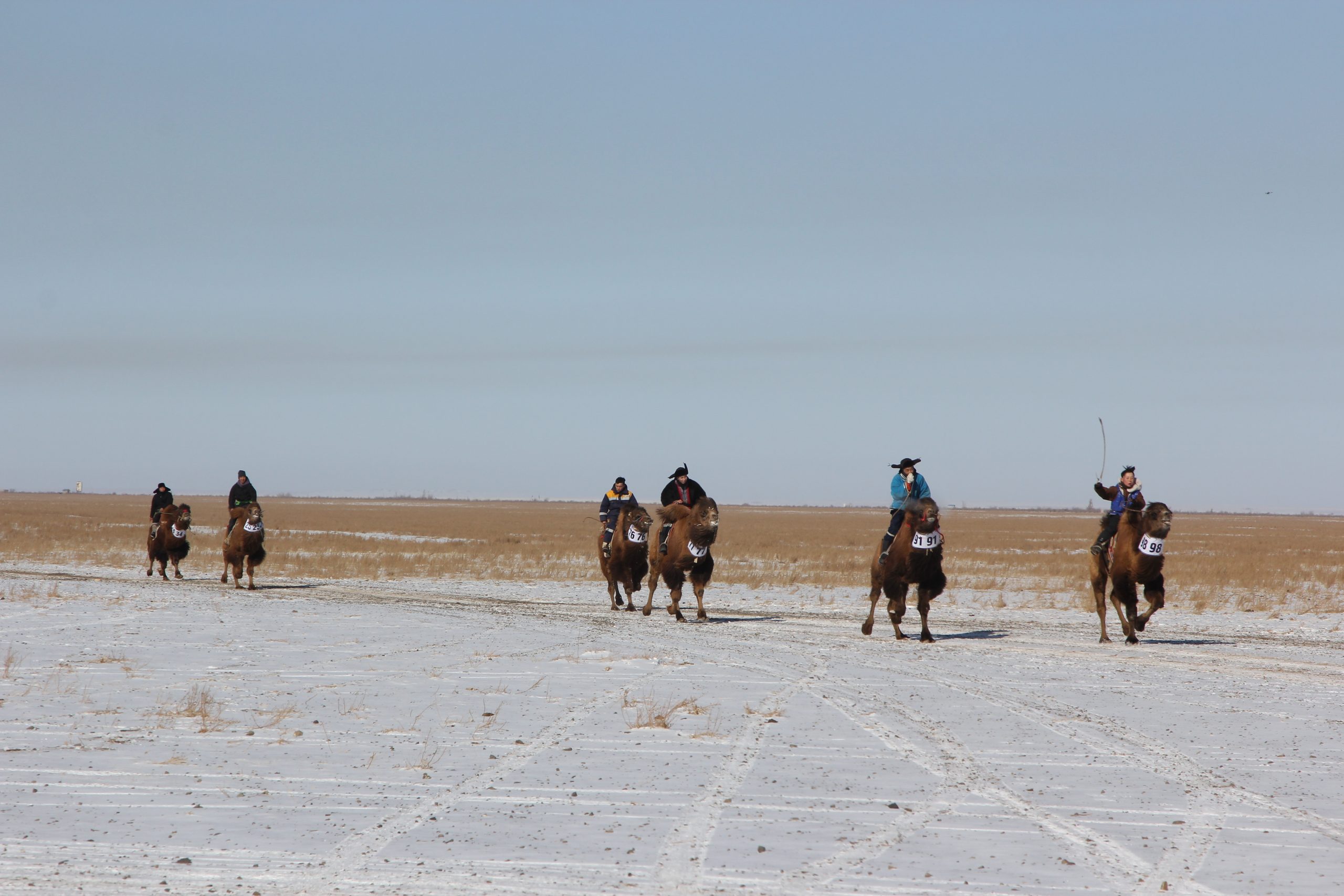
In Mongolia, Bactrian camels are primarily found in the southern part of the country, particularly throughout the Gobi region. During the festival, you can experience a variety of traditional camel competitions and events, including the “Beautiful Camel Couple,” “Best Male Camel,” and “Best Female Camel” contests, along with exciting camel polo matches and young camel races.

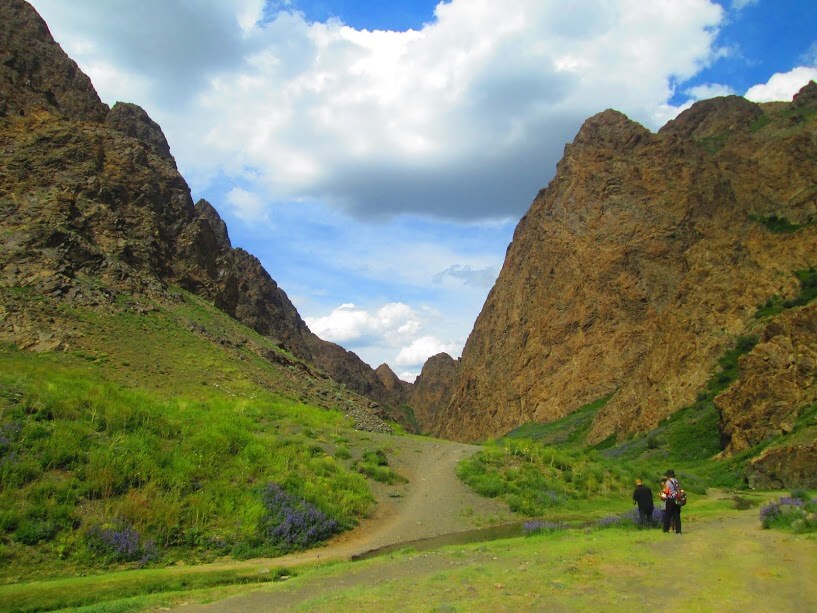
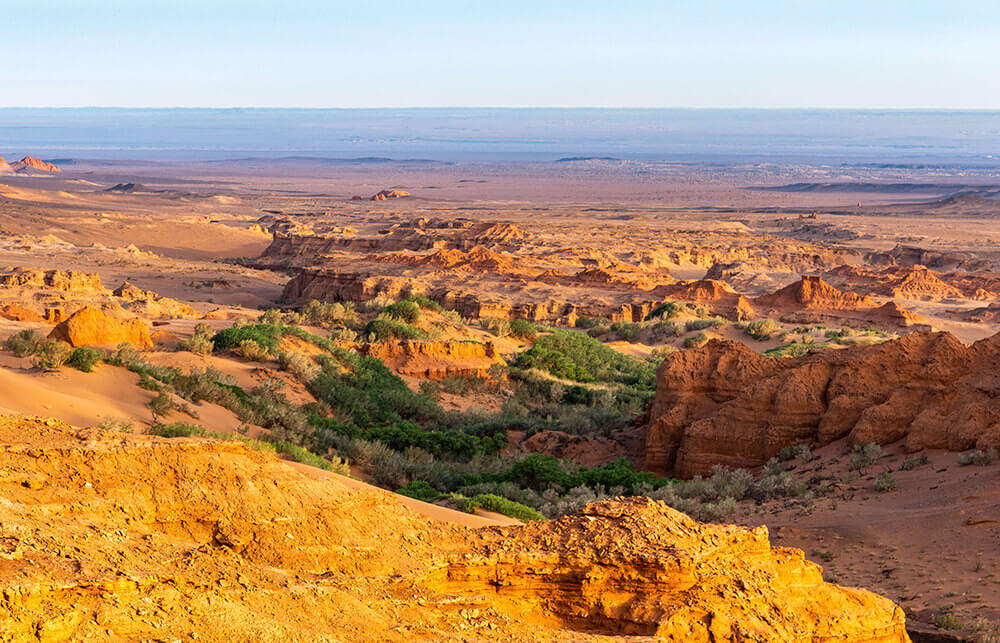
During this journey, you will explore some of the Gobi’s most remarkable landscapes and attractions, including Bayanzag, famous for its dinosaur discoveries; the Khongor Sand Dunes, among the largest sand dunes in Mongolia; and the dramatic Yolyn Am Gorge. You will also have the opportunity to celebrate Tsagaan Sar, Mongolia’s Lunar New Year, with a nomadic family.

accommodation:yes duration:7 days, 6 nights tour distance:2200km group size:1-16 tour operator:idre tour

route

Ulaanbaatar - Dalanzadgad - Bayanzag Flaming Cliffs - Khongor Sand Dune - Yoliin Am Ice Valley - Ulaanbaatar

activities

Attend the Thousand Camel Festival, with camel polo, camel parades and races, traditional performances, and other festival activities. There will also be an opportunity to taste local camel dairy products and visit some of the main attractions of the Gobi Desert.

Day 1 - Jan 29 Dalanzadgad
Today, we will drive south to Dalanzadgad, the center of Umnugobi Province. We will travel approximately 560 km, making this a full day of driving. Upon arrival, we will check into our hotel and have time to rest.
Day 2 - Jan 30 The Thousand Camel Festival - Day 1
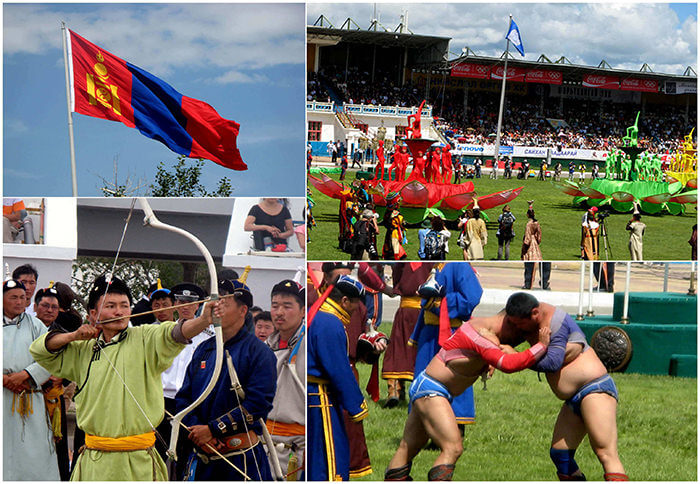
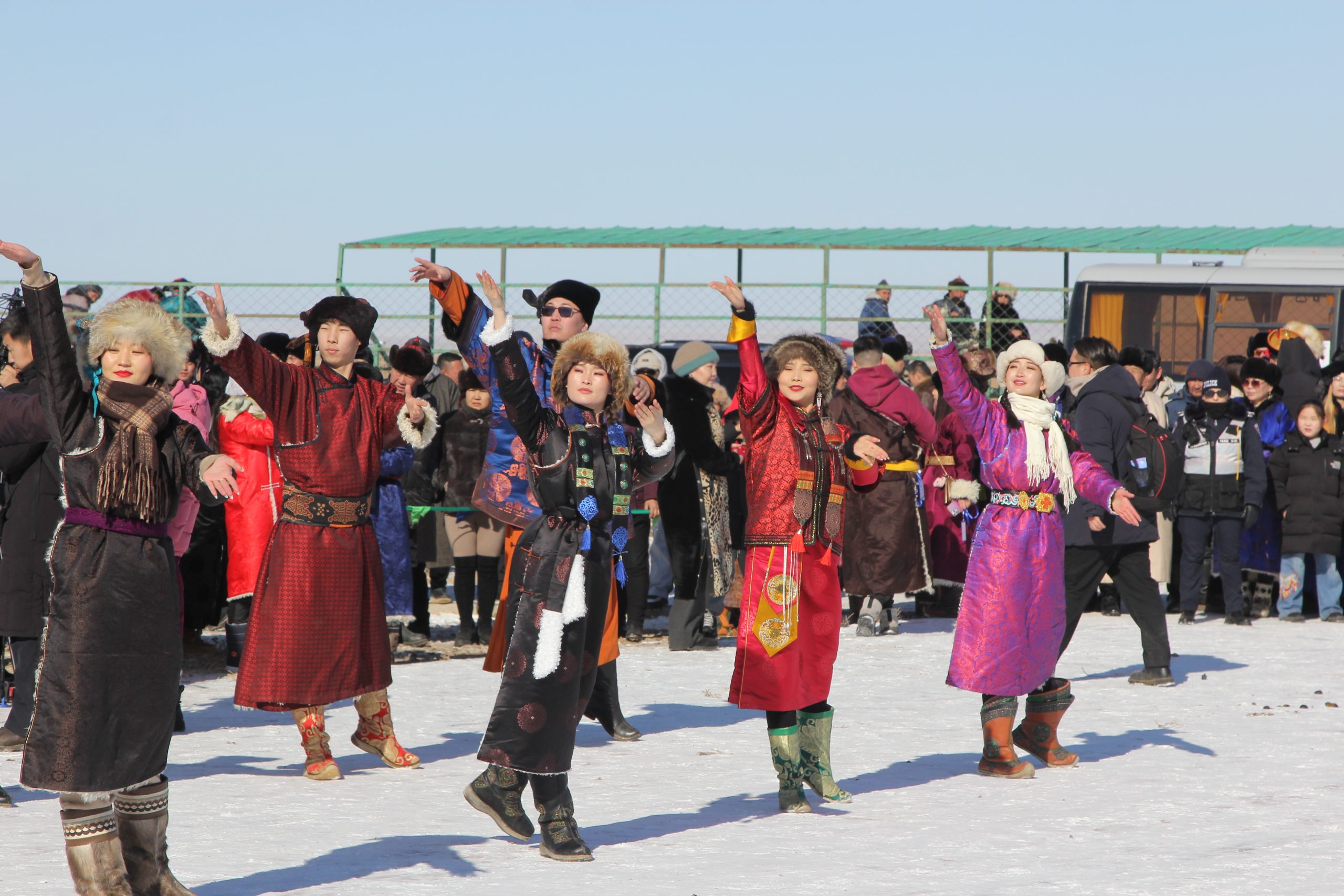
The Thousand Camel Festival is a lively celebration of camel culture and local traditions in the Gobi. The program includes camel polo, camel parades and races, traditional games and competitions, cultural performances, and an evening gathering with local residents. We can also explore local wool products, taste camel dairy products, and experience the traditions and daily life of the Gobi community. The festival concludes with an awards ceremony for the competition winners. We will stay overnight at a hotel.
Day 3 - Jan 31 The Thousand Camel Festival - Day 2
We will spend the second day enjoying the Thousand Camel Festival. We will stay at a hotel.
Day 4 - Feb 01 Yoliin Am Ice Valley
After breakfast, we’ll drive to Yoliin Am in middle of the Gobi desert National Park which is a strictly protected area, covering 70sq.kms. The mountains here are the highest in the Gobi Desert and the rocky scenery is quite interesting, especially between June and July while the ice in a gorge remains. Yolyn Am canyon in the Gurvan Saikhan mountains is home to endangered snow leopard, wild sheep, wild goats and Lammergeyers (Bearded Vulture). We’ll walk 3kms through a narrow valley, then return to the minivan again on the same route. We will stay at a guesthouse.
Day 5 - Feb 02 Khongor Sand Dune
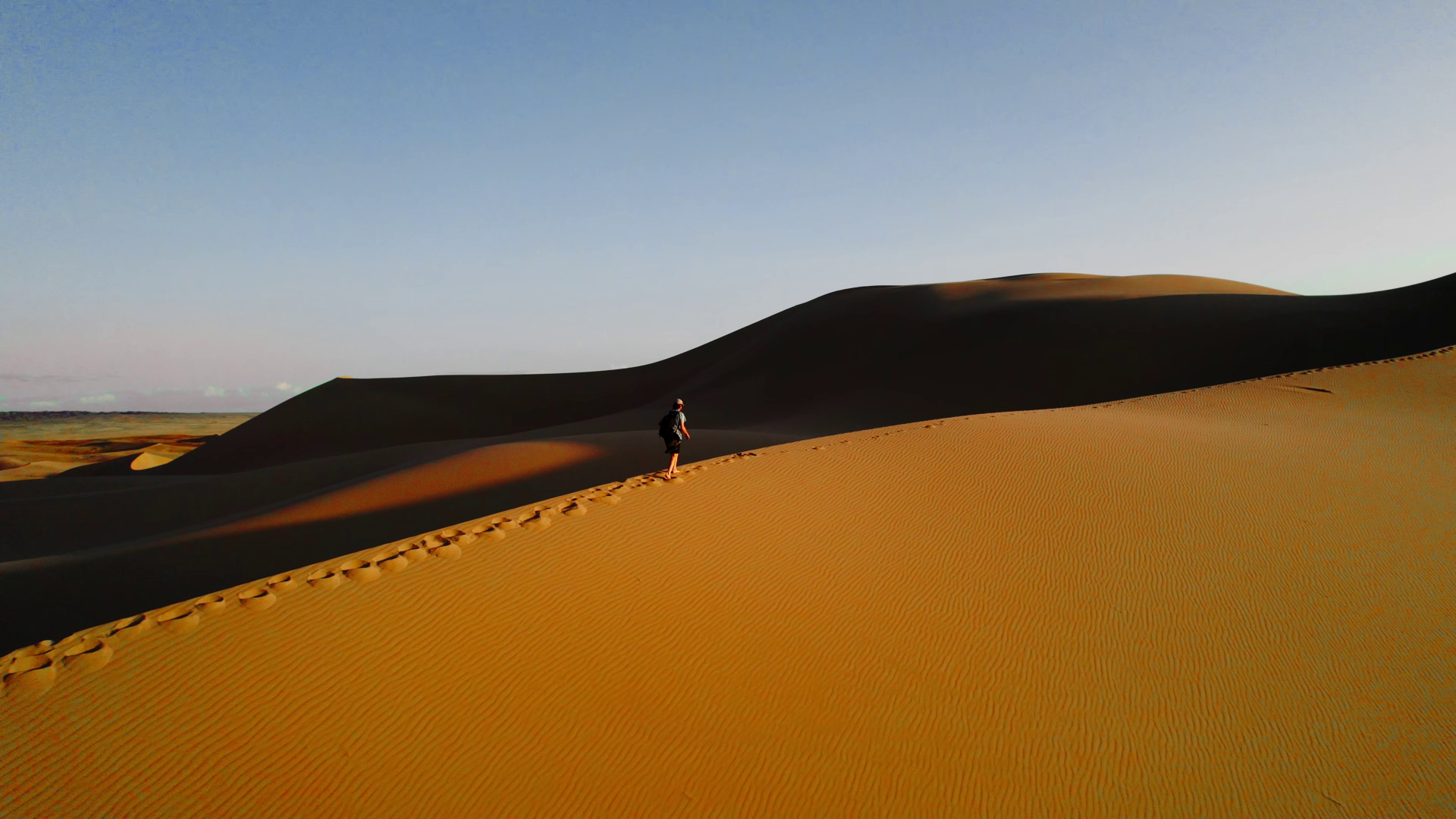
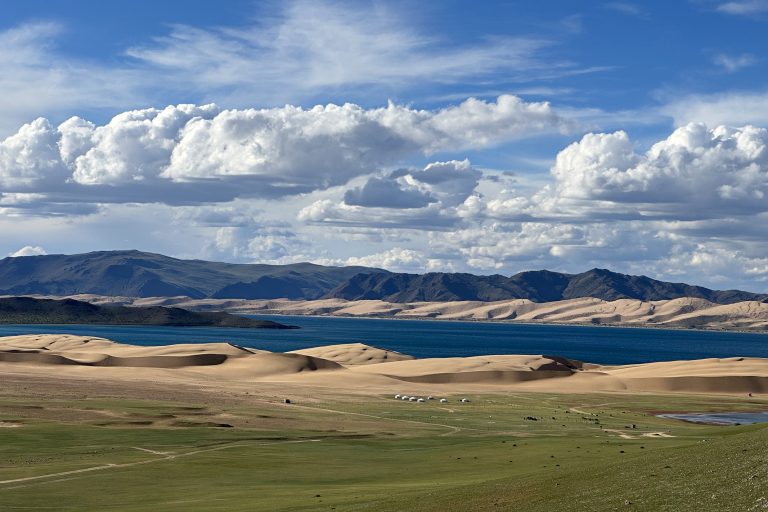
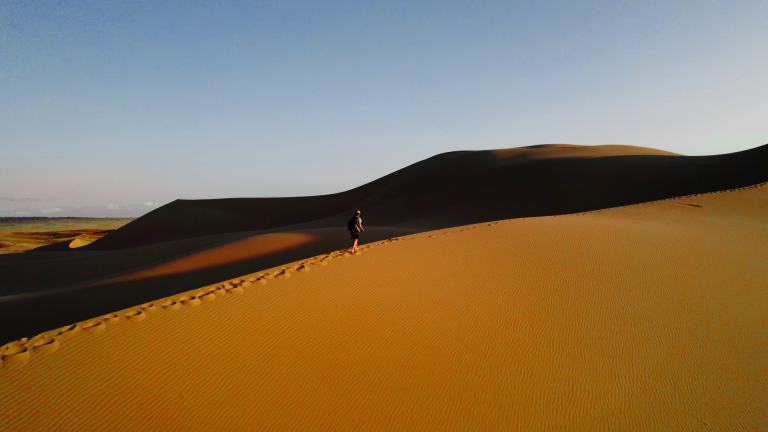
We’ll drive to the Khongoryn Els Sand Dunes. The Khongoryn Els is one of the largest and most spectacular sand dunes in Mongolia. Also known as the Duut Mankhan ”Singing Dunes” from the sound they make when the sand is moved by the wind), they are up to 200m high, 12km wide and about 120km long. We’ll see beautiful views and huge sand dunes.You may also have the chance to see a beautiful sunset in the gobi desert. We will stay at a guesthouse.
Day 6 - Feb 03 Bayanzag Flaming cliffs
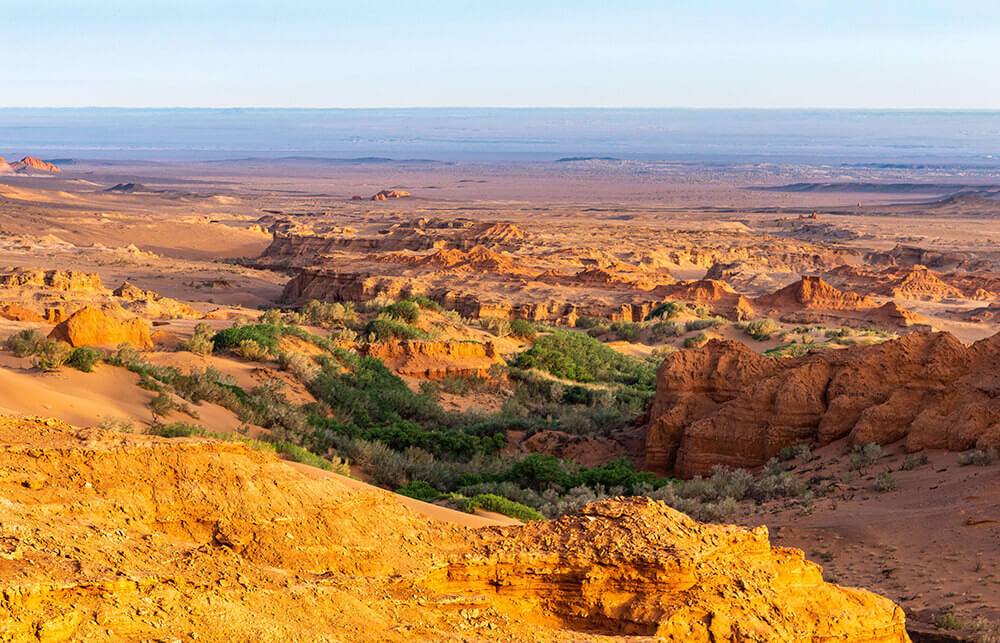
After breakfast, We’ll travel on to Bayan-Zag. Bayan-Zag means “rich in Saxaul Shrubs” it is more commonly known as the “Flaming Cliffs” of Bayan-Zag. The American paleontologist Roy Chapman who visited there in the 1920s has made this place famous as the first discovery of dinosaur fossils in Mongolia. This is also a beautiful location at sunset. We will stay overnight at a guesthouse.
Day 7 - Feb 04 Ongi Monastery
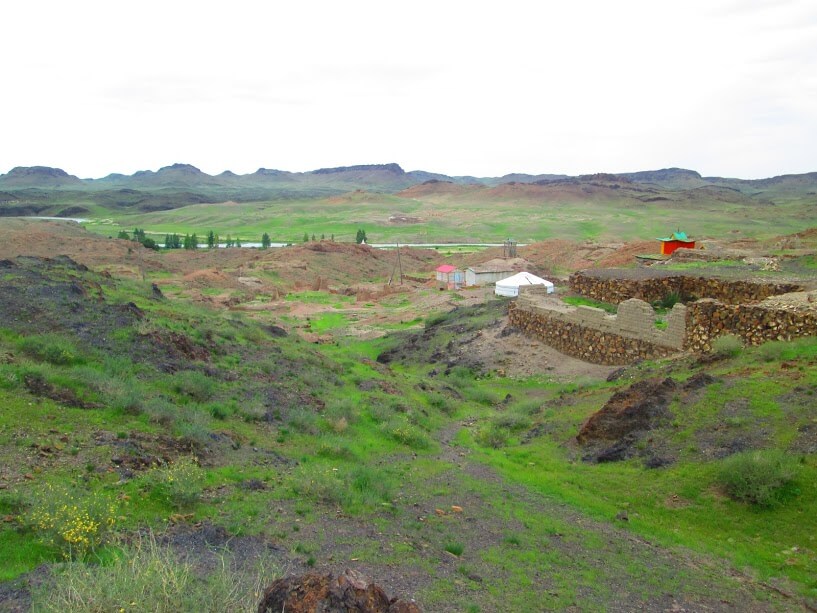
We’ll drive on to Ongyn hiid, where you can see the ruins of a big monastery on the bank of the Ongiin River. This monastery has 28 temples and other buildings on the southern slope of the Rocky Mountain like Balsa country and stupas which are not broken. This monastery had about 1000 lamas and it was destroyed during the Stalinist purges in 1930s. The Ongyn hiid was one of the biggest temples in Gobi desert.
Day 8 - Feb 05 Kharkhorin & Erdenezuu Monastery
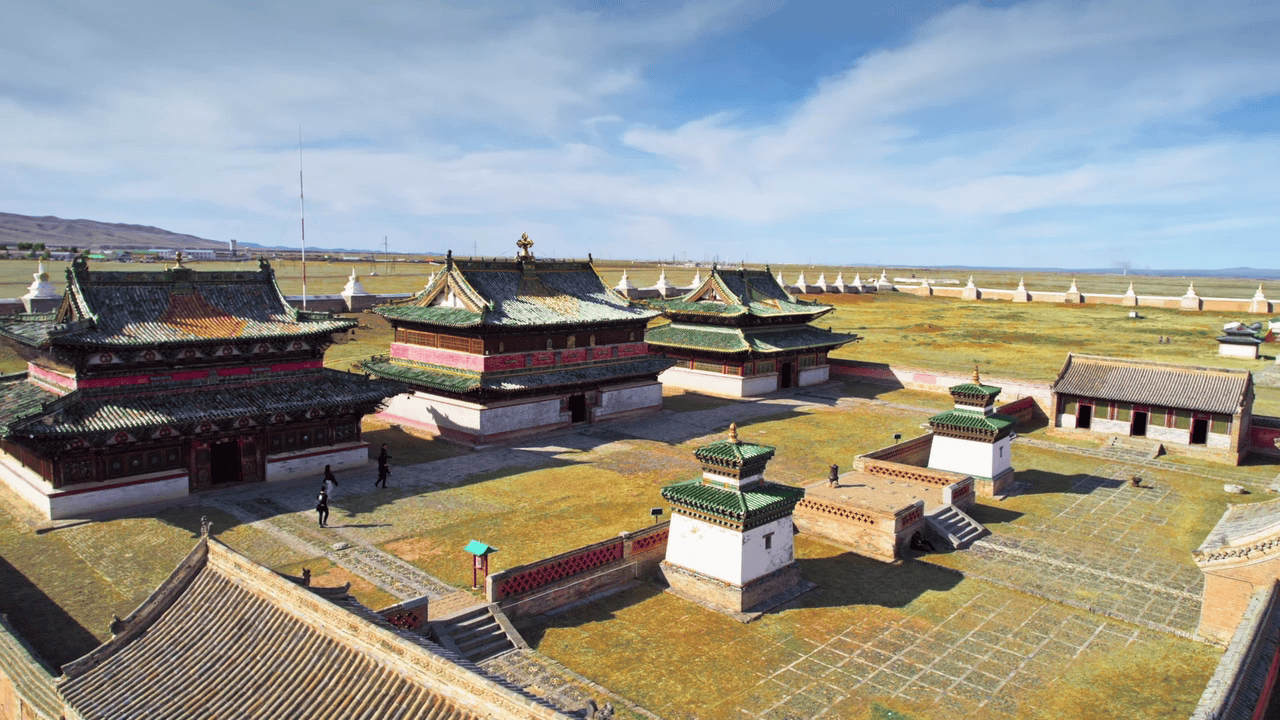
We’ll drive to Mongolian ancient capital, Kharkhorin, Chinggis Khaan's fabled city, founded in 1220 in the Orkhon Valley, at the crossroads of the Silk Road. It was from there that the Mongol Empire was governed until Kubilai Khan moved it to Beijing. It served as the capital for 40 years. Following the move, and the subsequent collapse of the Mongolian empire, Karakorum was abandoned. Whatever was left was used to help build the glorious Erdene Zuu monastery in the 16th century. Nearby, Turkish monuments and rock inscriptions erected in the 8-9th centuries in memory of outstanding fighters for independence.
Day 9 - Feb 06 Elsen Tasarkhai (Mini Gobi) - Nomadic Family
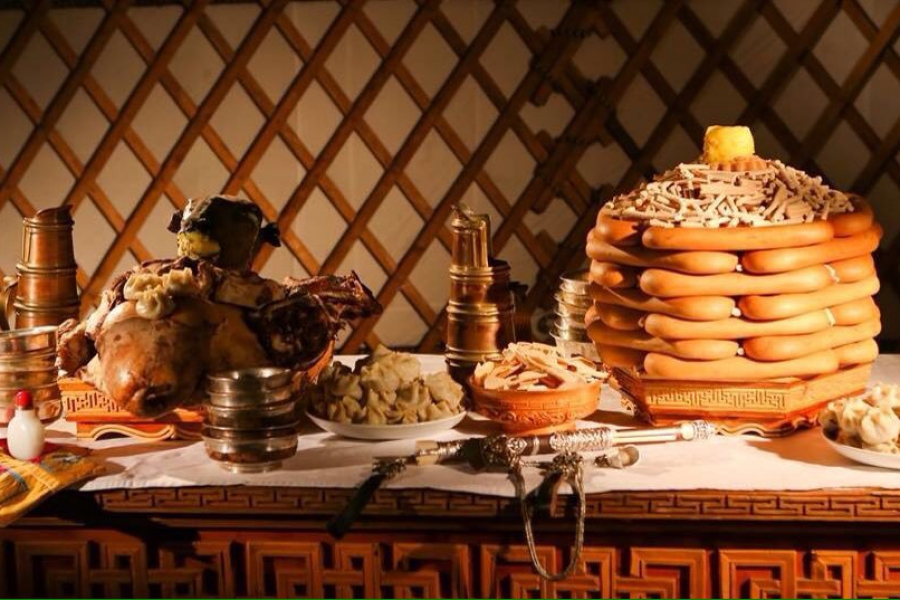
Today is Bituun, the eve of Tsagaan Sar, Mongolia’s Lunar New Year. The name Bituun means “hidden,” referring to the moonless, completely dark night. We will arrive at a nomadic family’s home and celebrate Bituun together. After sunset, the family will prepare a traditional festive table with idee, uuts, and other traditional dishes. We will share food and drinks with the family and experience traditional customs, storytelling, folk tales, and games played with ankle bones.
Day 10 - Feb 07 Lunar New Year
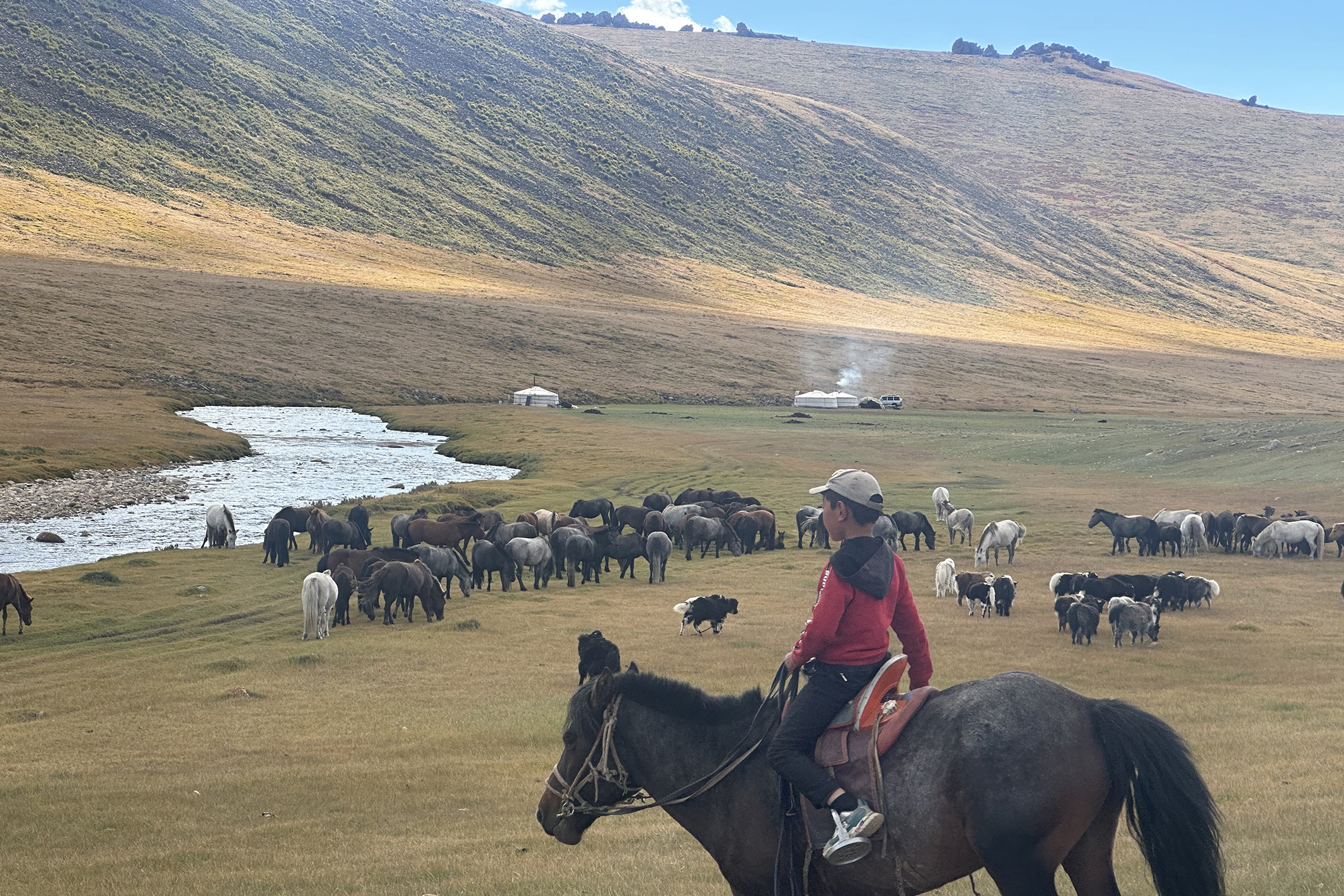
On the morning of Shiniin Negen, the first day of Tsagaan Sar, people wake up before sunrise and dress in traditional clothing. Men often visit nearby hills or sacred ovoos to greet the first sunrise, while women prepare traditional dishes such as milk tea, buuz, and tsagaalga. We will take part in Zolgolt, the traditional Tsagaan Sar greeting, by greeting the elders of the nomadic family. We will then visit neighboring nomadic families, exchange greetings, and experience the tradition of receiving small gifts during Tsagaan Sar.
Day 11 - Feb 08 Drive back to Ulaanbaatar
Today, we will drive back to Ulaanbaatar and arrive in the evening.

Tour Price

All price are per person per day

The difference between comfortable tour and budget tour relates primarily to the accommodation type. Within a budget tour all accommodation will be with a nomadic family in their Ger. While a comfortable tour includes accommodation at Ger camps which are similar to a 3-4 star hotel standard. Finally the Mid-Range tour mixes Comfortable and Budget, where you will stay some nights in the traditional Ger with a nomadic family and others in a Ger camp.
  • Driver + 4WD vehicle + Gas
  • English speaking tour guide/cook
  • Camel riding for an hour or longer regarding on guest’s request
  • Accommodation as mentioned in the itinerary
  • Drinking water
  • All meal (breakfast, lunch, dinner)
  • Accommodation in UB
  • Travel and medical insurance
  • Personal items
  • Tips for the driver and the guide
  • Alcohol and soft drinks
  • Festival Ticket