-
Day 1
24th February, Day 1 City tour- 70km
-
24th February, City tour- 70km
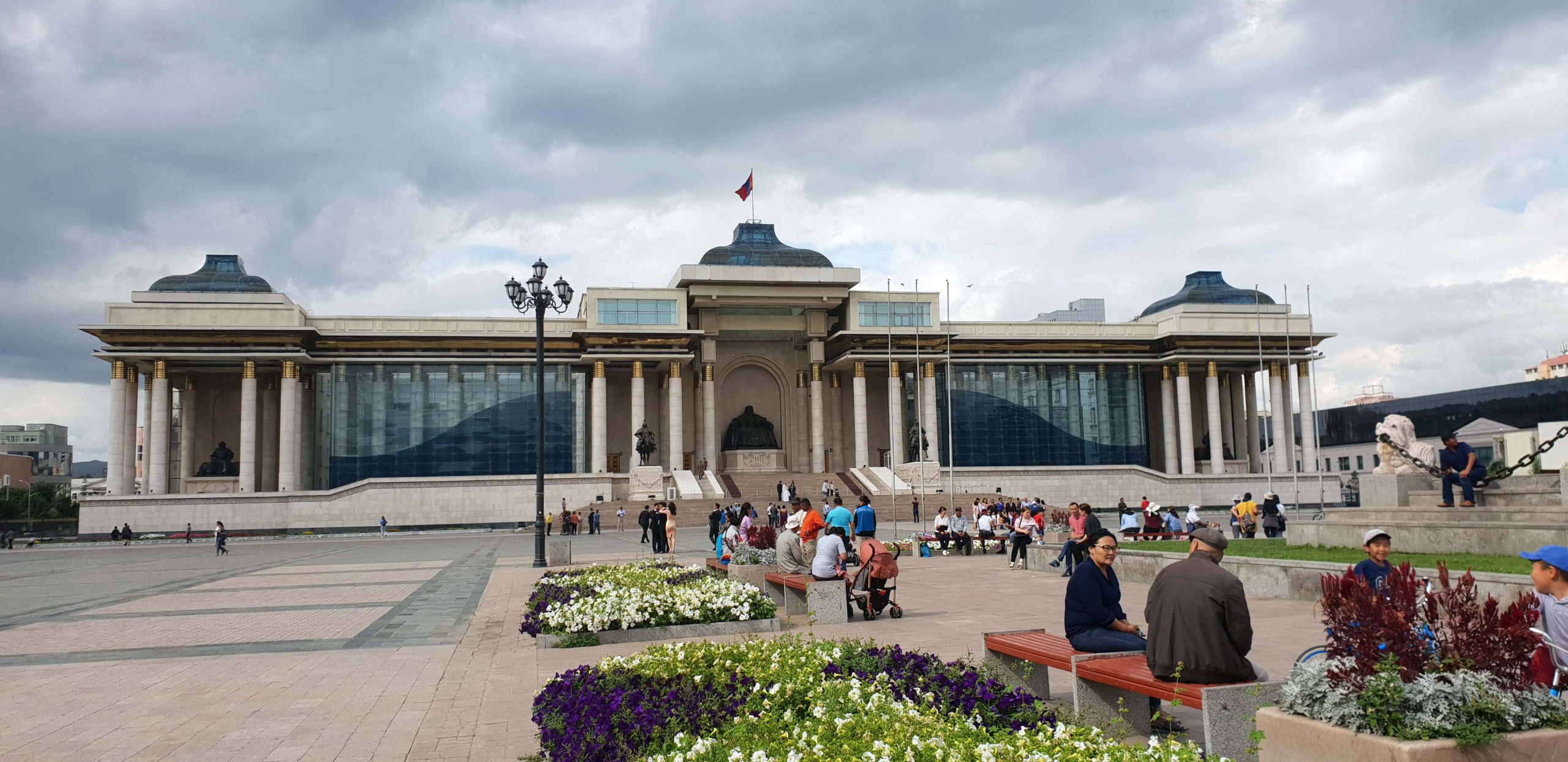
We will pick you up at the airport and drive to Ulaanbaatar for breakfast. After breakfast, we will visit Gandan Monastery, the main temple in Mongolia. Next, we will head to the National History Museum to explore Mongolia’s rich heritage. After the museum, we will have lunch.
Following lunch, you can either take a 3-hour rest at the hotel or visit the Bogd Khan Winter Palace, the former residence of Mongolia’s last king. Later, we will visit the Tsagaan Lavai Ensemble before
-
Day 2
25th February, Bulgan
-
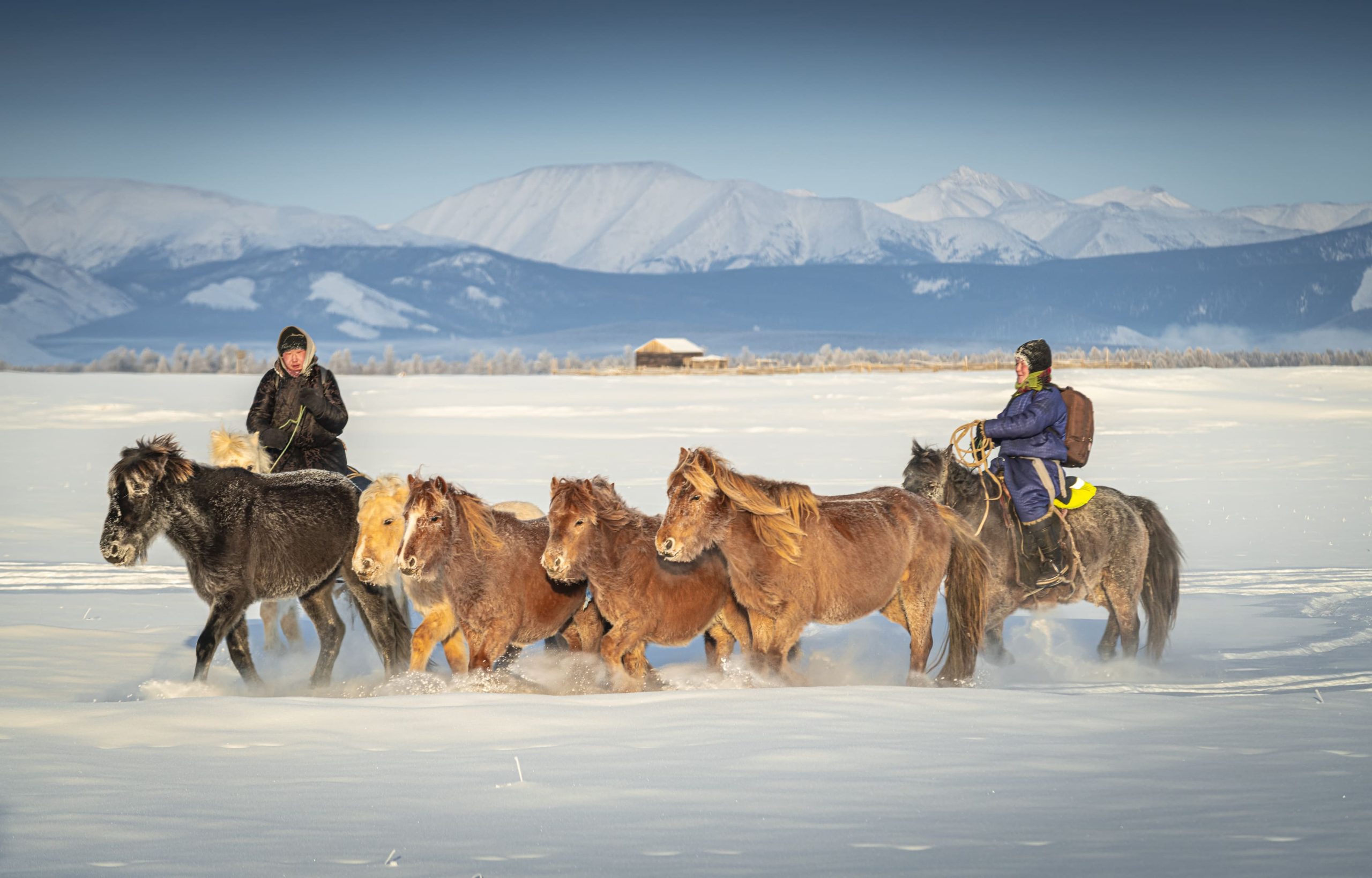
We will head north toward Northern Mongolia, enjoying the changing landscapes as we leave the central steppes behind and travel through rolling hills and small villages. Along the way, you will have the chance to see glimpses of rural life and the vast, open scenery that Mongolia is famous for. We will spend the night in Bulgan Province, where you can relax and rest after a full day on the road. This day is primarily dedicated to driving, allowing us to cover the distance while soaking in the country’s unique scenery and preparing for the adventures that lie ahead.
-
Day 3
26th February, Murun Province
-
We will drive to Murun, the capital of Khuvsgul Province, traveling through Northern Mongolia’s beautiful and varied landscapes. As we move farther north, you will see rolling hills, rivers, and small villages, offering a glimpse into rural Mongolian life. This day is mostly dedicated to driving, but the journey itself is a chance to enjoy the peaceful scenery and watch the landscape gradually change from steppe to forested highlands. Upon arrival in Murun, you will have time to rest and prepare for the adventures awaiting in the stunning Khuvsgul Lake region.
-
Day 4
27th February, Reindeer herders family. This day is mostly driving
-
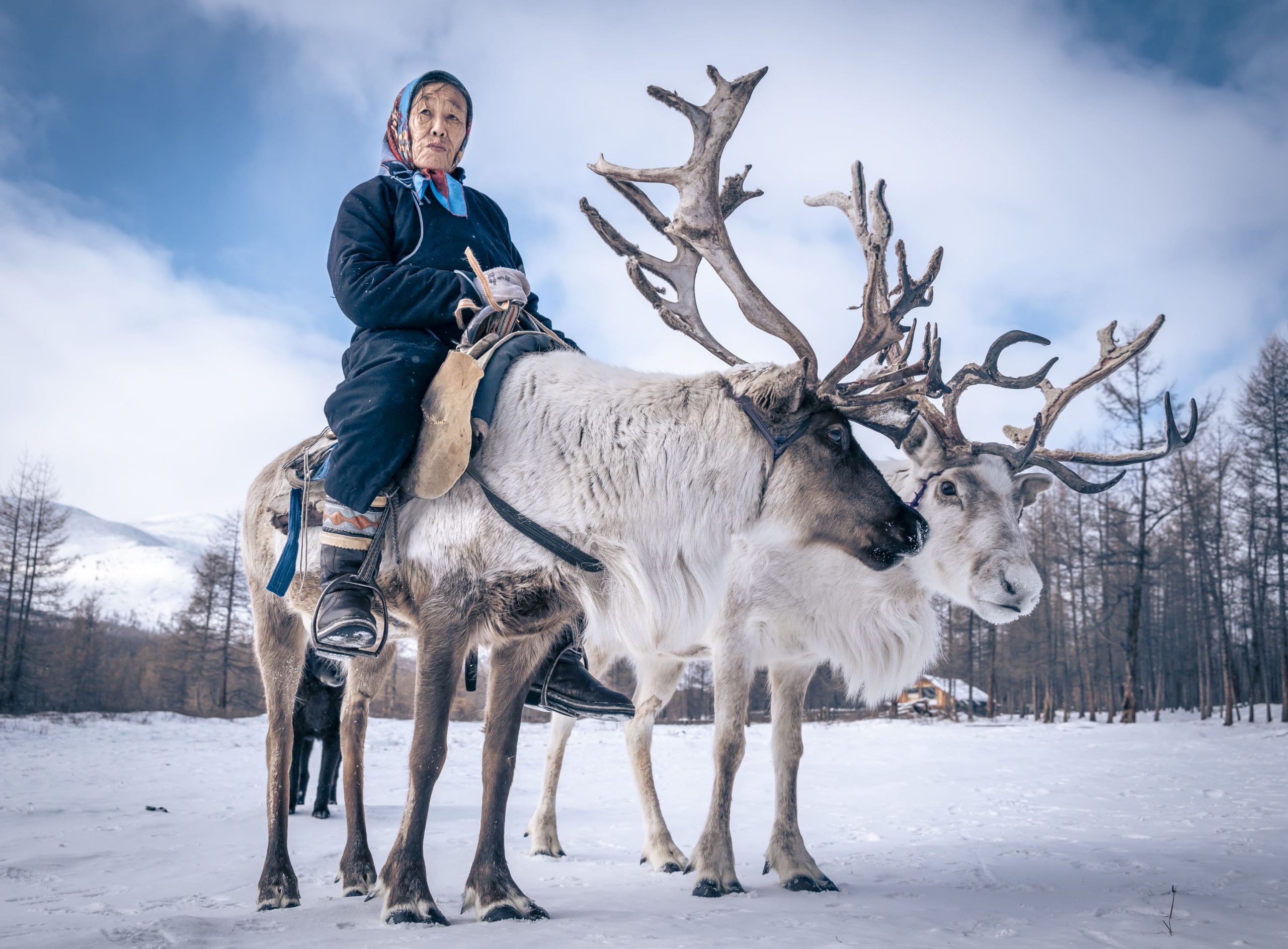
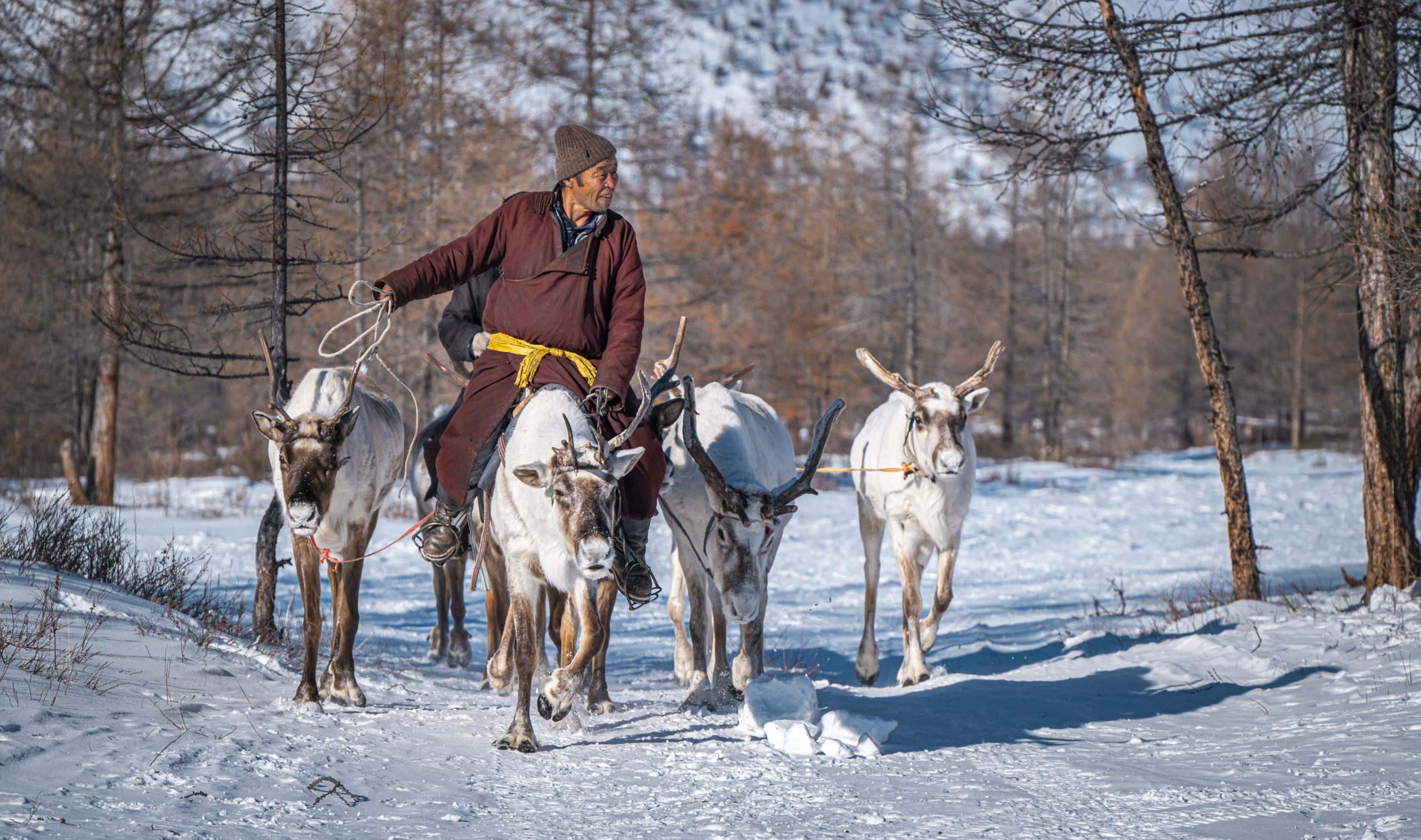
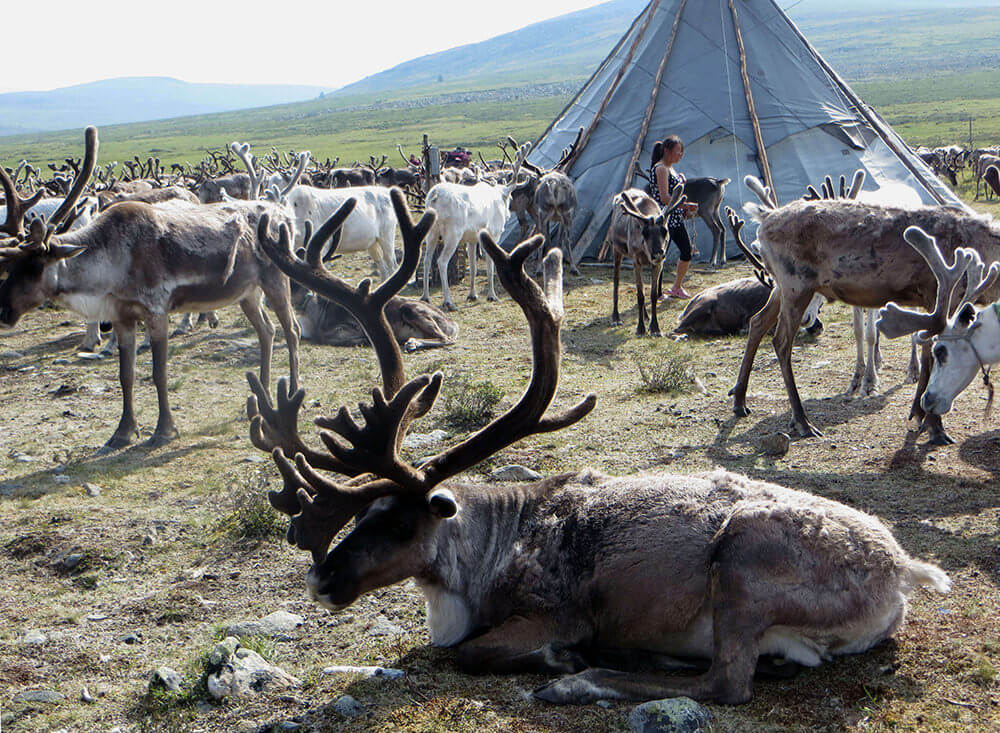
We will drive to Tsagaannuur, where we will meet the reindeer herders of northern Khuvsgul Aimag. The reindeer herders of Mongolia, known as the Tsaatan, Tsachin, or Dukha, are a small and resilient community dedicated to preserving their traditional way of life and culture despite many challenges. The Reindeer People are divided into two main groups: the Western Taiga and the Eastern Taiga. Both groups are most easily reached from the town of Tsagaannuur
-
Day 5
28th February, Reindeer herders.
-
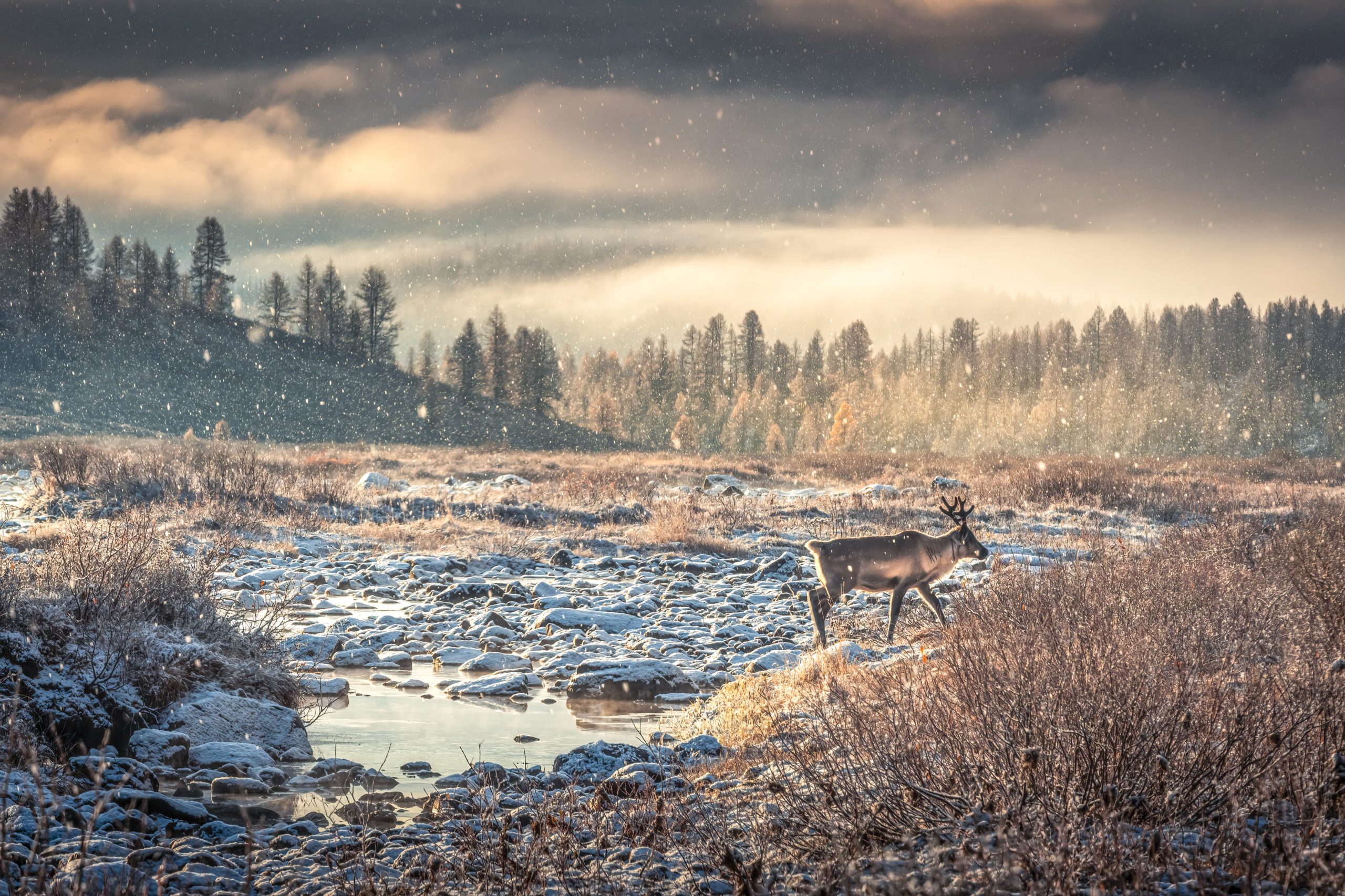
We will stay with a local Tsaatan family and experience their unique lifestyle firsthand. Unlike most Mongolian nomadic families who herd livestock such as sheep, goats, or horses, the Tsaatan people rely on reindeer herding as the cornerstone of their daily life and culture. During our stay, we will observe how they care for their reindeer, prepare traditional meals, and maintain their homes in harmony with the harsh northern environment. This immersive experience offers a rare opportunity to learn about their customs, traditions, and deep connection to the taiga forests. Spending time with the family also allows for personal interaction, sharing stories, and understanding the resilience and resourcefulness required to live in such a remote and challenging region.
-
Day 6
1st March, Khuvsgul lake.
-
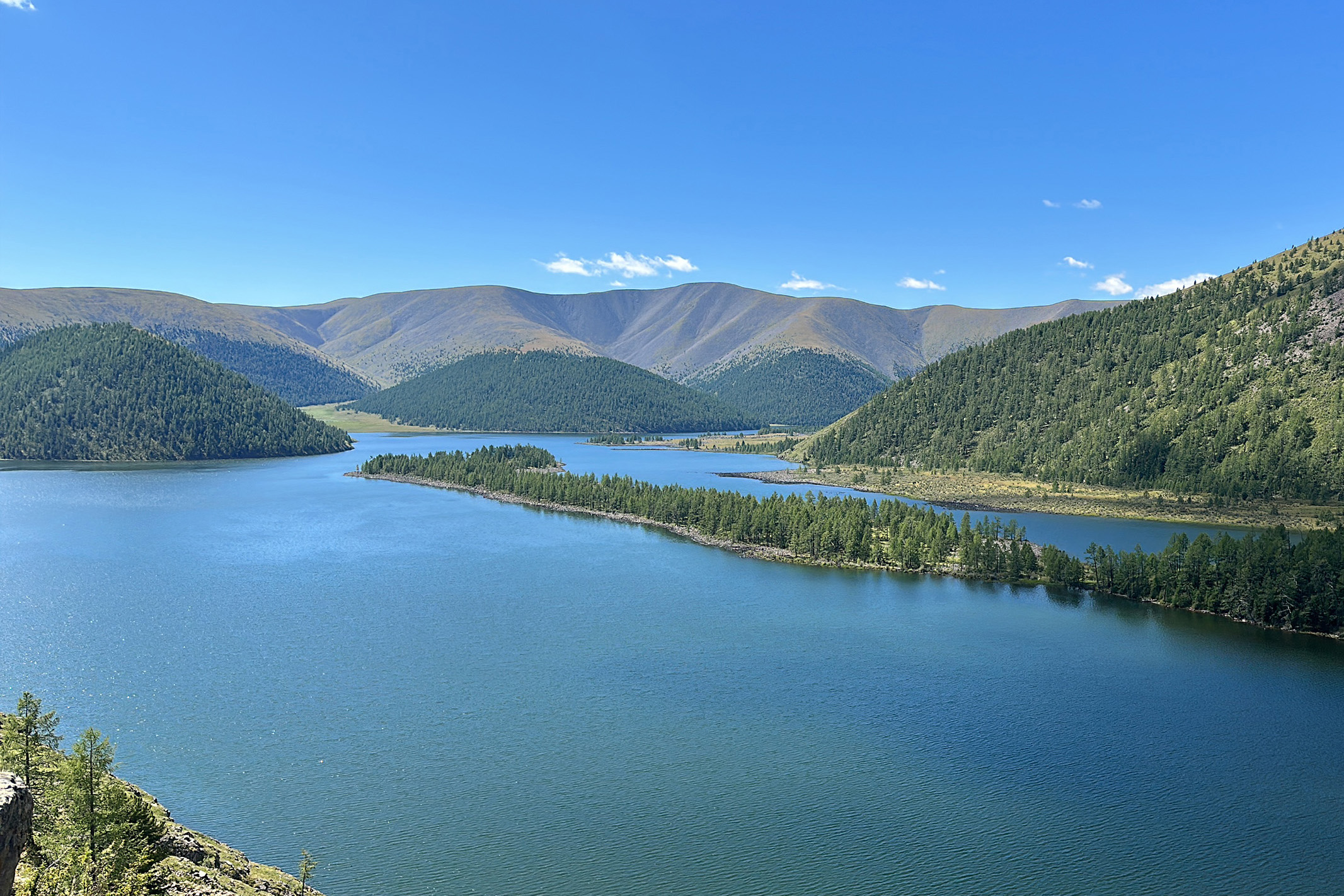
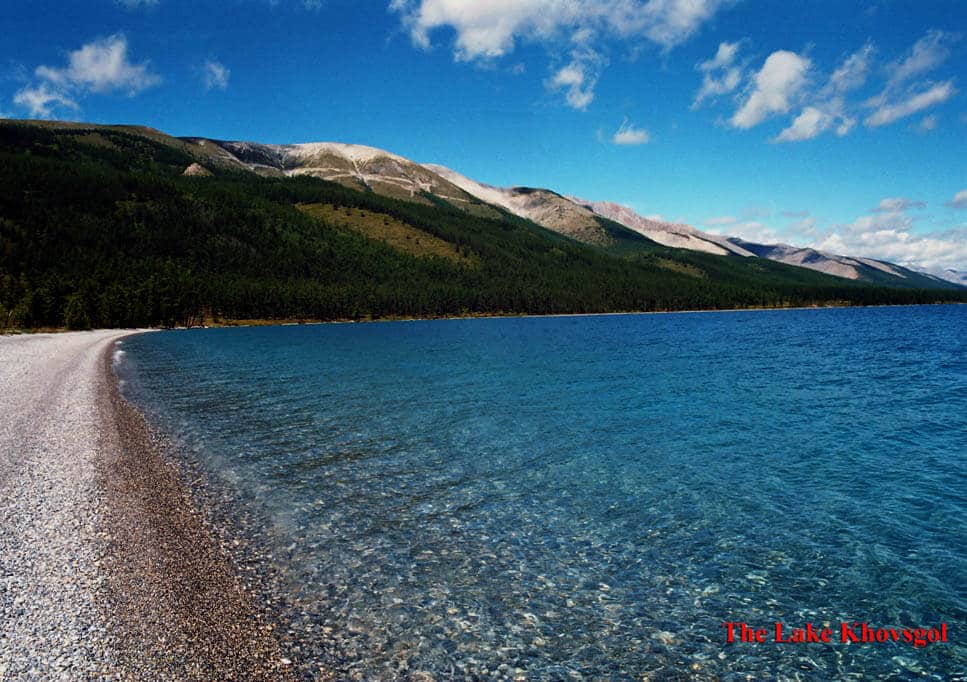
We will drive to Lake Khuvsgul, one of Mongolia’s largest and most spectacular protected areas. With a volume of 380 cubic kilometers, Lake Khuvsgul is the fourteenth largest freshwater lake in the world and the second largest in Central Asia by volume, containing over 1% of the world’s fresh water. The lake reaches a maximum depth of 262 meters. Ninety-six rivers and streams flow into the lake, but only the Egiin River flows out, traveling southeast until it joins the Selenge River, which passes through one of Mongolia’s most densely populated regions before reaching Lake Baikal.
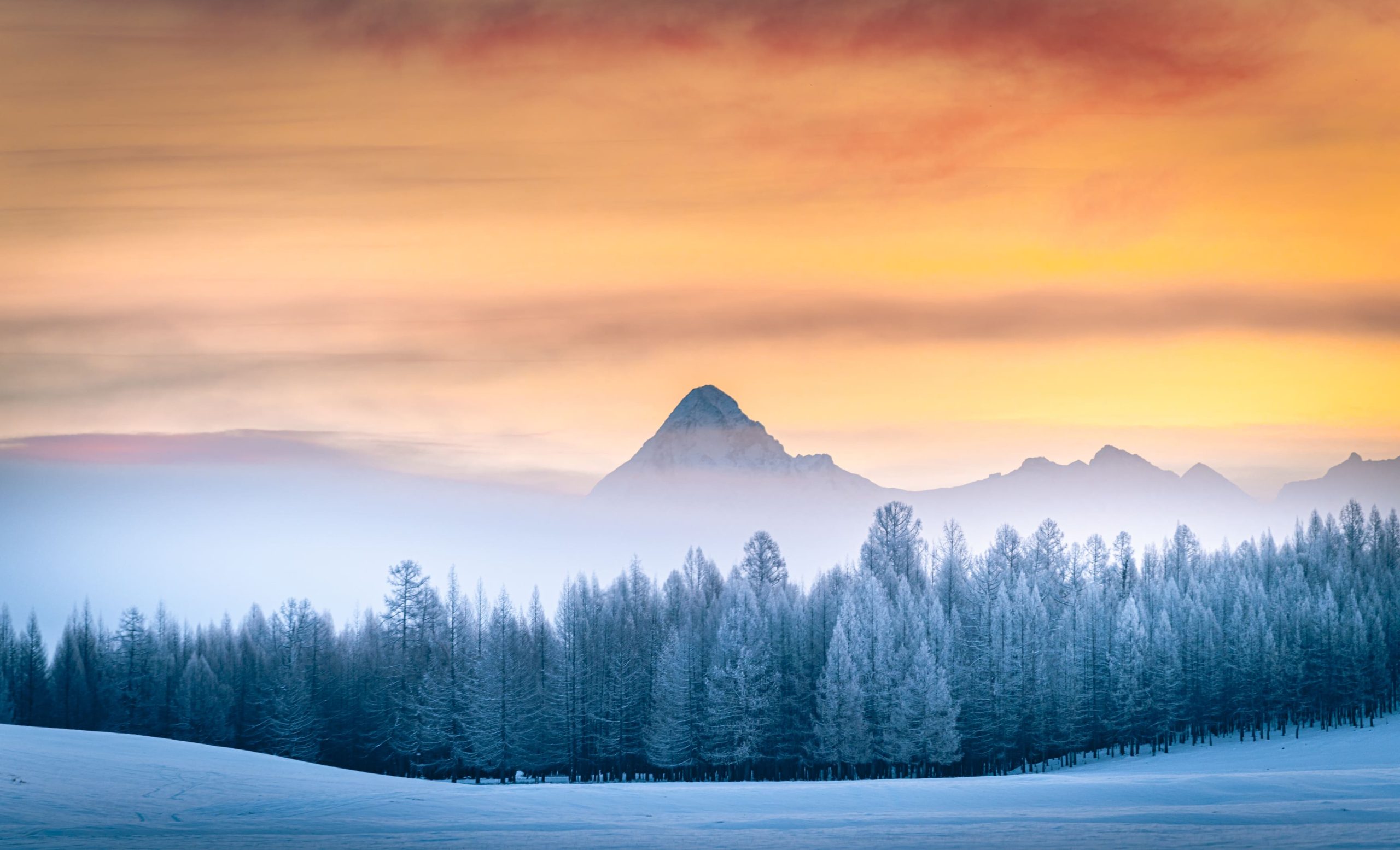
Situated at an elevation of 1,645 meters above sea level, Lake Khuvsgul is known as the “Blue Pearl of Mongolia.” The lake is generally frozen from January to April or May, creating a stunning winter landscape. Its pristine waters, surrounded by mountains and dense forests, make it a breathtaking destination for nature lovers and travelers seeking both adventure and tranquility.
-
Day 7
2nd March, Ice Festival :
-
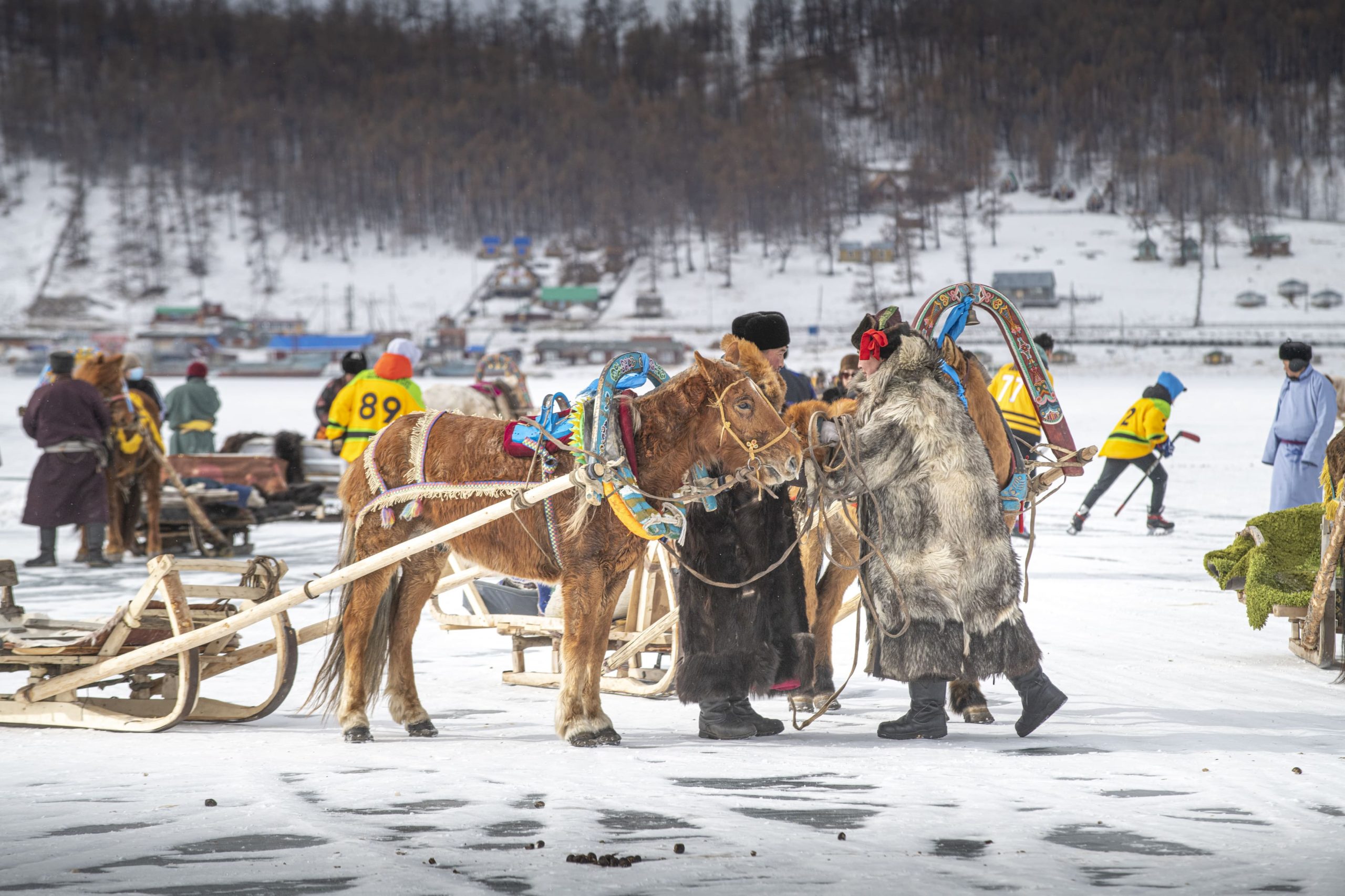
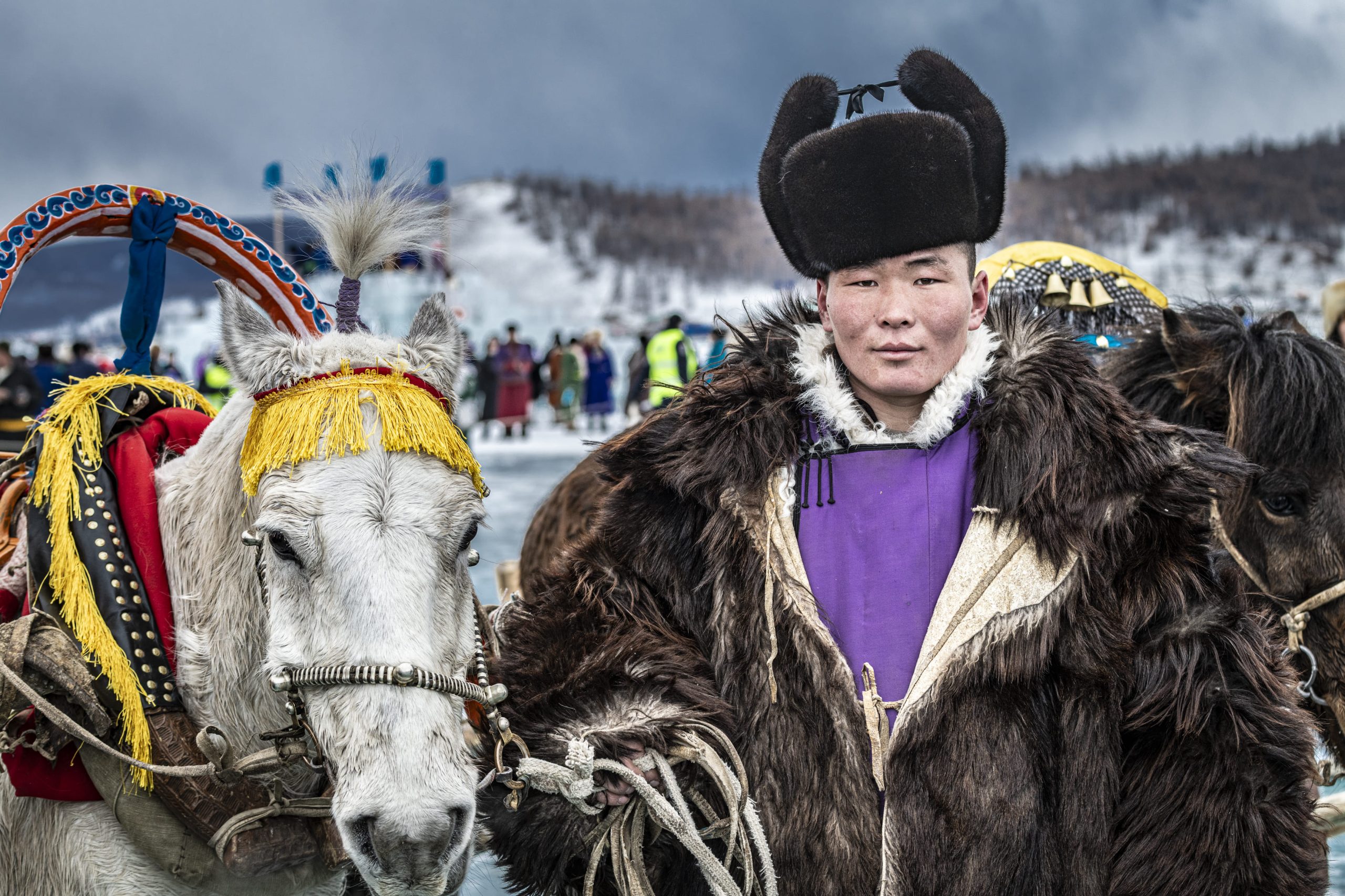
After breakfast, we will attend the Ice Festival, which begins with lively cultural performances and a parade of dog sleds, horse sleds, and ice skaters. At the festival, we will admire beautifully carved ice sculptures and watch a variety of traditional and sporting competitions, including the ice bike challenge, ice shooting contest, horse sled races, and a competition for the best traditional attire. There will also be a Mongolian winter clothing show and a contest of ice sculptures.
In the evening, we will enjoy a bonfire festival and witness a shamanic ceremony, providing a fascinating insight into Mongolia’s spiritual traditions and winter celebrations.
-
Day 8
3rd March, Ice festival
-
3rd March, Day 8 Ice festival
Ice festival Second day: Throughout the day, there will be music, dance, and cultural performances showcasing Mongolia’s rich traditions. You will have the opportunity to interact with locals, learn about winter customs, and fully immerse yourself in the festive atmosphere.
-
Day 9
4th March, Bulgan
-
We will head back to Bulgan Province, enjoying the changing landscapes as we leave the central steppes behind and travel through rolling hills and small villages. Along the way, you will have the chance to catch glimpses of rural life and the vast, open scenery that Mongolia is famous for. We will spend the night in Bulgan Province, where you can relax and rest after a full day on the road.
-
Day 10
5th March, Khugnu Khan and Elsen Tasarkhai.
-
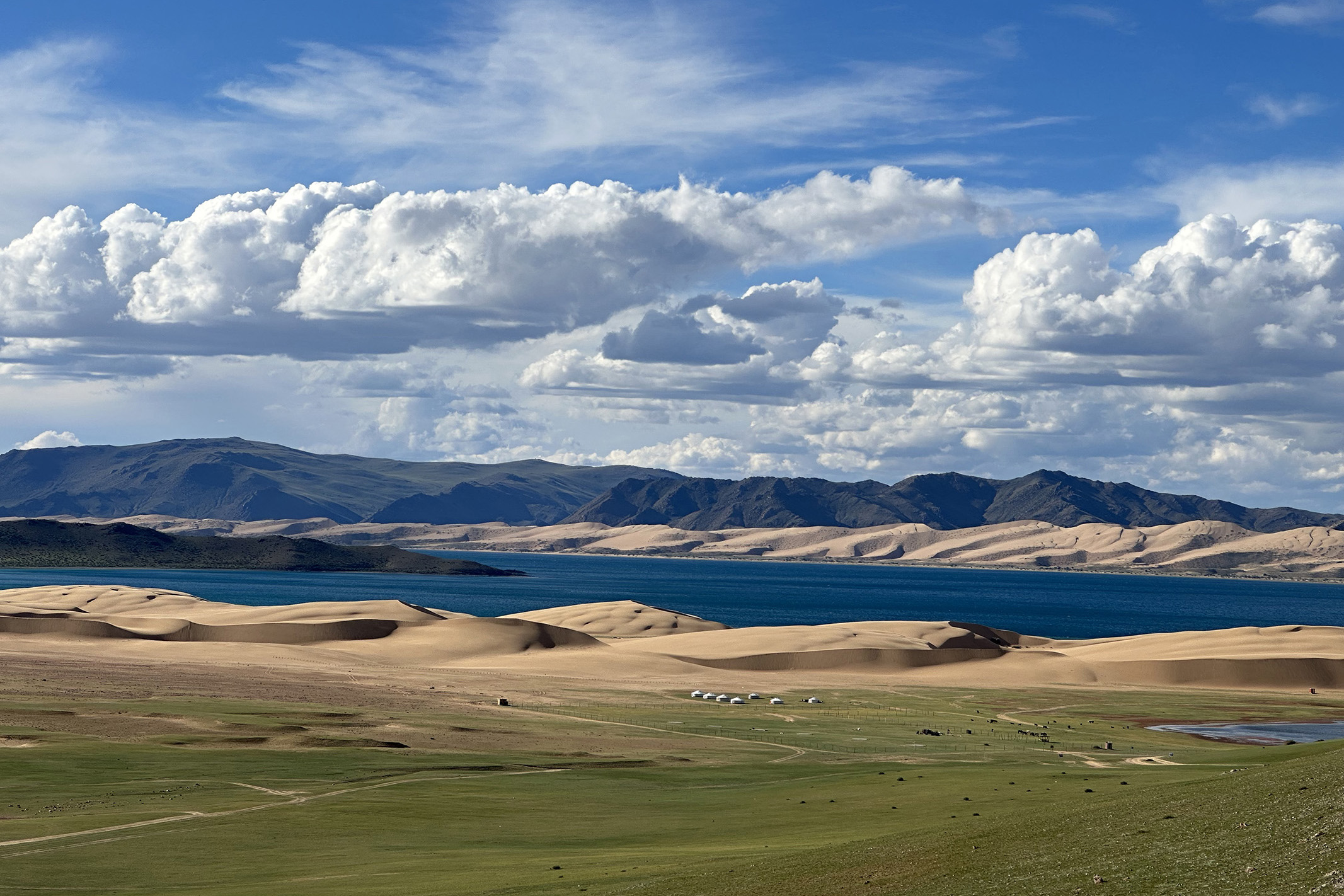
We will drive to Khogno Khan Nature Reserve, a region home to hundreds of birds, deer, and gazelles. You will have the opportunity to hike around the area or take a camel ride for a couple of hours to explore the nearby small sand dunes, known as Elsen Tasarkhai. In the evening, we will spend the night in a nomadic family’s ger, experiencing traditional Mongolian nomadic life firsthand.
-
Day 11
6th March, Hustai National Park and Ulaanbaatar.
-
We will drive to Khustai National Park, located on the north side of the Tuul River, about a two-hour drive west of Ulaanbaatar. Although situated in the central grasslands, Khustai means “with birch,” as birch trees and aspen groves are plentiful in the area. The terrain is hilly, with the Tuul River forming the southern boundary. The national park was originally established in 1993 as a nature reserve for the first reintroduction of the Przewalski’s Horse (Equus przewalskii) into Mongolia. Today, the park is managed by the Khustai Trust, primarily funded by tourism. After exploring the park, we will drive back to Ulaanbaatar.
-
Day 12
7th March, Eagle hunter festival near by the Ulaanbaatar.
-
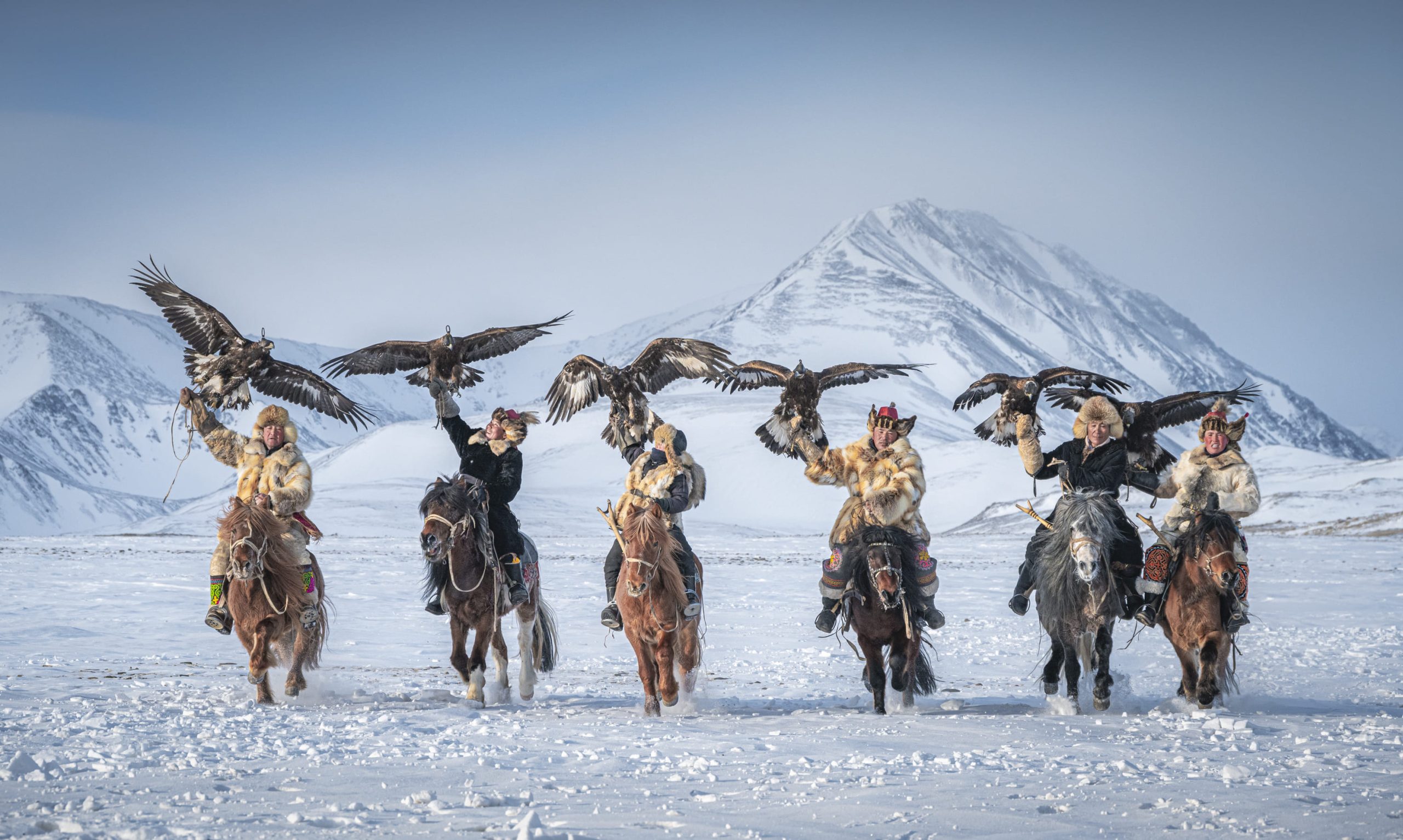
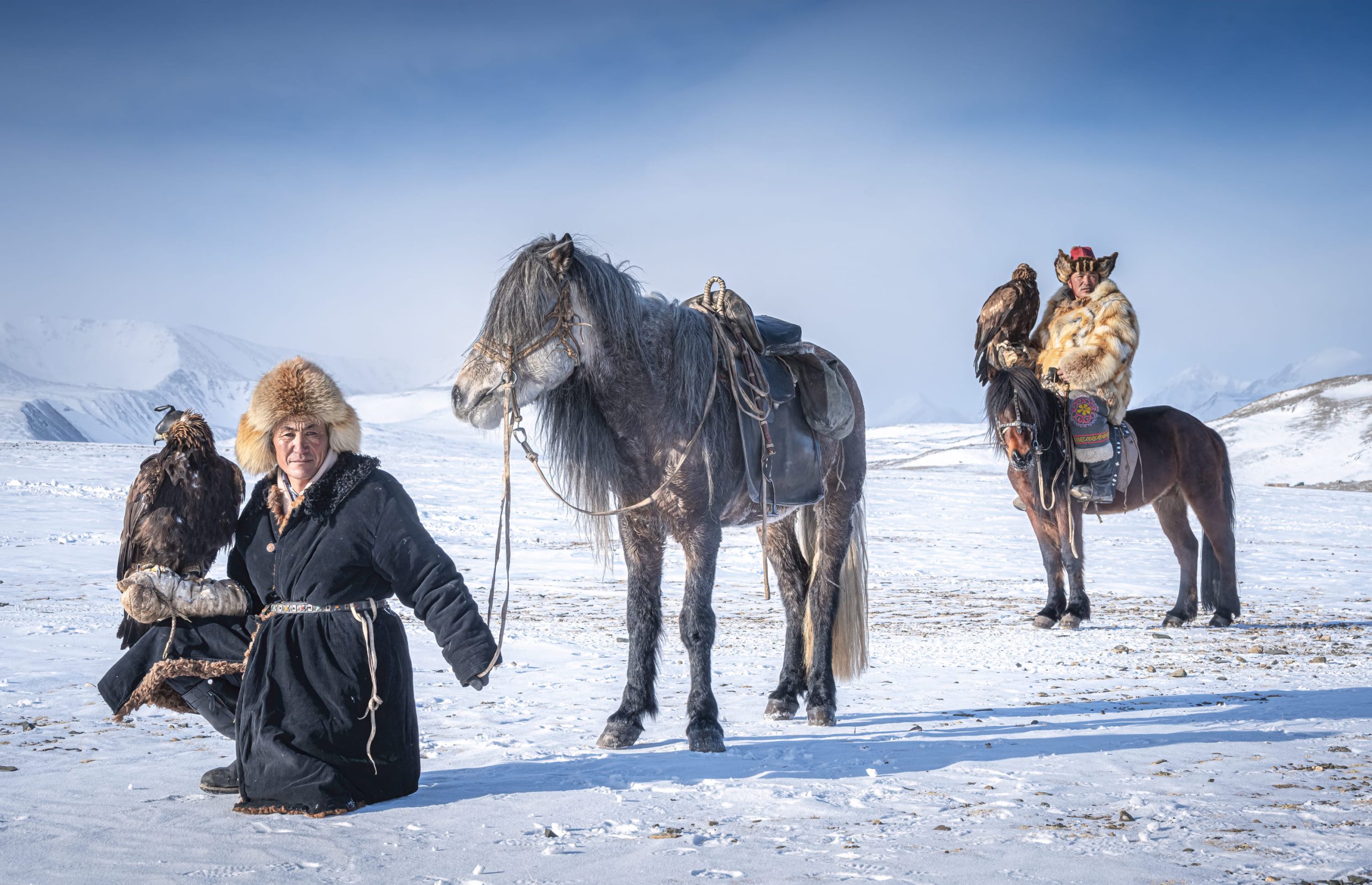
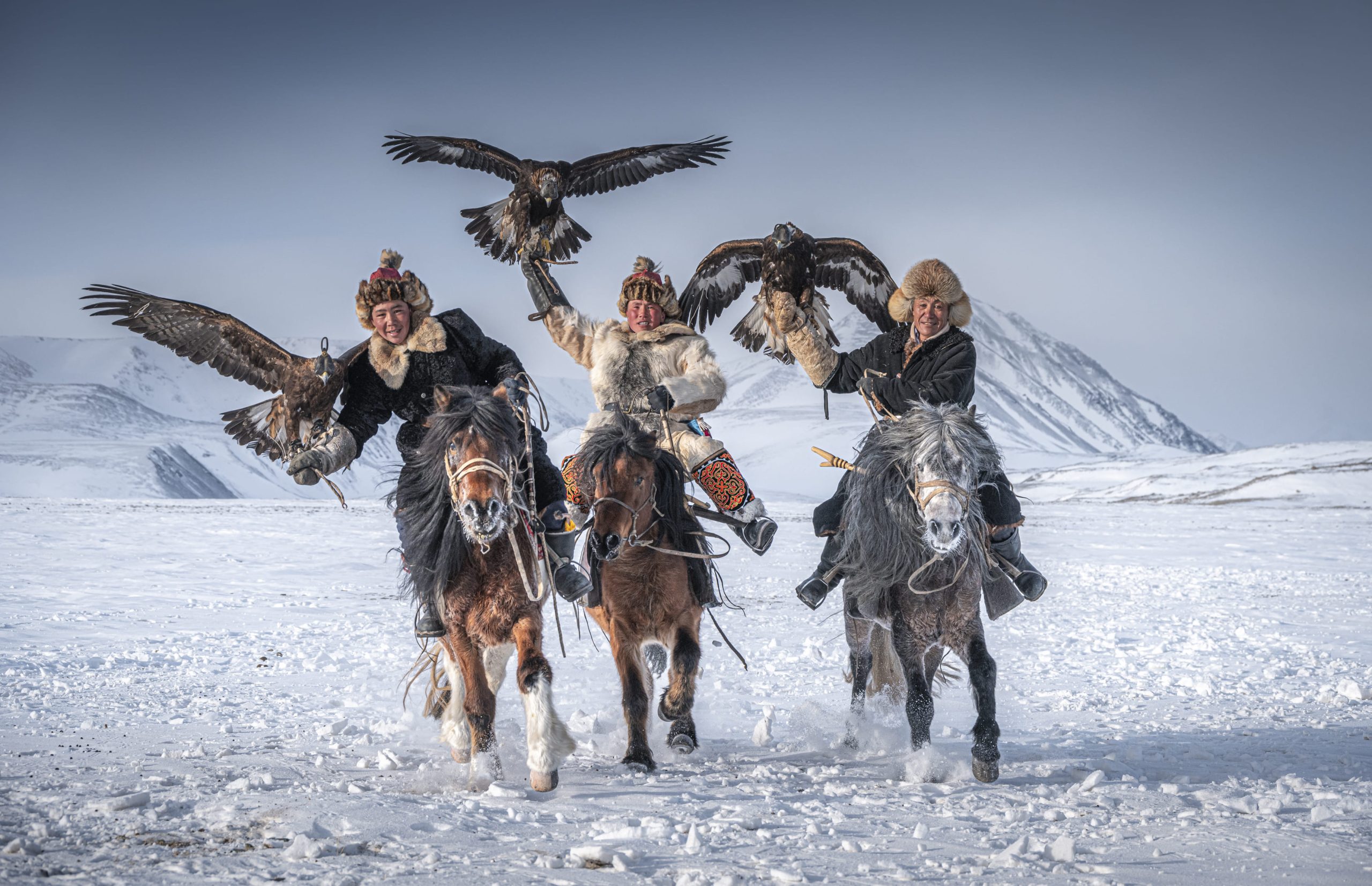
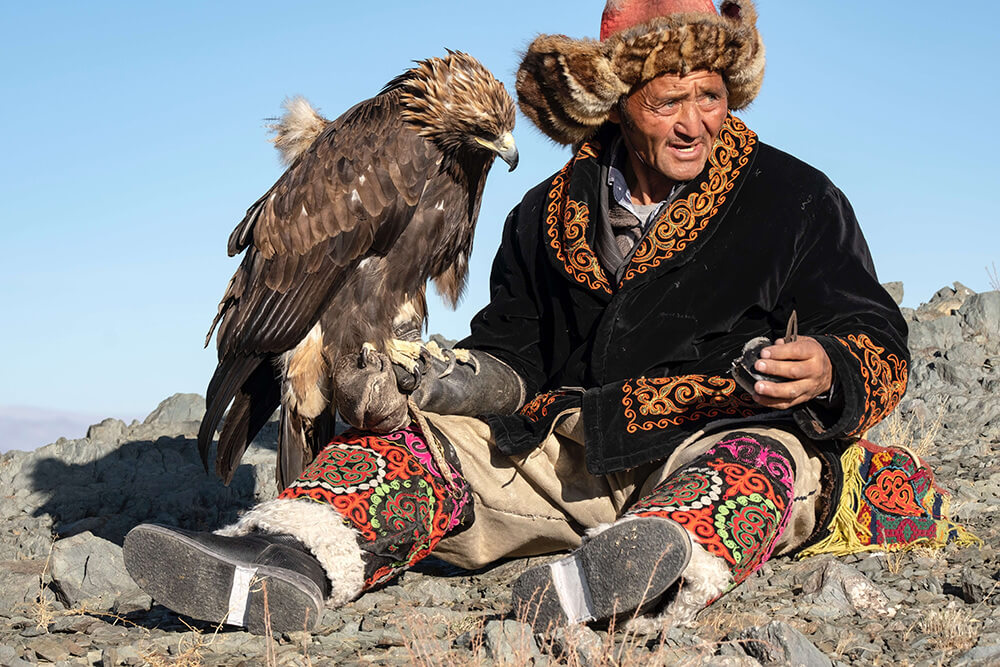
After breakfast, we will head to the festival grounds to witness the start of the Eagle Hunter Festival. The day begins with cultural performances, including traditional music, dancing, and a parade of eagle hunters in their colorful, fur-lined attire. You will see golden eagles in action as they demonstrate their hunting skills, flying over open fields and returning to their handlers with remarkable precision.
Throughout the day, there are a variety of competitions, such as:
Eagle hunting demonstrations
Horseback riding and traditional racing events
Contests for best traditional costumes
-
Day 13
8th March Second day Eagle Hunter Festival: Shows & Closing Ceremony
-
After breakfast, we will return to the festival grounds for the second day of the festival, featuring more competitions and demonstrations. Highlights of the day include:
Advanced eagle hunting challenges showing the hunters’ skills with their eagles
Horse races and sled competitions across the open steppe
Traditional Kazakh music and dance performances
Opportunities to photograph the eagles and hunters in action
In the afternoon, the festival concludes with the closing ceremony, celebrating the participants and awarding winners of the competitions. This is also a great time to purchase local handicrafts, meet the eagle hunters personally, and learn more about their unique culture.
In the evening, we will return to our accommodation, reflecting on the extraordinary experiences and memories of the festival.
-
Day 14
9th March, Back to Home